North Carolina Confirms Ninth HPAI Case; Backyard Flock Affected
The North Carolina Department of Agriculture and Consumer Services confirmed a ninth case of Highly Pathogenic Avian Influenza (HPAI) on Jan. 6, 2026, after a positive sample from a backyard flock in Franklin County. The Centers for Disease Control and Prevention considers the strain low risk to people, but the virus remains highly contagious among birds and poses a threat to backyard and commercial poultry across the region.
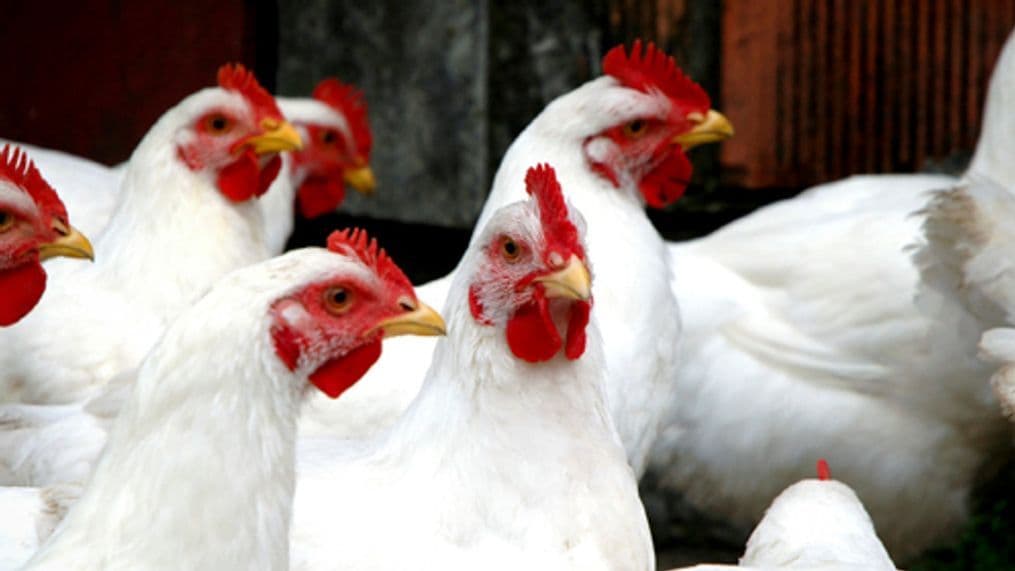
State animal health officials verified on Jan. 6, 2026, that a sample taken from a backyard flock in Franklin County tested positive for Highly Pathogenic Avian Influenza, marking North Carolina’s ninth confirmed HPAI case since October 2025. The North Carolina Department of Agriculture and Consumer Services (NCDA&CS) said the finding underscores continued risk to poultry even as federal health officials assess the virus as low risk to people.
HPAI spreads readily among birds and can inflict rapid losses in backyard and commercial operations. NCDA&CS urged poultry owners to adopt strict biosecurity practices and to report any unusual or sudden deaths in flocks immediately to a veterinarian or to the agency for investigation.
Common signs of HPAI in birds include reduced energy or appetite, a drop in egg production, swelling or discoloration of the comb and wattles, respiratory distress, tremors or circling behavior, and greenish diarrhea. Because clinical signs can mimic other diseases, NCDA&CS pointed to necropsy testing and laboratory confirmation as essential steps to determine whether HPAI is present in a flock. The NC Veterinary Diagnostic Laboratory Service is the recommended facility for necropsy testing and confirmation of suspect cases.
For Alamance County residents who keep backyard poultry or operate small-scale farms, the state’s confirmation in a neighboring county serves as a reminder to tighten safeguards. Poultry owners should monitor birds daily for the signs listed by state officials and restrict unnecessary access to coops and barns. Prompt reporting enables faster testing, containment, and guidance from animal health professionals, which can limit spread to neighboring flocks and reduce economic impacts for local producers.
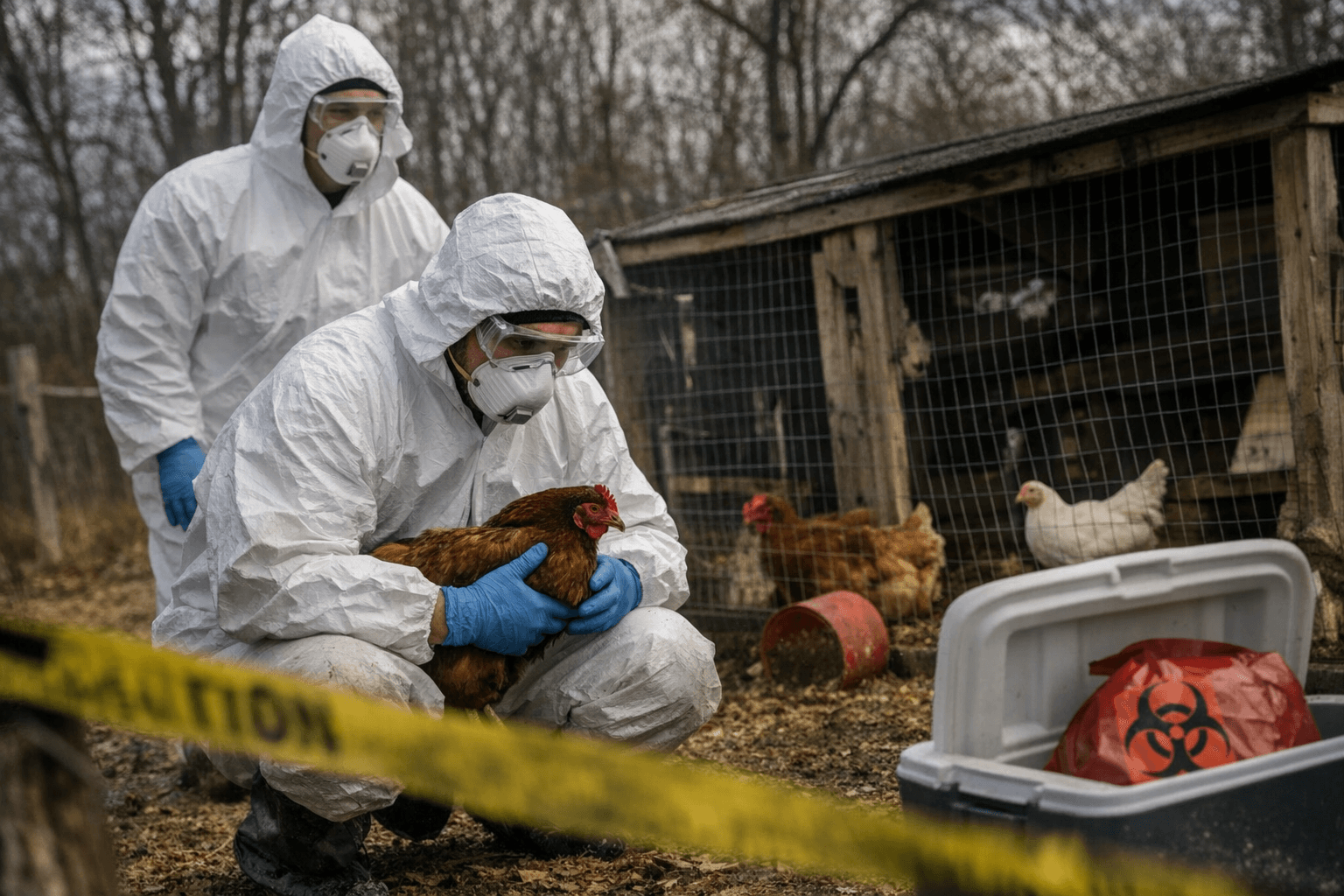
Commercial producers should remain vigilant and coordinate with NCDA&CS for flock health monitoring, movement controls, and any required response measures. State officials emphasized that early detection through reporting and diagnostic testing is central to controlling outbreaks and protecting both hobby flocks and the poultry industry.
Residents who observe sudden or unexplained deaths in poultry should contact a veterinarian or NCDA&CS to arrange testing and guidance. Confirmed HPAI cases in the state will continue to be monitored as animal health authorities work to contain the virus and advise poultry owners on prevention and response.
Sources:
Know something we missed? Have a correction or additional information?
Submit a Tip