Norway Pledges $145 Million To Rebuild Ukraine Energy Infrastructure
Norway announced a multimillion dollar commitment of roughly $140 to $150 million to repair and harden Ukraine’s energy system after sustained attacks on power facilities. The funding is intended to keep homes and hospitals powered this winter and to dovetail with wider international efforts to strengthen Ukraine’s resilience amid ongoing hostilities.
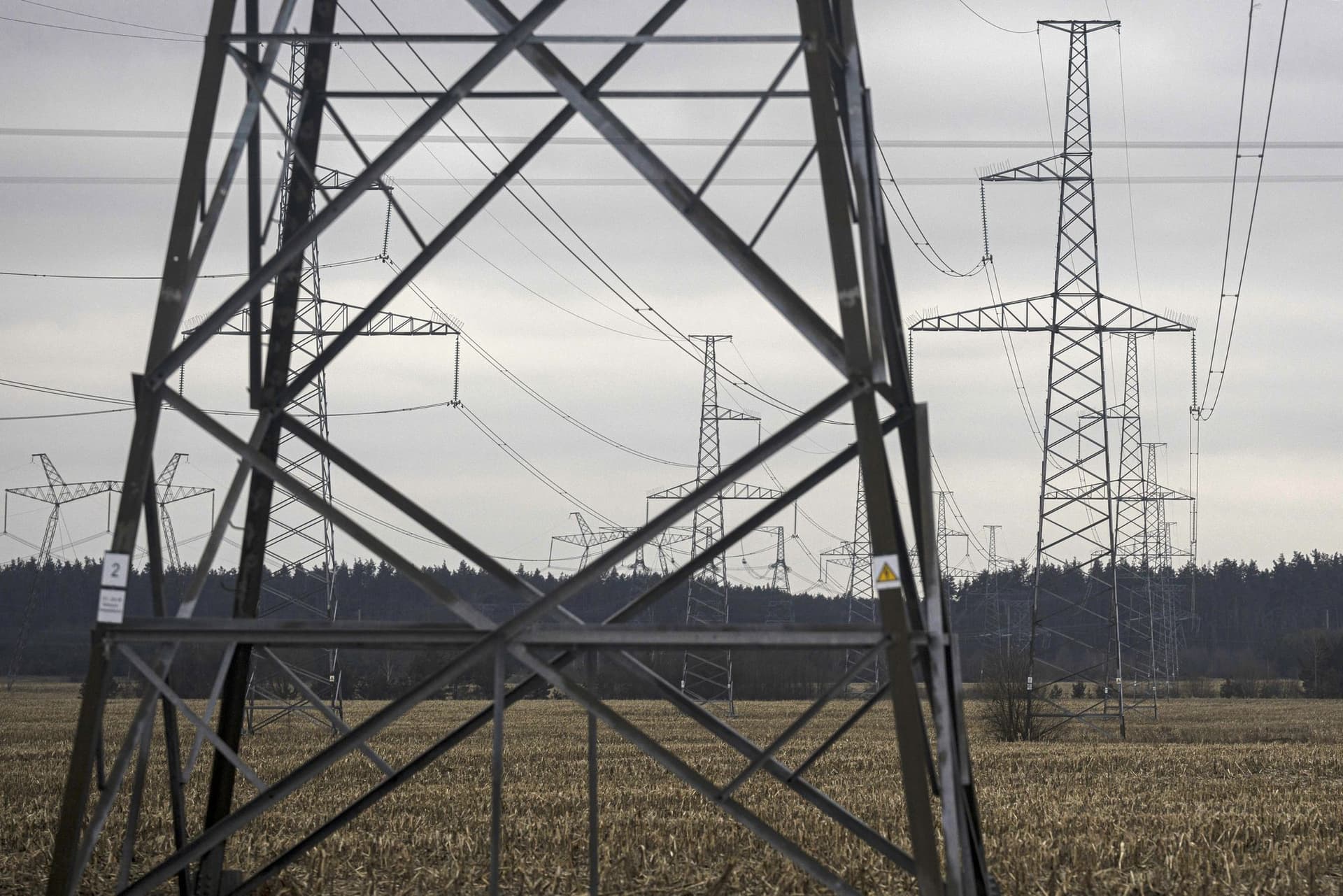
On December 6, 2025, Norway pledged roughly $140 to $150 million to help rebuild and reinforce Ukraine’s energy infrastructure, officials said, framing the contribution as part of sustained international support to protect civilians and critical services from repeated missile and drone strikes.
The Norwegian package prioritizes a set of urgent measures, including repairs to damaged transmission and distribution networks, shipments of fuel to maintain heating and hospital operations, and deployment of backup generation to stabilize supply in the coming months. The announcement came as Ukraine braces for winter when demand peaks and attacks on energy targets have repeatedly left communities and medical facilities without power.
Norway’s move joins a chorus of Western states that have increased material support for Ukrainian civilian infrastructure as the conflict continues. The contribution underscores a strategic intent that goes beyond immediate humanitarian relief, seeking to preserve essential services, reduce secondary civilian harm, and sustain Ukraine’s social and economic resilience while hostilities persist.
Donor activity around energy reconstruction raises complex logistical and legal questions. Repairs in contested or recently liberated territory pose security risks for engineers and supply convoys. Deliveries of fuel and equipment must navigate restricted airspace and damaged transport corridors, stretching coordination between militaries, civilian authorities, and international organizations. Norway’s experience as a major energy producer and as a NATO member may shape its assistance toward technical and logistical support as much as financial transfers.
International law considerations were central to discussions among diplomats and legal advisers. Attacks on civilian infrastructure engage rules of international humanitarian law that seek to protect noncombatants and medical services. The damage to power networks has amplified calls for clearer protection of civilian energy systems in armed conflict and for donor programs that prioritize life saving functionality alongside longer term reconstruction.
For Kyiv, the Norwegian pledge helps meet immediate needs but also highlights the scale of reconstruction that will be required if damage continues. Restoring networks is not purely a matter of rebuilding what was lost. Authorities in Ukraine will need to balance rapid repairs with measures to improve resilience, such as decentralizing generation, hardening sub stations, and improving maintenance capacity. Donors will face choices about supporting emergency fixes, investing in durable resilience, or accelerating a transition to cleaner and more distributed energy sources.
Regionally, Norway’s contribution has symbolic as well as practical weight. It signals continued Western willingness to absorb the political cost of assisting Ukraine’s civilian sector while also testing mechanisms for delivering aid under wartime conditions. As winter deepens, the effectiveness of these measures will be judged not only by megawatts restored but by their ability to keep people warm and hospitals operating, and by how well international partners coordinate to protect civilians and uphold legal norms in the midst of conflict.