Oak Harbor murder trial delayed; charges upgraded to first-degree
A trial in the 2014 killing of Oak Harbor resident Adam Garcia was pushed from Feb. 9 to March 8. The hearing matters to residents because it advances a long-awaited prosecution and may shape local conversations on safety and justice.
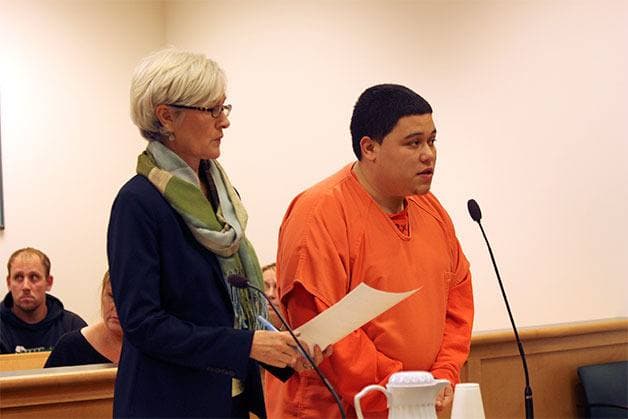
A scheduled trial in the 2014 shooting death of Oak Harbor resident Adam Garcia was delayed by a month after defense counsel requested a continuance, moving the start from Feb. 9 to March 8. The defendant, 25-year-old Christopher Malaga, remains held on $1 million bail.
Malaga was initially charged with a single count of second-degree murder. Prosecutors amended the case to include first-degree murder with second-degree murder as an alternative, and added a count of second-degree assault. Each of the amended charges carries a firearms enhancement. Malaga entered a not guilty plea; his defense is a general denial and will not rely on self-defense or claims of insanity or diminished capacity. If convicted on the charges as filed, Malaga faces a standard sentencing range that could reach up to 37 years.
The change in charges signals prosecutors are pursuing a theory that could allege a higher level of intent or premeditation. The addition of a firearms enhancement typically increases potential penalties if the court or jury finds the enhancement proved. Those legal technicalities will shape evidence strategies and pretrial motions in the weeks before the March trial date.
For Oak Harbor and the broader Island County community, the case represents both a long arc of unresolved loss and a reminder of how protracted legal timelines can be. The shooting occurred in 2014, and the matter reaching trial in 2026 marks 12 years since Garcia’s death. That gap has left family members and neighbors waiting for movement toward accountability and may influence how residents view local criminal justice processes.

Practically, the delay means additional time before a jury is empaneled and testimony begins, and it preserves the current bail status. Local court calendars and resources will continue to accommodate pretrial filings, and the case is likely to command attention in the county given the seriousness of the amended charges and the potential sentencing exposure.
How the court resolves evidentiary questions and the jury’s assessment of intent will determine both the legal outcome and the community impact. For residents, the trial’s March 8 start offers a clearer timeline for when those answers may begin to emerge, and the case will remain a focal point for discussions about public safety, accountability, and closure in Oak Harbor.
Sources:
Know something we missed? Have a correction or additional information?
Submit a Tip

