Organisers Defend Milan Arena Size as Safety Concerns Rise
Organisers of the Milano Cortina 2026 Winter Olympics and the International Ice Hockey Federation defended the dimensions of the new Santagiulia Arena after reports suggested the rink is slightly shorter than the NHL standard, saying the surface conforms to IIHF guidelines and mirrors the Beijing 2022 layout. The exchange highlights mounting pressure on organisers to reconcile international standards, athlete safety, and logistical readiness with a venue that was delayed and faces critical test events in January.
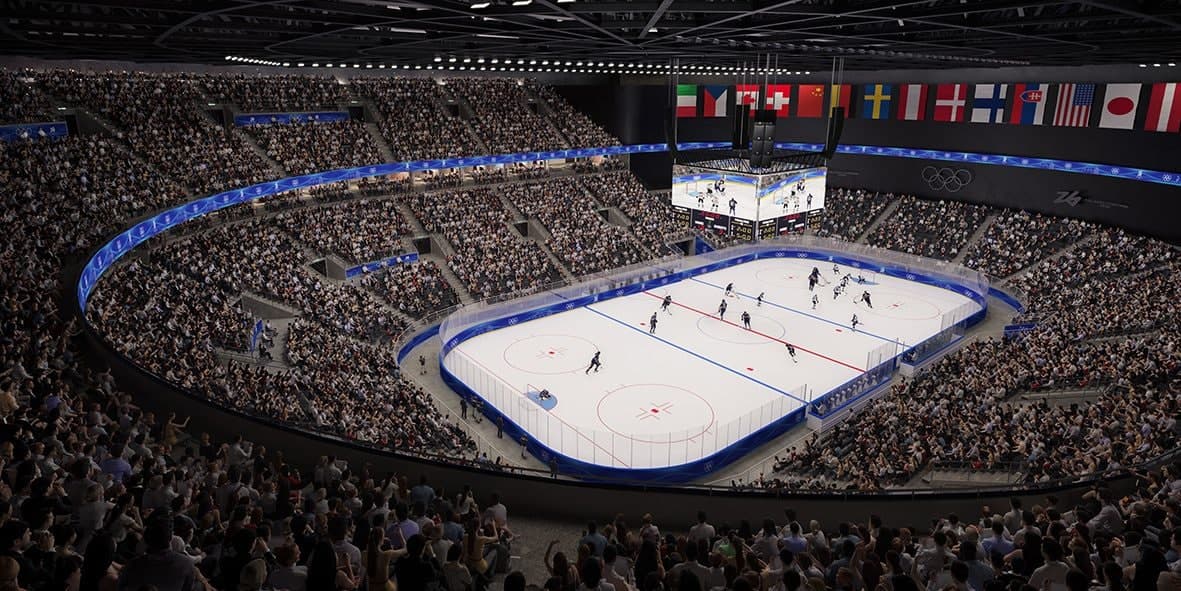
Organisers and the International Ice Hockey Federation moved on Monday to quash uncertainty around the new Santagiulia Arena after reports raised questions about the rink size and potential safety implications for players. They said the ice surface measures 60 metres by 26 metres, a configuration the IIHF described as consistent with its guidelines and similar to the surface used at the 2022 Beijing Olympics. The arena, which will host gold medal ice hockey matches, has struggled with construction delays and will hold test events on January 9 to 11, 2026, less than a month before the Games open.
The dispute is a microcosm of a broader tension in international sport between standardized rules, the expectations of professional leagues, and the practicalities of Olympic hosting. Critics, including some who raised collision and safety issues for NHL players, have pushed for clarity because even marginal differences in rink dimensions can affect the speed and spacing of play, and therefore the risk profile for collisions and injuries. Organisers stressed that the configuration had IIHF approval and that safety had been considered during design and planning.
From a performance perspective smaller or shorter surfaces compress action and accelerate decision making, favoring physical play and quick transitions. That can alter which teams benefit and how national coaching staffs prepare. For players used to North American rink dimensions, even small adjustments can influence timing and spatial judgment during high stakes games. For tournaments that draw global viewers and elite talent, those subtleties matter on the ice and in the narrative broadcasters sell to audiences.
Industry implications are immediate. Venue readiness and construction delays create pressure on broadcasters, sponsors, and national federations that invest considerable resources into Olympic cycles. Test events in early January will now carry heightened importance as the last operational proving ground for broadcasting logistics, spectator flows, and athlete acclimatization. Any further snags would amplify reputational risk for local organisers and could force costly remedial work or schedule changes.
Culturally the debate underscores the growing profile of ice hockey within an Italian host region not traditionally seen as a global hockey powerhouse. The arena is to be a high visibility legacy asset for Milan, and how it performs will shape public perception of the Games as a whole. Success would demonstrate Italy can stage world class ice sport facilities, while setbacks would feed scepticism about whether Olympic infrastructure benefits local communities or primarily serves the spectacle and short term international calendar.
Socially the episode also raises questions about athlete voice and safety governance in major events. When logistics and politics intersect with player welfare, transparent technical decisions are essential to maintain trust. With approval from the IIHF, organisers have the formal green light, but the backlash shows stakeholders expect more than technical compliance. They want assurance that last minute construction and constrained testing windows will not compromise player safety or the integrity of competition. As January approaches the Santagiulia Arena will be the test case for whether Olympic ambition can meet operational reality without sacrificing either.