Orlando Sanford Airport, Seminole County's Local Travel and Economic Hub
Orlando Sanford International Airport serves as Seminole County's primary commercial airport, supporting regional travelers along with a mix of scheduled and charter carriers and contributing to local jobs, cargo movement, and travel services. Check carrier schedules, parking options, and local traffic advisories before traveling because airport operations affect road patterns and infrastructure planning across Sanford and surrounding corridors.
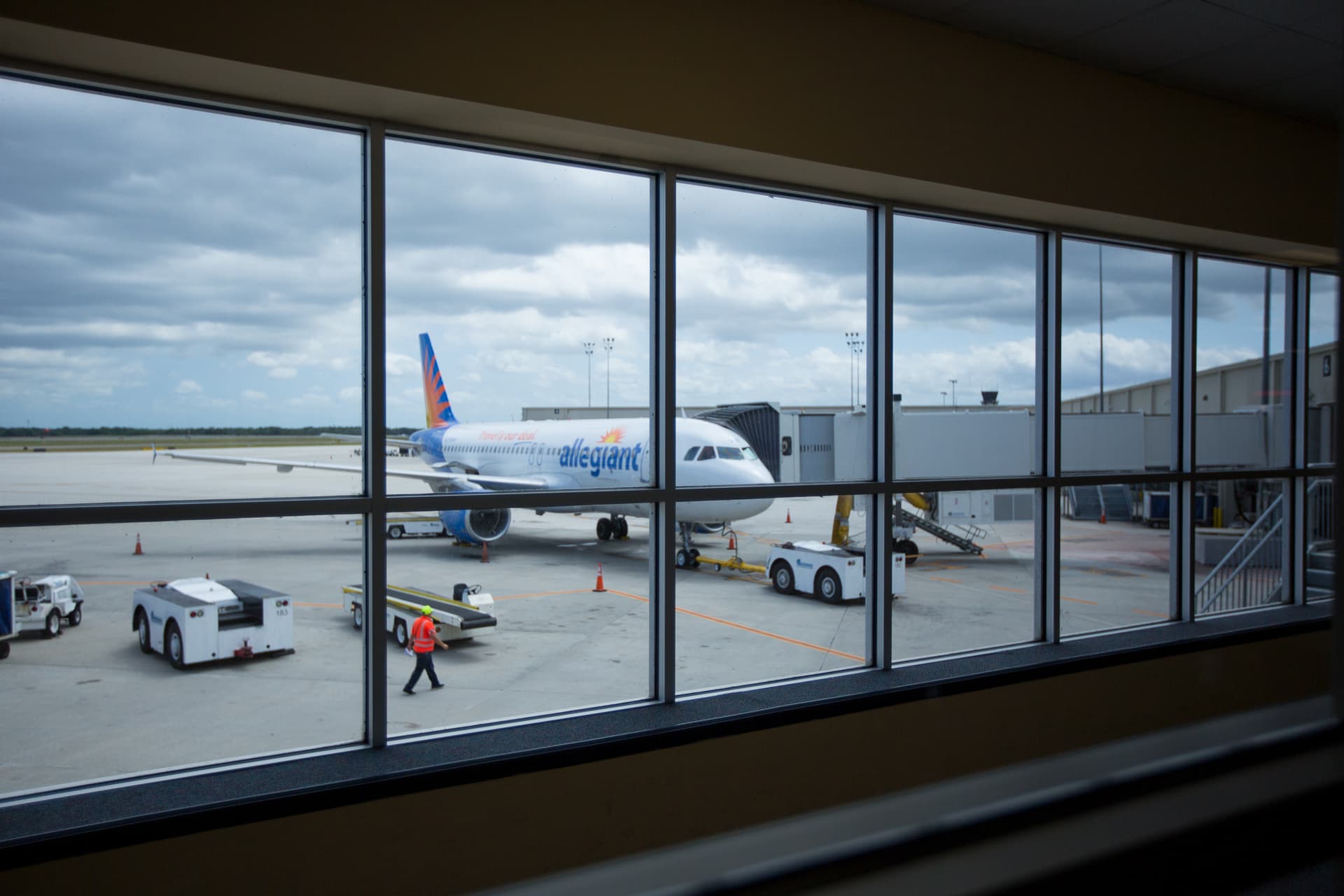
Orlando Sanford International Airport, known as SFB, is the county's primary commercial gateway for regional travelers, scheduled airlines, and charter carriers. Its operations provide a sustained economic presence in Seminole County, supporting jobs in travel services, ground transportation, cargo handling, and related businesses. For residents and businesses the airport functions as both a travel resource and an economic engine that shapes daily traffic and infrastructure priorities.
Practical traveler steps are straightforward. Consult the airport's official website for current carrier schedules, parking options, and available ground transport providers including ride share, taxi, and shuttle services. Confirm baggage and carry on policies with your specific airline and allow sufficient time for security screening, especially during holiday and other peak travel periods when wait times can increase. Monitor terminal advisories posted by the airport before departure to avoid last minute changes or delays.
Local traffic and infrastructure are directly affected by SFB activity. Movements to and from the airport influence traffic patterns near Sanford and along surrounding corridors. Check local traffic advisories before traveling to or from the airport, and watch for updates from Seminole County and the City of Sanford on road work or infrastructure projects tied to airport improvements. Those projects can alter access points and parking availability, and they require coordination between local government, transportation agencies, and airport management.

From a policy perspective, the airport's role underscores the need for continued local planning on multimodal access and congestion management. Investments in roads, signage, and transit connections determine how effectively the airport supports regional travel and freight functions without transferring congestion into residential neighborhoods. For households and businesses that rely on timely travel or cargo movement, proactive planning matters. Check schedules, confirm airline rules, plan extra time for peak periods, and follow local advisories to reduce disruption when using SFB.