Over 12 Million People in Myanmar Face Acute Hunger in 2026
The U.N. World Food Programme warned today that more than 12 million people in Myanmar will face acute food insecurity in 2026, with roughly 1 million in need of emergency, lifesaving assistance. The warning underscores how a devastating March earthquake, protracted conflict and a sharp economic decline have combined to overwhelm humanitarian capacity, and donors now face a narrow window to prevent further catastrophe.
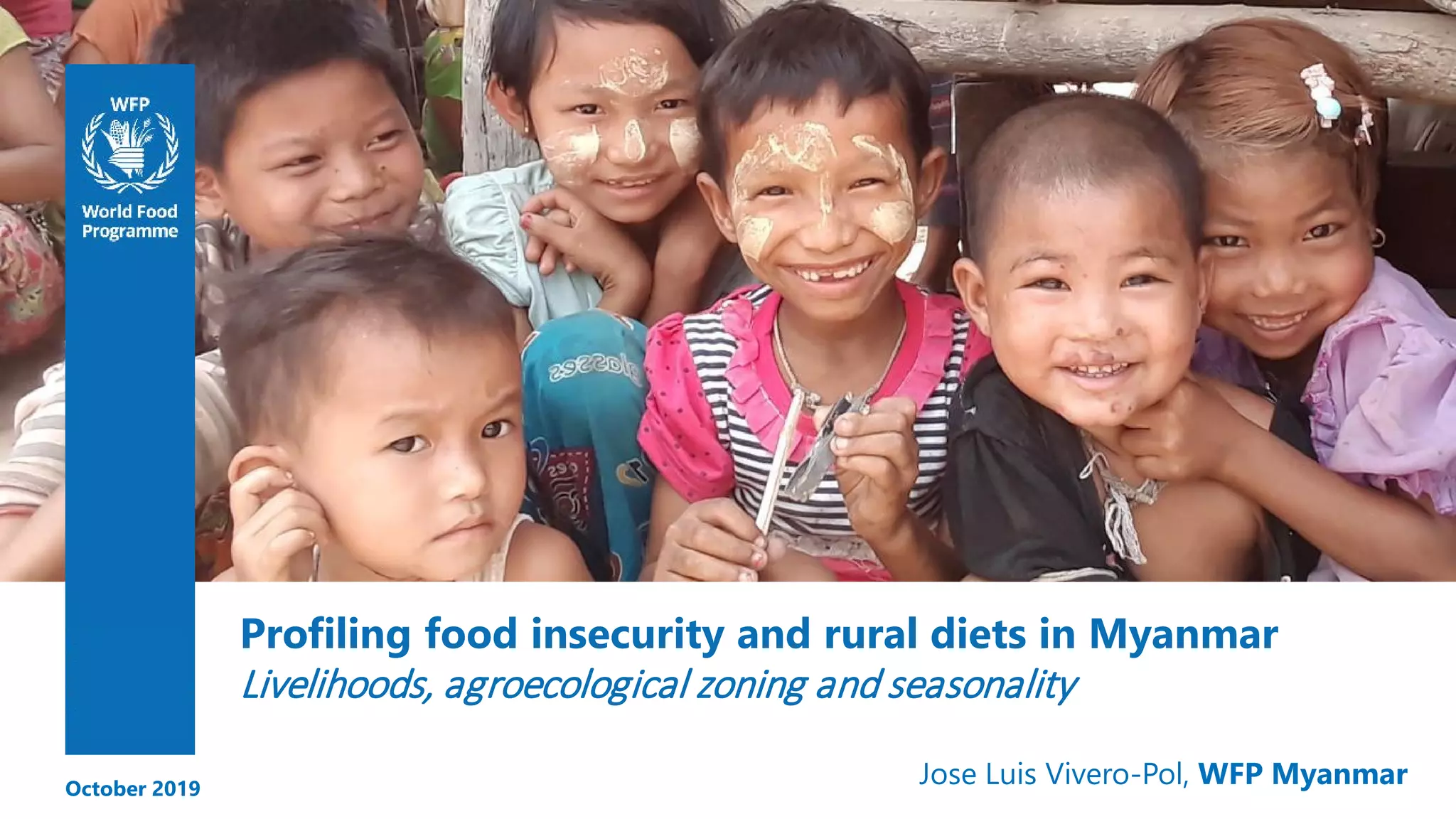
The U.N. World Food Programme warned on Thursday that more than 12 million people in Myanmar are expected to face acute food insecurity during 2026, and that roughly 1 million of them will require emergency, lifesaving assistance. The statement linked the looming crisis to an accumulation of shocks in 2025, including a major earthquake in March and continuing conflict related displacement amid severe economic contraction.
WFP says it has been forced to reduce life saving humanitarian assistance for more than 1 million conflict affected people since April 2025. Funding shortfalls have already narrowed WFP reach, and the agency reported it will only be able to support about 570,000 people during the lean season from July to September 2025, which WFP describes as covering just 20 percent of the population currently facing emergency levels of food insecurity. WFP said it urgently needs US$60 million to reverse cuts to assistance for more than 1 million people in 2025.
The crisis intensified on 28 March 2025 when a magnitude 7.7 earthquake struck central Myanmar. The quake killed more than 3,700 people, destroyed infrastructure and produced cross border effects in neighboring countries. Nearly 2.8 million food insecure people were affected in the hardest hit townships, among them approximately 500,000 who had already been facing emergency levels of hunger before the quake.
Agency figures present differing but consistent alarms about scale. WFP’s December projection of more than 12 million people facing acute food insecurity in 2026 sits alongside a broader WFP tally of 16.7 million people who are food insecure and agency assessments that the crisis is affecting about 20 million people overall. World Vision reported that before the March earthquake more than 15 million people were expected to face food insecurity in 2025, and that nearly 20 million people would require humanitarian assistance that year, including 6.3 million children and 7.1 million women. These variations reflect different metrics and timeframes, with acute food insecurity focusing on the most severe, life threatening needs and broader counts encompassing multiple severity levels.
International and local responders have mounted emergency relief despite the scale of need. World Vision and partners report reaching nearly 330,000 people, including more than 100,000 children, with food, clean water and shelter after the earthquake, and delivering cash assistance and recovery loans in partnership with WFP and VisionFund. Yet the gap between aid delivered and needs remains vast, and further reductions in assistance as the year closes would deepen risks to health and survival.
Public health experts warn that prolonged food deprivation will exacerbate child malnutrition, increase maternal risks, and strain a fractured health system already coping with displaced populations and damaged facilities. Water borne disease, micronutrient deficiencies and long term developmental harm among children are immediate dangers where food and basic services are interrupted.
Aid agencies and health advocates say urgent donor funding, protected humanitarian access across conflict lines and strengthened support for local organizations are essential to prevent a deeper collapse. Without timely resources and safe corridors to reach the most vulnerable, Myanmar’s worsening hunger crisis threatens to become a protracted public health and social equity emergency with generational consequences.
Know something we missed? Have a correction or additional information?
Submit a Tip