Overland Trail Museum Anchors Logan County Heritage and Community Programs
The Overland Trail Museum east of Sterling continues to preserve and interpret the region's settlement and transportation history, operating from a stone building opened in 1936 with collections and programs that serve local residents and visitors. Its role as an educational hub for agricultural heritage, community gatherings, and seasonal exhibits matters to Logan County because it supports local identity, tourism, and civic life while depending on public support and stewardship.
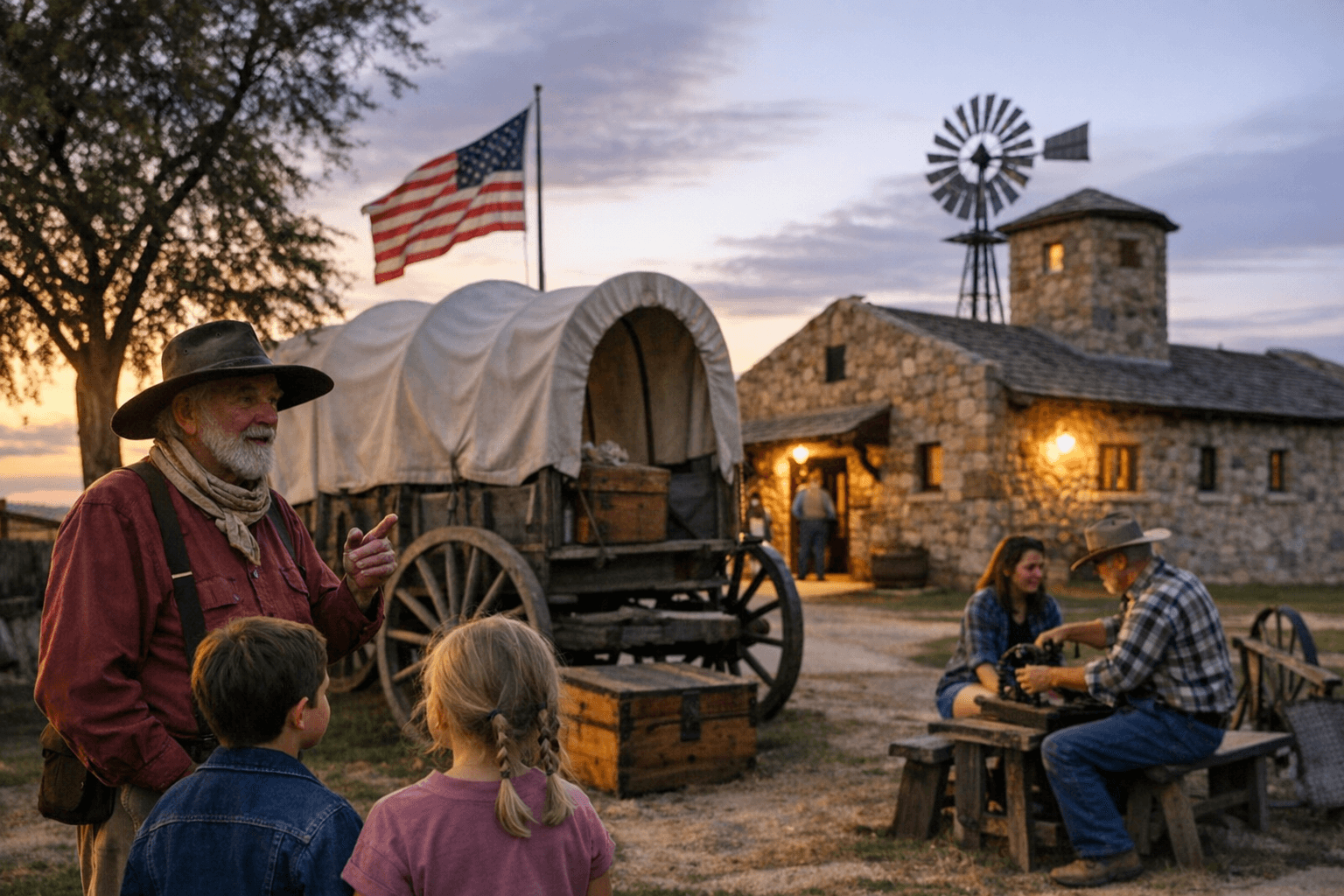
The Overland Trail Museum, located east of Sterling on Highway 6 along the South Platte River corridor, remains a central repository for Logan County history and a site for community programming. Housed in a stone building that opened in 1936, the museum maintains collections of farm and ranch artifacts, early transportation exhibits, and a historic depot with related outbuildings. Regular offerings include summer prairie school sessions, local history events, seasonal exhibits, and small community gatherings such as weddings and memorials.
The museum functions not only as a display space but as an educational hub for understanding the county's agricultural and transportation heritage. For students, historical groups, and visitors, the site provides context about the Overland Trail and early settlement patterns in northeastern Colorado. For families and civic organizations, the facility offers a venue for ceremonies and local meetings that reinforce community ties.
Institutionally, the museum illustrates the broader challenges and opportunities of rural cultural stewardship. The historic stone building and outdoor structures require ongoing maintenance and preservation attention. Sustaining regular programming depends on staff and volunteer capacity, partnerships with schools and civic groups, and financial support from a mix of admissions, rentals, donations, and public funding. Decisions about county budget priorities and grant allocations directly affect the museum's ability to maintain exhibits and outreach, making cultural preservation a matter of public policy as well as local pride.
The museum also contributes to the local visitor economy by drawing people traveling the South Platte River corridor and those interested in agricultural history. Its collections support journalism, genealogy, and school curricula, giving residents resources to document and share community stories. Civic engagement shapes the museum's future because voter turnout and participation in county budget processes influence funding choices that determine programming and preservation capacity.
As Logan County continues to assess how to support cultural assets, the Overland Trail Museum stands as a tangible link to the past and a living site for community life. Its survival and vitality will depend on continued public stewardship, clear policy choices about cultural funding, and active involvement by residents who use and value the museum for education and community gathering.
Sources:
Know something we missed? Have a correction or additional information?
Submit a Tip