Oviedo Mall Shifts to Mixed-Use with Apartments and Dog Care
Oviedo Mall, a nearly 1,000,000-square-foot property in Seminole County, is converting anchor spaces into housing and service uses as retail traffic declines. The changes - including approval for market-rate apartments on the former Macy’s site and a multimillion-dollar Dog Stop in the old Sears Auto Center - signal a broader move to mixed-use redevelopment that will affect local housing, jobs, and municipal revenues.

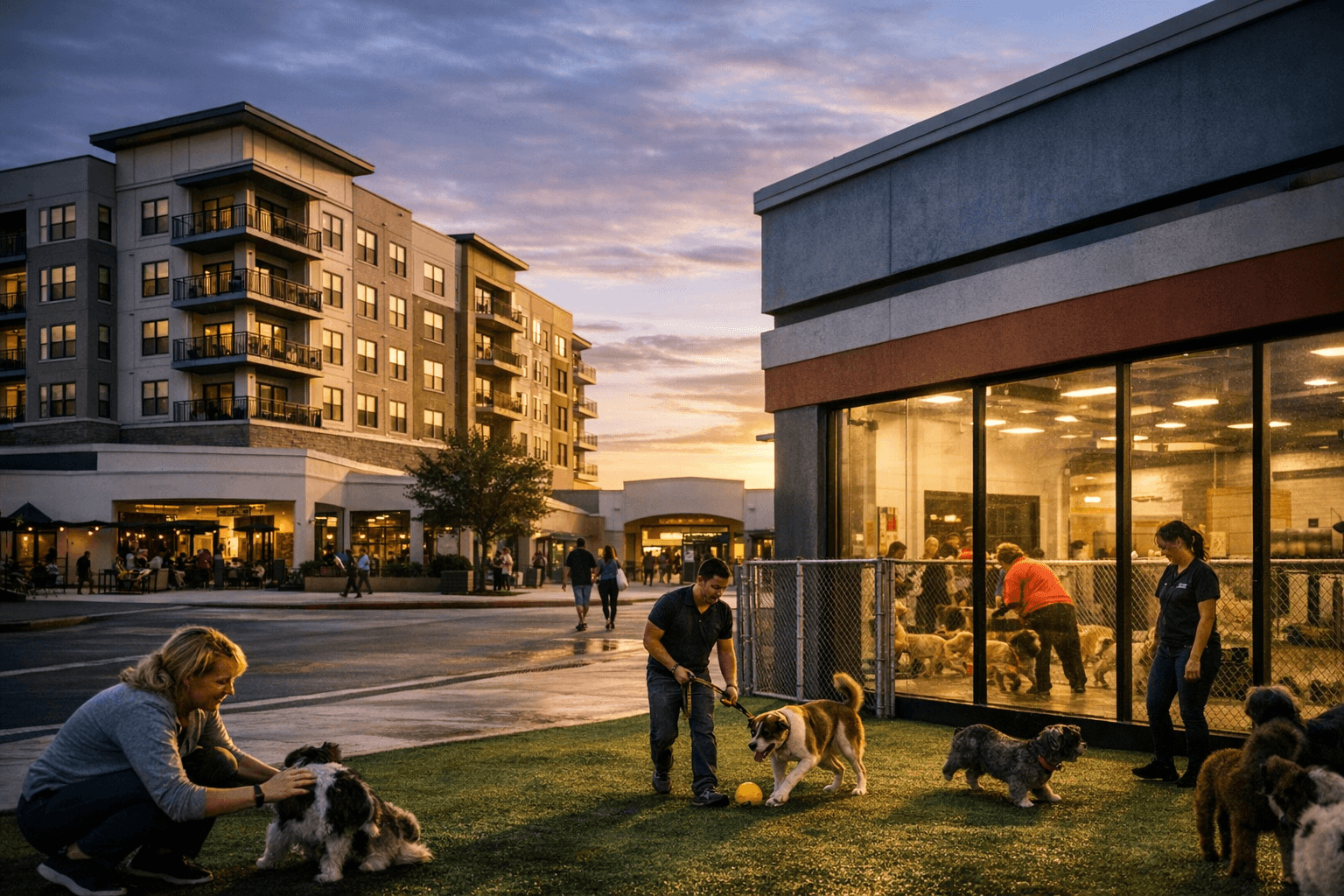
Oviedo Mall has begun a visible reinvention aimed at keeping a major Seminole County property economically viable as traditional retail demand softens. On Jan. 9, 2026, county and developer actions reflected a shift in use across the nearly 1,000,000-square-foot site: the Macy’s anchor parcel has secured approval to become high-end market-rate apartments, several other parcels are proposed for additional housing, and the former Sears Auto Center has been redeveloped into a multimillion-dollar Dog Stop facility offering daycare, boarding and grooming.
Property owners and local businesses described the strategy as moving away from a single-purpose retail center toward a mixed-use model that combines retail, residential and service elements. On-the-ground reporting found construction crews and contractors active on site, new leasing inquiries aimed at service and lifestyle tenants, and steady foot traffic around remaining retailers during midday hours. Local developers told reporters they view housing on-site as a way to create guaranteed daily customers for restaurants and personal-service businesses while diversifying the mall’s revenue streams away from volatile department store anchors.
For Seminole County residents the changes carry immediate and longer-term implications. New market-rate apartments will expand the local housing stock in a market where inventories have been tight in recent years, potentially drawing new households within walking distance of retail and transit connections. That density can boost sales tax receipts for merchants inside and adjacent to the mall, while also creating demand for childcare, healthcare and neighborhood services. At the same time, added residential units will raise questions about school enrollment, local traffic patterns and municipal service needs that county planners will need to address.
Employment effects are mixed but tangible: construction activity generates short-term jobs, while the Dog Stop and other service tenants provide ongoing local employment opportunities. Converting large, single-use retail spaces to mixed uses also changes the municipal tax base: residential assessments typically yield different revenue per square foot than commercial property, altering long-term fiscal planning for local government.
Oviedo Mall’s evolution mirrors a national pattern in which aging mall anchors are reimagined as mixed-use campuses offering housing, healthcare, entertainment and community services. For Seminole County residents, the mall’s transition may mean more neighborhood amenities close to home, more local jobs in services and construction, and a recalibration of infrastructure and public services to accommodate new residents. The pace of redevelopment and the balance between retail and residential uses will determine how the site contributes to the county’s economy in the coming years.
Sources:
Know something we missed? Have a correction or additional information?
Submit a Tip