PAC finds Perry Township board violated open meetings law
The Indiana Public Access Counselor ruled the board violated the Open Door Law by posting no-recording signs; the decision affects residents who rely on access and remote review.
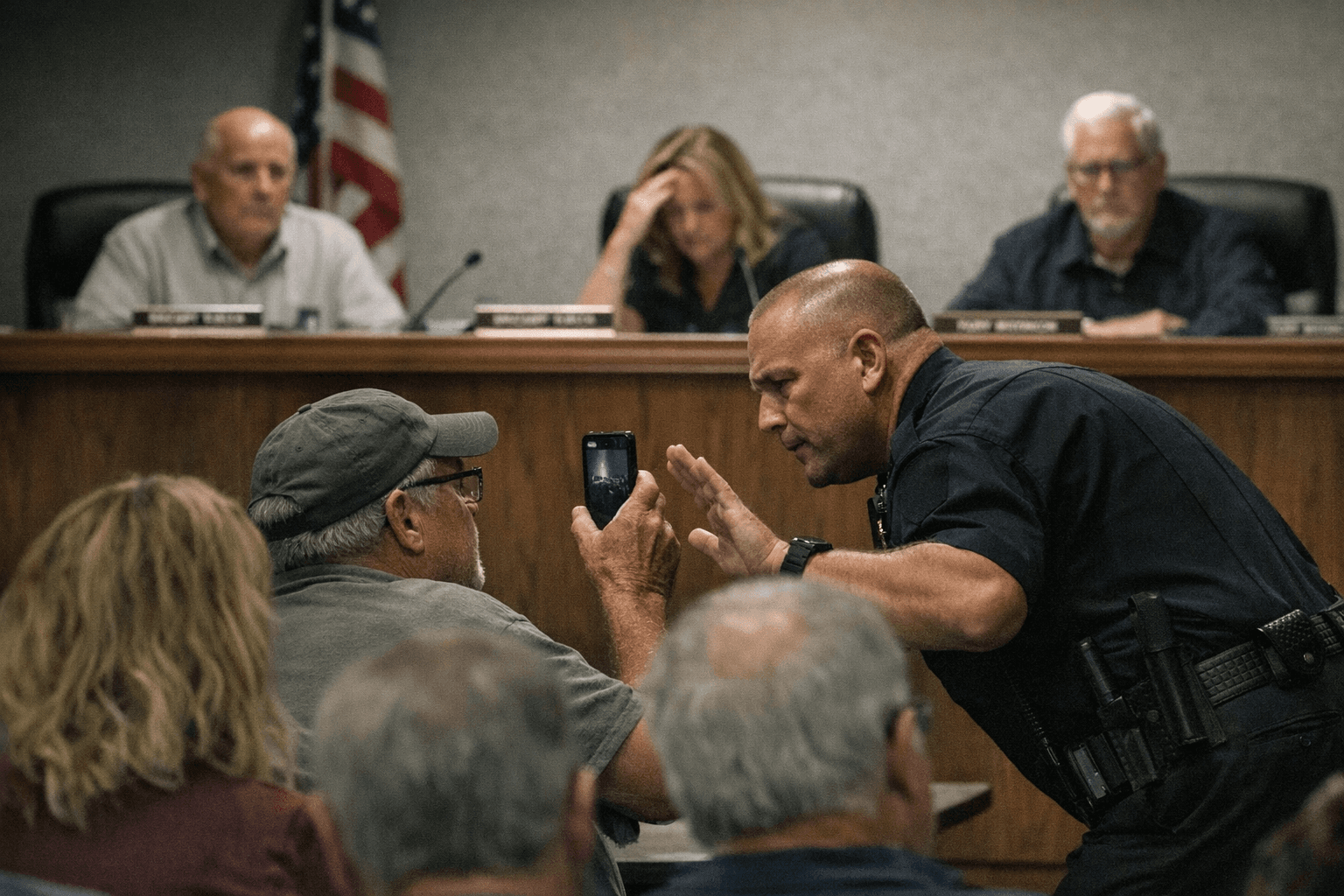
The Indiana Public Access Counselor issued a multi-page opinion on January 13 finding the Perry Township School Board violated the state's Open Door Law by posting signs that prohibited private recordings of a public meeting. The opinion follows a formal complaint filed January 12 by parent Nathan Formo and confirms that public meetings must be open for attendance and recording under state statute.
At a December 12 board meeting, attendees encountered signage and a sign-in sheet bearing the statement "No private recordings of this meeting are permitted." Parent Aimee Formo, who said she has difficulty attending meetings in person, called the signage "frustrating and off-putting." News crews, including WRTV, were allowed to record at the meeting, a detail parents noted made the ban on private recordings seem inconsistent.
The board's attorney defended the policy, saying it predates 2020 and arguing that decisions about recording are left to individual governmental bodies because recording can be disruptive. The Public Access Counselor disagreed, concluding that the board's signage and policy conflict with the Open Door Law and relevant case law. The PAC recommended the board revise its policy to align with statutory language and court precedent and urged the board to ensure public meetings include adequate discussion and context for votes so the public can be meaningfully informed.
Perry Township Schools' spokesperson said the district removed the signage after receiving the PAC advisory opinion and that the district is reviewing meeting practices, including potential live-streaming or recording. Elected board members declined on-camera interviews and referred requests to the district's written statement.
The ruling carries practical implications for Perry County residents who rely on access to board deliberations. Parents who cannot attend meetings in person say the ability to record or view proceedings later is essential to follow budget decisions, policy changes and personnel actions that affect classrooms. A ban on private recordings can limit community oversight at the exact time when transparent communication about school operations is most needed.
Institutionally, the PAC opinion reinforces that local boards must craft procedures consistent with state open-meetings law rather than imposing broad prohibitions that can chill public participation. For elected school officials, the immediate task is procedural: update written policies, train staff and clarifying signage, and consider accessible options such as live-streaming to reduce barriers to attendance.
The takeaway? Keep showing up and documenting what matters. If you can't make a meeting, ask the board about recordings or a livestream, request clear minutes, and contact the Public Access Counselor if you encounter rules that block your right to observe or record public meetings. Our two cents? The easiest path to confidence in local schools is sunlight—make sure nothing shades it.
Sources:
Know something we missed? Have a correction or additional information?
Submit a Tip