Park Service Drops MLK Day, Juneteenth, Adds Trump Birthday
The National Park Service announced that Martin Luther King Jr. Day and Juneteenth will be removed from the agency's list of free admission days for U.S. residents while June 14 will be added, effective January 1, 2026. The change has drawn sharp criticism from civil rights advocates and Democratic lawmakers who say it undermines service traditions and worsens access for communities that rely on free public lands for recreation and health.

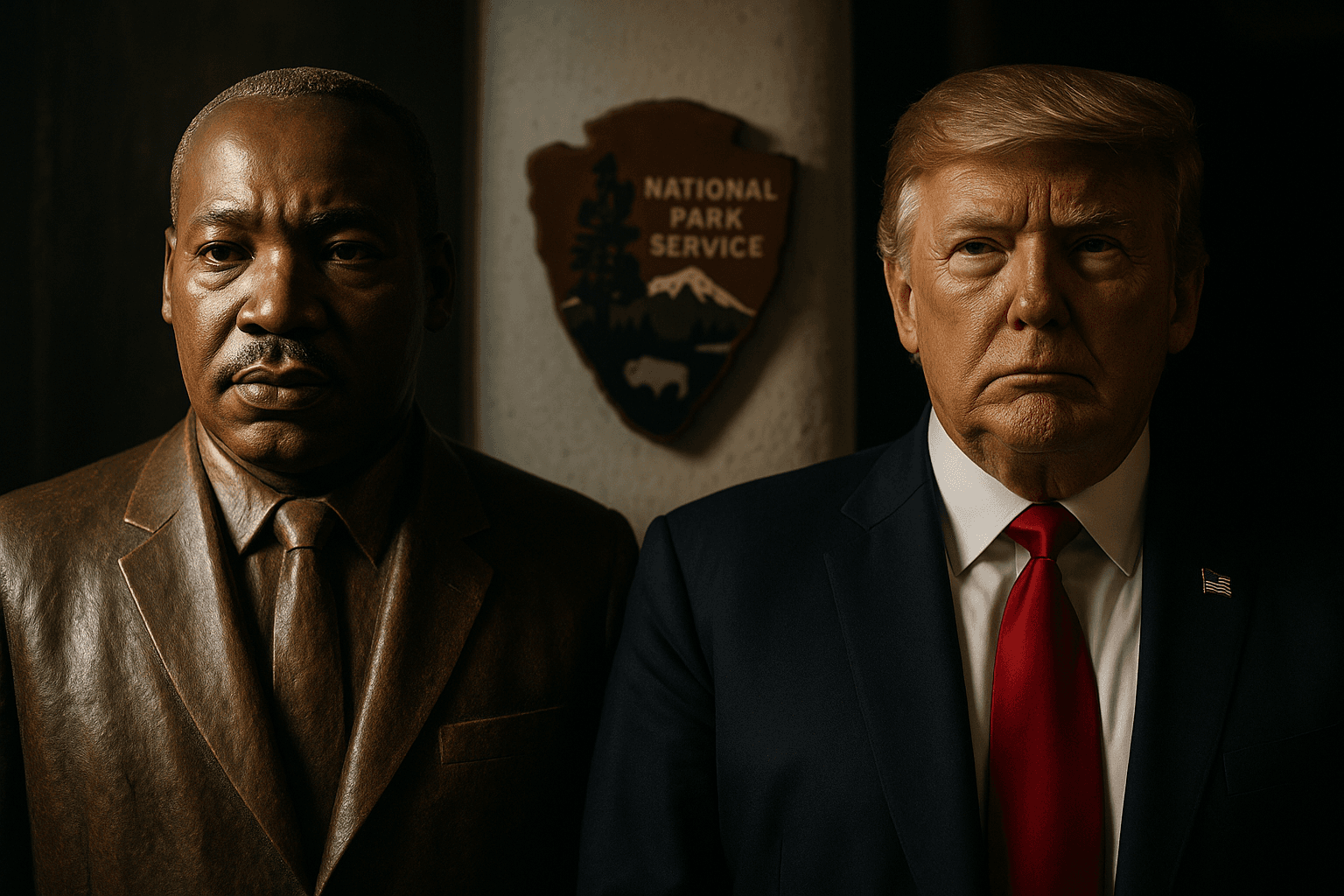
The National Park Service announced on December 6, 2025 that two days long associated with civil rights and national reckoning will no longer guarantee free admission for U.S. residents beginning January 1, 2026. Martin Luther King Jr. Day and Juneteenth were removed from the agency's free admission calendar, and June 14, President Donald Trump’s birthday and the established Flag Day observance, was added.
The list that will remain includes Presidents Day, Memorial Day, Independence Day, Constitution Day, Veterans Day, Theodore Roosevelt's birthday and the Park Service's anniversary. The agency also recently raised admission fees for international visitors, a separate move that has prompted concern about the overall direction of access and revenue policies for federal lands. Agency officials did not immediately explain the rationale for the holiday changes.
Civil rights organizations and Democratic lawmakers criticized the decision as politically motivated and harmful to longstanding volunteer service efforts that traditionally take place on Martin Luther King Jr. Day. Those volunteer activities serve practical conservation needs at parks and also represent a civic channel through which communities and nonprofit groups engage in stewardship and civic education. Removing a free entry day on a date understood as a national day of service risks reducing turnout and the capacity of community organizations to deliver programs and cleanups that maintain park infrastructure and support public safety.
Public health experts and community advocates say the timing matters beyond symbolism. National parks and other public lands function as settings for physical activity, stress reduction and community gathering that bolster public health. Lowering free access opportunities may increase barriers for families and low income visitors who depend on free admission days to access green space for exercise, mental health benefits and culturally significant programming. Juneteenth events at park sites often provide commemorative and educational programming for Black communities, and removing free admission on that day is likely to constrict attendance at those programs.
The changes also carry implications for communities that rely on parks for economic and social resilience. Gateway towns and nonprofit partners that host school groups, senior programs and volunteer restoration events may see declines in visitorship on key days, affecting revenue for local businesses and the workforce that supports park programming. International visitor fee increases, combined with fewer free admission dates, raise questions about how the Park Service will balance revenue generation and equitable public access.
Advocates and lawmakers are calling for transparency and data to justify the revisions and to outline how the agency will measure impacts on volunteer service, community health and equitable access. The debate highlights broader tensions in federal stewardship policy over how national treasures are financed and whom they are meant to serve. As the Park Service moves toward the 2026 calendar, communities and civic groups are weighing how to adapt volunteer plans and programming amid uncertainty about access and costs.