Parker Revises Rules to Support Mobile Businesses and Food Trucks
Parker's Town Council adopted an amendment to the Town's Land Development Ordinance on January 7, 2026, aimed at easing regulatory barriers for mobile businesses, including food trucks. The change removes a prior requirement that mobile operators on private property regularly move locations, creates clearer standards for different lengths of operation, adjusts nuisance safeguards for extended operations, and permits additional compliant temporary signage.
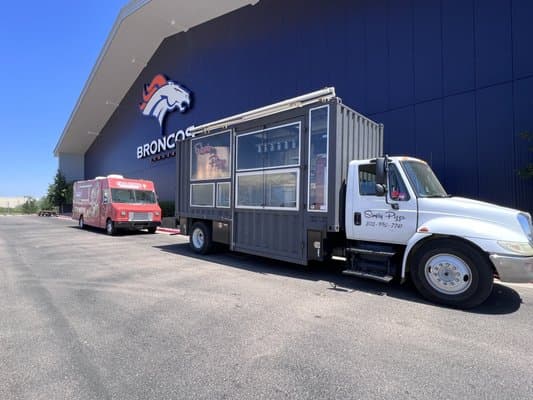
Parker's Town Council voted January 7, 2026, to amend the Land Development Ordinance to better accommodate mobile businesses such as food trucks and other mobile vendors. The revision, developed with input from the mobile-business community, alters long-standing operational rules and sets clearer expectations for operators and regulators alike.
A central change removes a requirement that mobile vendors on private property periodically relocate. That provision had previously forced some operators to move at intervals even when they leased or otherwise used the same private site. The updated ordinance replaces that requirement with defined standards that differentiate daily, short-term and long-term operations, supplying more predictable rules for vendors and property owners.
The update also adjusts nuisance safeguards applicable to extended operations. While the ordinance expands opportunities for mobile businesses to remain at a location for longer periods, it pairs that flexibility with tightened standards intended to limit noise, congestion and other community impacts associated with prolonged presence. The amendment explicitly allows additional temporary signage that complies with town standards, such as banners, removing a prior constraint that limited certain types of on-site advertising.
Permits and licenses remain required under the town's regulatory framework. Vendors seeking to operate must still meet permitting, health and safety requirements and secure any necessary licenses before doing business. The town directs vendors and residents to the town’s Mobile Businesses page for full rules and permitting details.
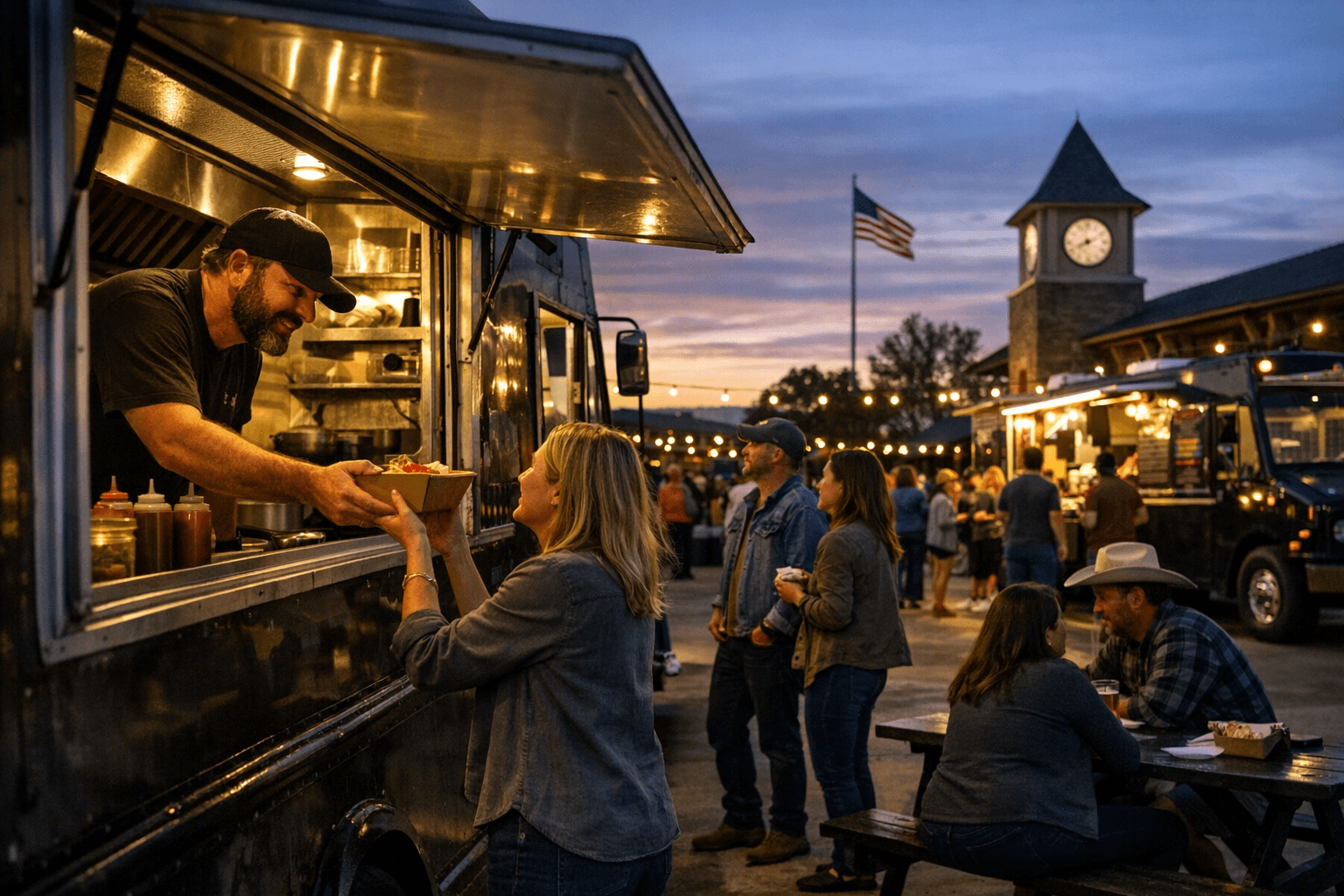
For local residents and business owners, the change has immediate practical effects. Mobile vendors gain greater certainty and reduced logistical burdens when operating on private property, which can lower operating costs and support business growth. At the same time, nearby residents and fixed-location businesses should expect more visible and potentially longer-running mobile operations and rely on the ordinance's nuisance safeguards and permitting process to manage community impacts.
From a policy perspective, the amendment reflects a municipal effort to balance economic opportunity with local quality-of-life concerns. By clarifying operation categories and enforcement standards, Parker aims to reduce regulatory ambiguity that can lead to inconsistent enforcement and disputes. The town's coordination with the mobile-business community during the revision process signals an institutional approach that includes stakeholder input in local codemaking.
Residents and operators are advised to review the town's published rules and permitting requirements before launching or expanding mobile business activity, and to engage with town officials if enforcement or nuisance issues arise as the new ordinance is implemented.
Sources:
Know something we missed? Have a correction or additional information?
Submit a Tip