Partial reprieve for Chinese-made drones leaves uncertainty for racers
The Department of Commerce withdrew a proposed blanket import ban, but the FCC still blocks new foreign-made drone models entering the U.S., keeping buying decisions unsettled.

U.S. pilots got a short-term win when the Department of Commerce backed away from a proposed blanket ban on imports of already-approved Chinese-made drones, but the larger picture remains unsettled because a separate FCC rule still bars unapproved foreign-made models from entering the country. The Commerce move preserves the immediate availability of many popular platforms, but the FCC restriction keeps a high barrier for new models from companies such as DJI, Autel, Antigravity and Zero Zero Robotics.
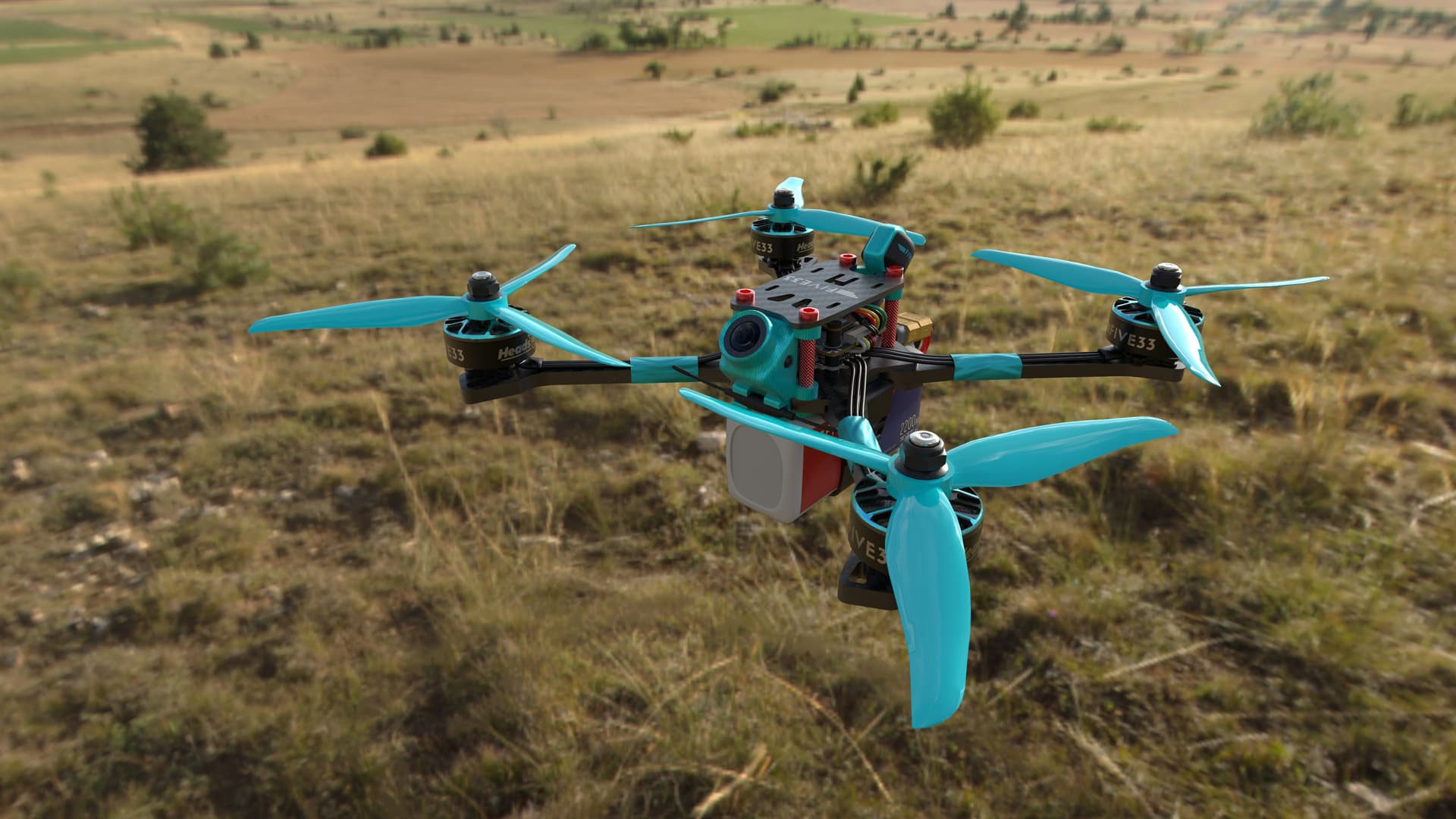
The split between the two regulatory tracks matters in practical ways for FPV pilots, race teams and retailers. For now, bind-and-fly kits, spare parts and race-ready models that were previously cleared can continue to be sold and imported into the U.S., reducing the risk of immediate shortages at local shops and online stores. That stability helps leagues and event organizers who need predictable inventories for prize pools and rental fleets.
At the same time, the FCC’s rule preventing future foreign-made models from entering without specific approval means manufacturers may stop planning U.S. launches or shift strategies for distribution, firmware updates and certification. New race-optimized frames, motors or integrated camera-to-VTX packages that haven’t been approved could never reach U.S. pilots unless individually cleared. That uncertainty complicates buying decisions: pilots choosing hardware for competition or custom builds face the risk that replacement parts or successor models may become hard to source down the road.
Accessory makers and service providers also face real consequences. If manufacturers reduce U.S. support or halt new model introductions, the aftermarket for spares, propellers, ESCs, flight controllers and other consumables could shift quickly. Retailers and teams should plan for longer lead times on some components and consider stocking critical items that are sensitive to supply disruptions.

Practical steps for pilots and organizers include prioritizing shipping-ready, already-approved hardware for U.S. builds, keeping an eye on FCC approval lists, and building up a parts cache for high-failure items like motors, ESCs and cameras. For event operators, locking in equipment suppliers now and confirming warranty and repair support will reduce last-minute headaches if manufacturers alter U.S. plans.
This outcome looks like a limited reprieve triggered in part by short-term easing around high-level talks, but it leaves long-term availability unresolved. For U.S. racers the immediate field remains open, yet pilots, teams and vendors need to treat future model availability as uncertain and plan accordingly. Expect the next moves from regulators and manufacturers to determine whether the sport sees incremental supply stability or new chokepoints in the months ahead.
Sources:
Know something we missed? Have a correction or additional information?
Submit a Tip