Analysis
Pathfinder Second Edition Starter Guide, What to Buy and Play
This compact primer explains what new players need to begin playing Pathfinder Second Edition, which products to start with, and how a session typically runs. It also breaks down the core action economy, offers three approachable first character archetypes, and gives clear GM tips and trusted resources to get a table playing quickly.

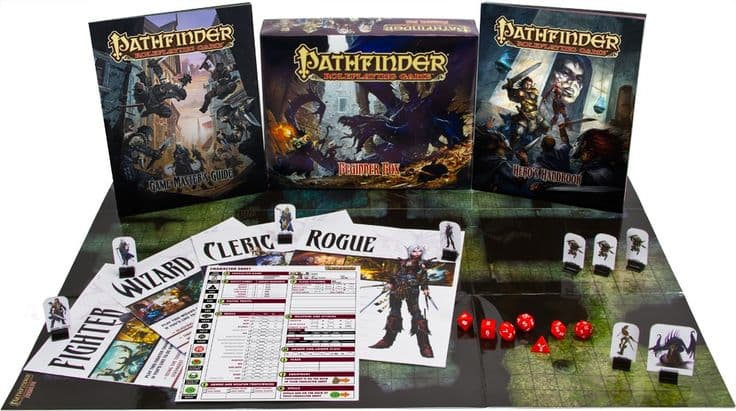
For absolute newcomers the first decision is practical and simple. Pick the Beginner Box to learn at the table with streamlined rules and guided scenarios, or choose the Player Core if you want the complete player content for long term character options and reference. The Beginner Box expedites a first session and reduces decision fatigue, while the Player Core pays off if you plan to run or play regularly and need the full rule set.
A typical session in Pathfinder Second Edition divides into three modes, each with different pacing and expectations. Encounters are the tactical moments of combat and tense skill challenges. Exploration is travel, investigation, and role play. Downtime covers rest, crafting, training, and between adventure management. Structuring a first meeting with one short encounter framed by exploration and a brief downtime sequence gives new players a full view of what a campaign feels like without overloading anyone.
Understanding the action economy solves a lot of beginner confusion quickly. On your turn you get three actions. Spend those actions on moves, attacks, casting many spells, or interactions. Reactions trigger on specific events and let a character respond outside their turn. Free actions cover minor things that do not use your three actions. Learning to count actions and plan simple sequences will make combat feel far less chaotic, and practicing with a single archetype for the first few sessions speeds mastery.
Choose a first character that teaches game fundamentals. A simple melee striker focuses on straightforward positioning, timing, and reading the battlefield. A healer and support build emphasizes resource management, spell and ability economy, and teamwork. A ranged striker illustrates target selection, range control, and movement choices. Start with one primary role, keep choices simple, and level abilities that reinforce a single play pattern until comfort grows.
Game masters can lower friction by using pregens, running one hour encounters that resolve quickly, and using visual aids such as flip mats or simple maps to anchor tactics. Keep initiative simple, call for only the rolls you need, and narrate results clearly so new players learn cause and effect.
For reliable reference use Archives of Nethys for rules lookup, consult Paizo organized play and society pages for sanctioned scenarios and tables, and use popular online tools for map and encounter building when you need dynamic maps or quick adjustments. These steps get a table playing in a single session, and they build the skills and confidence that keep groups coming back.
Sources:
Know something we missed? Have a correction or additional information?
Submit a Tip