Pentagon Embraces Monroe Doctrine, U.S. Shifts Focus to Americas
The Financial Times reports that Defense Secretary Pete Hegseth presented the new National Security Strategy as a decisive reorientation toward the Western Hemisphere, declaring the Monroe Doctrine concept "stronger than ever." The shift matters because it reorders U.S. military priorities, raises questions about alliance commitments abroad, and carries consequences for public health, humanitarian response, and social equity across the Americas.
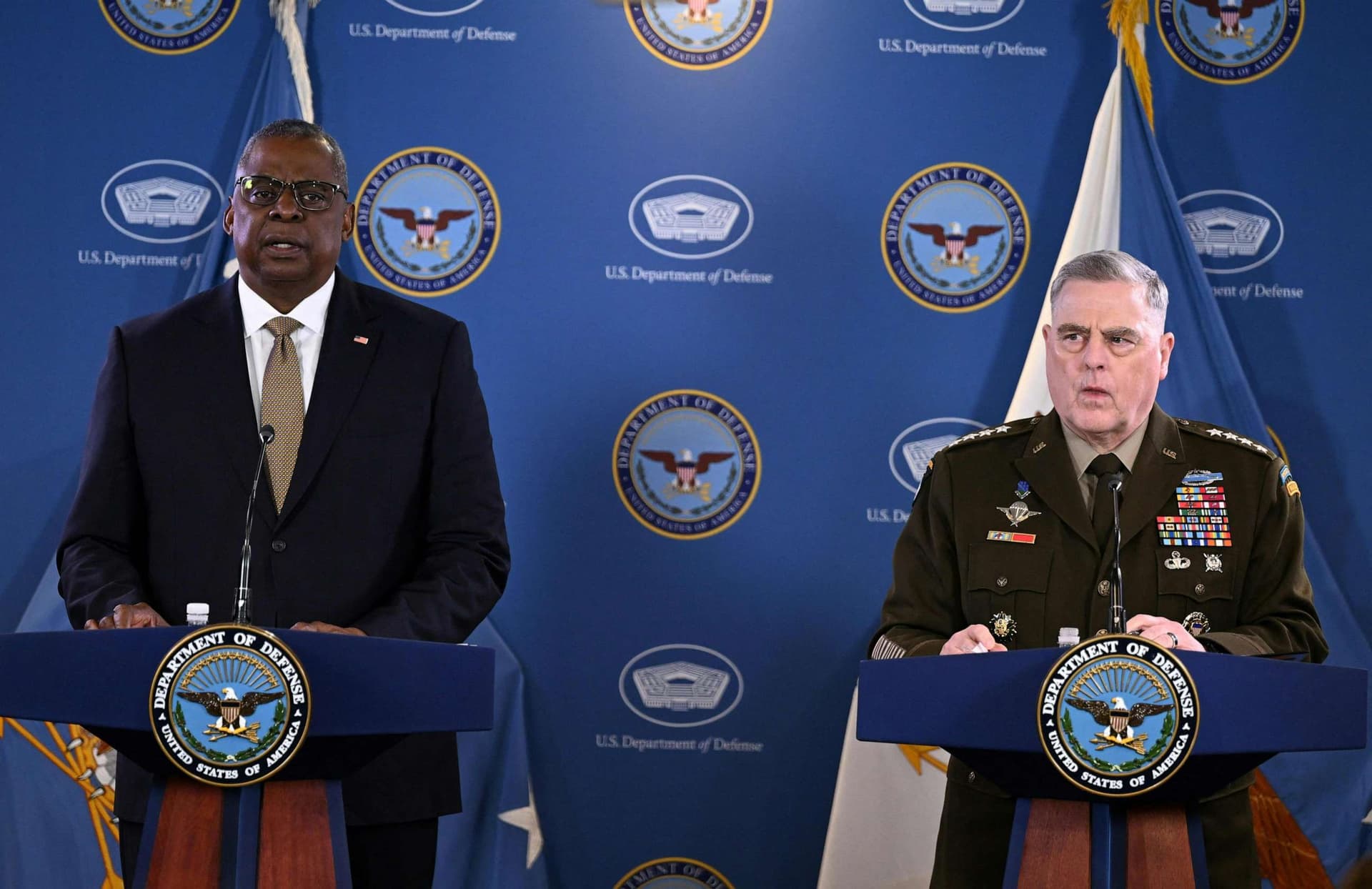
Defense Secretary Pete Hegseth is framing the newly released National Security Strategy as a decisive pivot that makes the Monroe Doctrine concept "stronger than ever," the Financial Times reports. The document, and the Pentagon guidance that flows from it, prioritize defense of the homeland and the Western Hemisphere, signaling a rebalancing of U.S. forces and attention toward regional security concerns in the Americas.
The shift is sparking debates inside the administration and across allied capitals. European and Middle Eastern partners are expressing concern about what reduced emphasis from Washington could mean for collective deterrence and for long standing security commitments. Within the Pentagon and among regional policy makers, officials are discussing operational changes, basing posture, and partnership frameworks that would reflect the NSS language on reallocation of forces and resources.
Central to the strategy is a new demand that partners assume greater fiscal and operational responsibility for their security. The paper presses allies and regional governments to increase defense spending and take on more duties under a "burden sharing" paradigm. That framing is likely to complicate relations with smaller and economically vulnerable states in the Americas, where limited budgets are often stretched across health care, social services, and infrastructure needs.
Public health and humanitarian implications are immediate and significant. Increased military activity and a heavier deterrence posture in the region can exacerbate displacement, interrupt health services, and strain already fragile health systems. Past episodes of heightened military engagement in the hemisphere show that emergency medical care, vaccination campaigns, and maternal and child health services can be disrupted, with effects that disproportionately fall on Indigenous communities, rural populations, and low income urban neighborhoods.

Legal and ethical questions raised by recent U.S. military actions in the region, cited by the administration as part of its deterrence posture, are also drawing scrutiny. Scholars of international law and human rights advocates are raising concerns about sovereignty, the threshold for use of force, transparency in operations, and mechanisms for accountability when civilian harm occurs. Those concerns intersect with public health because civilian casualties and population displacement drive humanitarian needs that local systems and international agencies must meet.
Budgetary trade offs are another consequence. Reallocating defense assets and funding toward the Americas could lead to reduced investment in global health security programs, development aid, and multilateral initiatives that have supported epidemic preparedness and social resilience. For governments in the region, pressure to increase defense spending could crowd out investments in primary care, mental health services, and social safety nets that address the root causes of migration and instability.
The NSS and Hegseth’s framing underscore a broader political choice about how the United States defines its strategic neighborhood and responsibilities. As the policy shift is implemented, communities across the hemisphere and their health systems will test the balance between security objectives and the social protections that underpin long term stability. Policymakers will face the challenge of aligning military strategy with legal obligations, humanitarian needs, and commitments to social equity.