PepsiCo to Review North America Supply Chain After Elliott Talks
PepsiCo announced it will launch a review of its North America supply chain and pursue cost reductions following engagement with activist investor Elliott Management, moves executives say are meant to accelerate revenue growth and improve margins. The review will inform preliminary priorities and a 2026 outlook, a development that could reshape costs, capital allocation and competitive strategy in the U.S. food and beverage market.

PepsiCo said today it will conduct a comprehensive review of its North American supply chain and pursue cost reductions after talks with activist investor Elliott Management, which disclosed a large stake earlier this year and has urged the company to simplify its portfolio. Company executives plan to present preliminary priorities and a 2026 outlook tied to that review, signaling a potential strategic reset for one of the United States largest food and beverage companies.
The review, disclosed in statements and in reporting that cited people familiar with the discussions, comes as investor pressure has intensified across the consumer staples sector. Activist campaigns typically focus on cutting structural costs, streamlining product lines and reshaping capital allocation to lift margins and earnings growth. For PepsiCo, which operates an expansive manufacturing and distribution footprint across North America, a targeted cost program could touch procurement, manufacturing footprint, logistics routing and product assortment, although the company has not specified measures or savings targets.
Executives framed the effort as growth oriented, saying the moves are designed to accelerate revenue growth while improving profitability. By tying the supply chain review to a 2026 outlook, PepsiCo is signaling to investors that any near term cost moves will be integrated into a longer term plan for sales expansion and margin recovery. That combination of top line focus and cost discipline reflects a broader shift in corporate strategy among legacy consumer brands confronting slower volume growth and rising input cost volatility in recent years.
The timing is significant. Supply chain costs and operating margins have been central to investor debates about efficiency and resilience since pandemic era disruptions exposed weaknesses in complex logistics networks. For large packaged goods companies, even modest percentage point gains in gross margin can translate into substantial dollar improvements in free cash flow, which in turn affects the choices companies make about reinvestment, dividends and share repurchases.
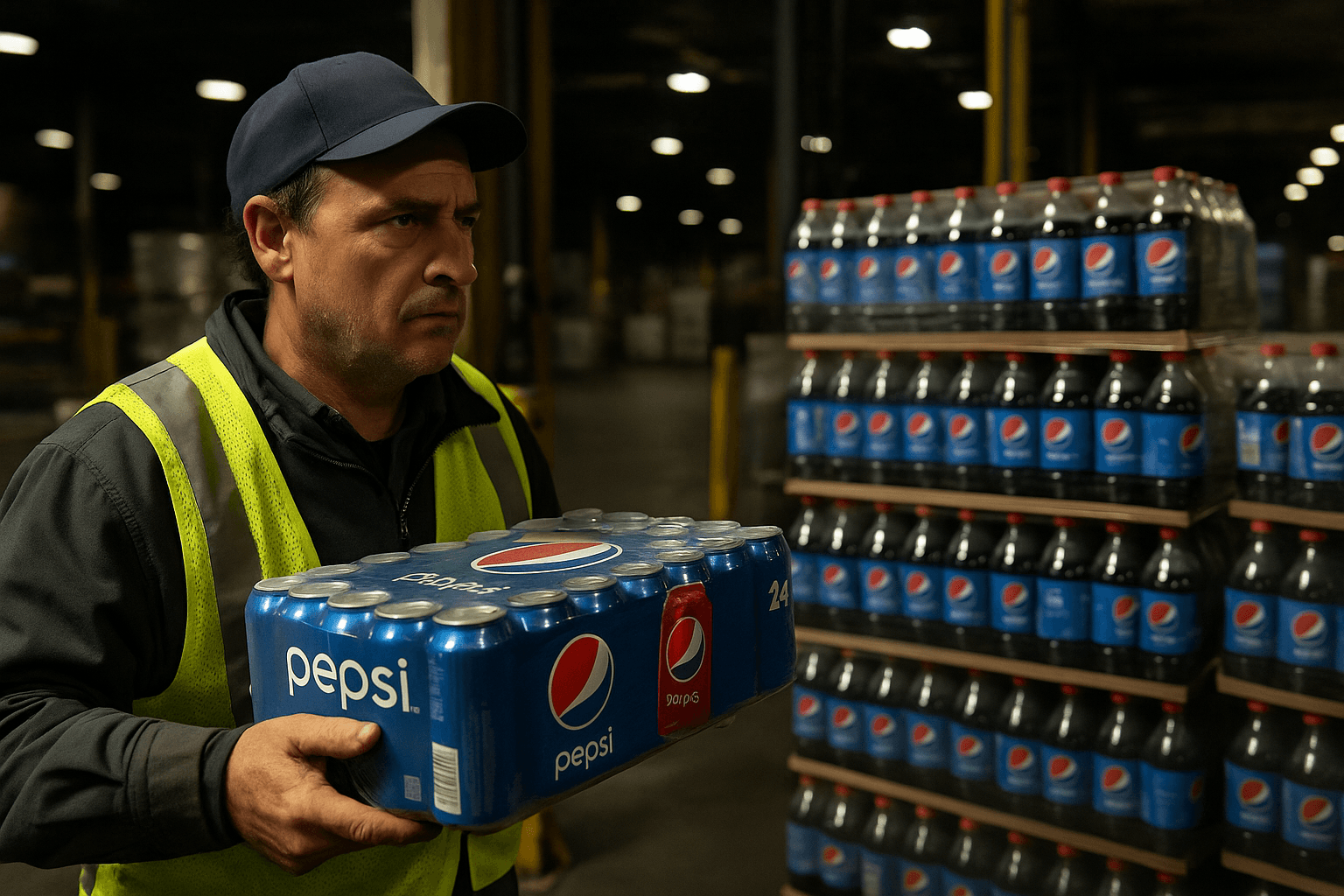
Market implications are likely to extend beyond PepsiCo itself. A major restructuring of North American operations could pressure suppliers and logistics partners to accept tighter terms, and could alter competitive pricing dynamics in categories where PepsiCo holds strong market positions. For retailers and foodservice customers, changes to SKU portfolios or distribution patterns could affect shelf assortment and promotional activity. For workers and local economies, any plant consolidations or network rationalizations would carry implications for employment and regional investment.
Policy and regulatory considerations will matter if the review leads to significant facility closures or cross border shifts. State and local governments often play a role in negotiations over plant investments and workforce transitions, and federal trade and tax policies shape the economics of reshoring and automation investments that companies increasingly consider as part of cost reduction programs.
PepsiCo will provide more detail when it lays out its preliminary priorities and 2026 outlook. Investors and industry watchers will be closely parsing whether the company’s actions emphasize structural efficiency, portfolio pruning, or revenue acceleration, and how those choices balance short term shareholder returns with long term growth resilience in an increasingly competitive and cost sensitive market.