Person of interest released in Brown University shooting, search continues for gunman
Authorities released the lone person of interest detained after a Dec. 13 shooting at Brown University, saying the evidence "now points in a different direction" while investigators continue an active search for the shooter. The move deepens trauma on campus and raises urgent questions about survivor care, community safety, and how public institutions respond to mass violence.

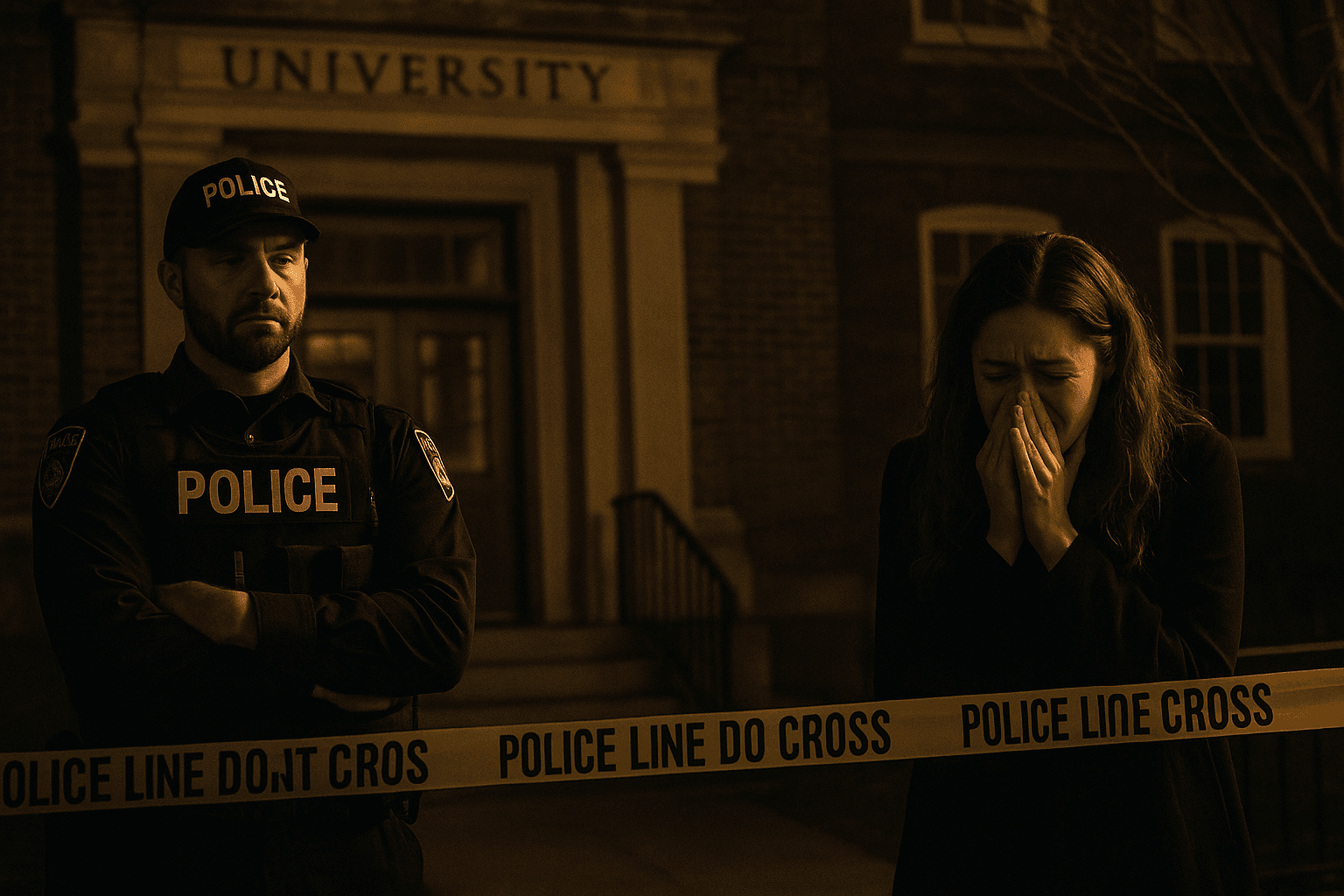
Providence and university officials announced the release of the individual who had been detained in connection with the Dec. 13 attack on a Brown University lecture hall, while emphasizing that the investigation remained active and the suspected gunman had not been identified. The shooting killed two students and wounded nine others, leaving a campus and a city still reeling.
Authorities said they detained a person at a hotel in Coventry roughly 12 hours after the attack, and recovered weapons during that encounter based on law enforcement sources. Officials later concluded that the evidence required them to "regroup" and that the probe "now points in a different direction," Rhode Island Attorney General Peter Neronha told reporters. The individual was released without charges late Sunday night and was not publicly named by police at the briefing. Providence police reported that the release occurred at 12:30 a.m. on Monday, Dec. 15.
Law enforcement sources have identified the person who was detained as a 24 year old from Wisconsin and described him as an Army veteran. Those identifications were not confirmed in the public statements made by investigating officials. Police said they had not identified any other suspects and that investigators remained actively searching for the gunman.
The shooting has strained medical and mental health resources in Providence and at Brown, where campus officials have mobilized counseling and crisis services. Hospitals treated nine wounded patients, including at least one who was initially described as being in critical condition. Two students died in the attack, and their families and friends continue to mourn amid the uncertainty of the continuing investigation.
Beyond the immediate emergency response, the episode underscores recurring public health concerns about gun violence on college campuses and in surrounding communities. Mass shootings create long term needs for trauma counseling, coordinated hospital follow up, and academic accommodations for survivors. Public health experts note that communities facing sudden violence require sustained investment in mental health services, crisis intervention teams, and supports that reduce barriers to care for students from low income backgrounds or marginalized groups who may face disproportionate impacts.
The reported but unconfirmed details about the detained individual also revive debates about how law enforcement balances rapid detention with the need for evidence based investigations that protect due process. Officials defended their actions as part of an evolving inquiry that can pivot as new information is collected. "Investigators had to regroup," the attorney general said, framing the decision to release the person who had been held.
As investigators continue canvassing leads and reviewing forensic evidence, campus leaders and public health officials must also address community safety and recovery. That includes ensuring accessible medical care for survivors, funding for long term counseling, coordination between university services and local hospitals, and transparent communication that rebuilds trust without compromising the criminal probe.
For now, Brown students and Providence residents await the next developments in a case that has already inflicted tragic loss and raised urgent questions about prevention, response, and equity in care for those left to recover.
Know something we missed? Have a correction or additional information?
Submit a Tip