Phillips County Governance and Community Challenges Demand Local Engagement
Phillips County's institutional profile underscores the central role of Helena West Helena in county government and service delivery, along with persistent demographic and economic trends tied to its Delta history. These realities shape policy choices on infrastructure, historic preservation and economic development, making civic participation at quorum court meetings and elections consequential for residents.
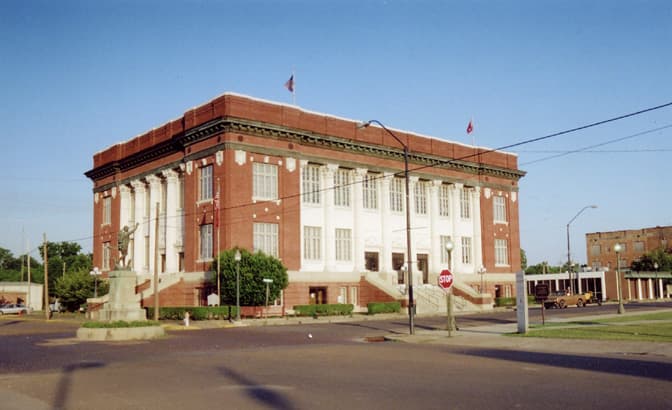
Phillips County sits on the Mississippi River in eastern Arkansas, with the county seat and largest city identified as Helena West Helena. The county's long Delta history informs its cultural landscape and contains numerous historic sites that are important to local identity and tourism planning. Major incorporated places include Helena West Helena, Marvell, Elaine and Lake View, and county services are concentrated in Helena West Helena, making that city the focal point for administration and public access.
County government operates through a quorum court and a county judge, a structure that determines budget priorities, infrastructure investments and the delivery of local services. Decisions by those institutions directly affect road maintenance, emergency services, property tax administration and support for cultural and historic preservation. Because government functions are centered in Helena West Helena, residents in smaller towns face practical questions about geographic access to services and representation on the quorum court.
Demographic and economic patterns in Phillips County matter for policy design and community planning. Population trends typical of Delta counties shape school enrollment, workforce availability and demand for health services. Economic development strategies therefore must account for both the county's historic assets and the need for jobs, broadband access and infrastructure that connect residents to regional markets. Preservation of historic sites intersects with economic interests when tourism can be leveraged to support local businesses, but that requires coordinated planning and investment.

The policy implications are concrete. County budget choices set by the quorum court and the county judge will determine whether the county can expand service accessibility outside of Helena West Helena, invest in flood mitigation and transportation, and support small town revitalization. Voting patterns at local elections influence who occupies decision making roles and who sets those priorities. Civic engagement at the level of precincts, municipal meetings and quorum court sessions is therefore an essential lever for residents seeking influence over public spending and planning.
For residents, the stakes are practical. Engaging with the county judge's office, attending quorum court meetings, and participating in local elections will shape how services are delivered and which projects move forward. As Phillips County balances historic preservation with economic needs, effective local governance will depend on transparent decision making and active civic participation across Helena West Helena, Marvell, Elaine and Lake View.
Sources:
Know something we missed? Have a correction or additional information?
Submit a Tip