Point Hope Faces Coastal Threats, Community Plans for Adaptation
Point Hope residents are confronting accelerating coastal erosion and changing sea ice that threaten homes, cultural sites, and subsistence patterns, prompting local leaders to prioritize adaptation and cultural preservation. For a community of about 830 people, limited access and basic local services magnify the economic and social stakes of those environmental shifts.
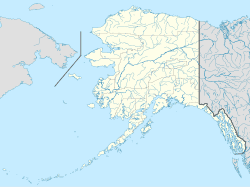
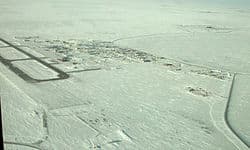
Point Hope sits on a triangular spit of land extending into the Chukchi Sea, about 250 miles southwest of Utqiagvik by sea or air. The village of Tikiġaq has been continuously occupied for centuries and remains an active whaling and subsistence community, but rising coastal erosion, shifting sea ice, and more intense storm surges are increasing risks to infrastructure and cultural sites. Those environmental changes have become a central concern for residents and tribal leaders as they discuss adaptation strategies and cultural preservation.
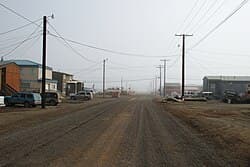
Access to the village is restricted to air service at Point Hope Airport and to seasonal barge delivery. There are no road connections, which elevates the cost and logistical complexity of moving goods, delivering construction materials, and transporting patients. Point Hope provides basic services including Tikiġaq School operated by the North Slope Borough School District, tribal offices, a local store, and basic health services. For major medical care or specialized services residents generally travel to Utqiagvik or other regional hubs, a reality that underscores the community sensitivity to any disruption of transport links.
Subsistence hunting remains central to local food security and culture, with bowhead whaling, seal hunting, and fishing forming the backbone of seasonal activity. Community events and traditions such as Qagruġvik, the whaling feast, as well as local arts and crafts anchor social life and intergenerational knowledge transmission. The vulnerability of shoreline camps, whaling access points, and other cultural sites to erosion and storm surge therefore carries both economic and intangible cultural costs.
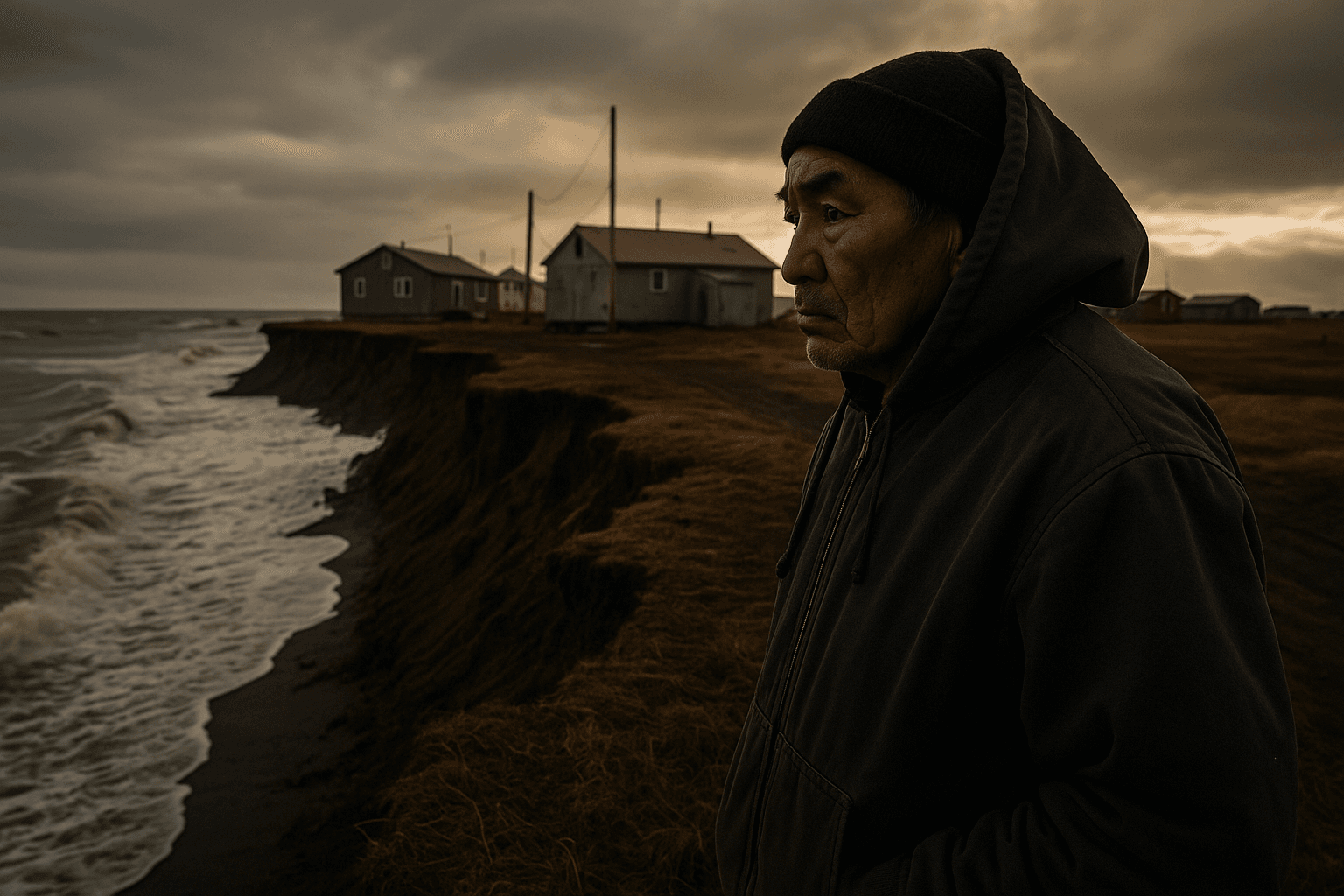
From a policy and economic perspective the village faces trade offs between shore protection, relocation options, and investments in resilient infrastructure. The combination of small population size, remote location, and lack of road access raises per capita costs for any large scale project, while the subsistence economy reduces households reliance on purchased food but increases exposure to changes in marine ice and wildlife patterns. Continued community led planning, targeted federal and state investment, and coordination with North Slope Borough agencies will be essential to preserve both livelihoods and cultural continuity.
Visitors should respect subsistence activities, obtain permission before photographing people or hunting operations, and plan travel and lodging well in advance. Community events may be limited to residents, and coordination with tribal or city offices is recommended for current local schedules and guidance.