Portugal’s crowded presidential race heads to likely runoff with far-right
Voters face a record 11-candidate ballot that is likely to produce a second round, with a far-right leader emerging as a central figure shaping political and policy debates.
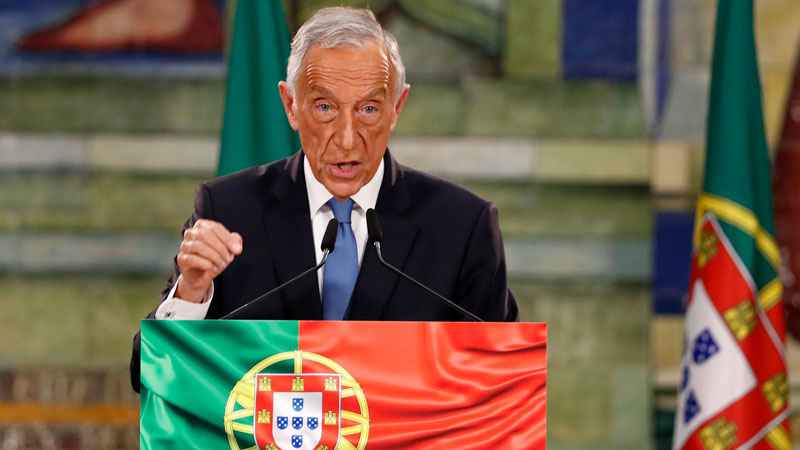
Portugal is voting in an unusually fragmented presidential election that pollsters expect will produce a second-round runoff, with the leader of the far-right Chega party poised to be one of the central figures. The contest has drawn a record 11 candidates and sharp public attention because the presidency, while largely ceremonial, has constitutional powers to dissolve parliament, call snap elections and veto legislation—tools that could reshape governing dynamics in an already fragmented party system.
Polling stations opened at 08:00 and will remain open until 19:00 local time for an electorate just over 11 million. Exit polls and first-round totals are expected later this evening, with exit projections scheduled for 20:00. Under the constitution, a candidate must secure more than 50 percent of valid votes to win outright; otherwise the top two finishers advance to a runoff roughly two weeks later, with tentative dates reported as either Feb. 1 or Feb. 8.
A pre-election Pitagórica poll released Friday showed a tight three-way contest. The survey put Socialist Antonio José Seguro at 25.1 percent, André Ventura of Chega at 23.0 percent and Joao Cotrim de Figueiredo of the Liberal Initiative at 22.3 percent. Several other figures carried realistic hopes of reaching the second round, including Luis Marques Mendes, backed by the ruling centre-right Social Democrats, and Admiral Henrique Gouveia e Melo, the widely publicized architect of Portugal’s COVID-19 vaccination campaign. Voters in Lisbon queued at polling stations and voiced frustration with the crowded field. One voter, Jose Pereira, reflected that sentiment: “With so many, it's harder to choose, because everyone has their own opinion and their own way of being.”
Chega’s rise has reshaped Portugal’s political landscape. In last May’s parliamentary election the party won 22.8 percent of the vote and secured 60 seats, overtaking the Socialists to become the main opposition. Described as far-right, anti-establishment and anti-immigration, Chega’s growth has already shifted public debate on migration and national identity and deepened voter dissatisfaction with mainstream parties, contributing to the unusually crowded presidential field.

Analysts widely expect no outright winner tonight and foresee a runoff where vote transfers will be crucial. Poll projections suggested that while Ventura could top the first round, he would be vulnerable in a head-to-head contest against any of the other leading candidates. The election is being cast as the first genuinely open presidential contest in decades; it would be only the second presidential runoff since the restoration of democracy and the first since 1986 in which a first-round victor was not declared.
Beyond the immediate political arithmetic, the result has implications for public health policy and social equity. A presidency that tilts toward anti-immigration rhetoric could affect vulnerable communities’ access to services and shape national discourse on migrant rights, health access and social inclusion. Conversely, a vote for figures associated with public health leadership, such as the vaccination campaign chief, could reinforce technocratic approaches to crisis management and trust in institutions. With parliamentary fragmentation and elevated social tensions, the next president’s ability to influence agendas through vetoes or calls for elections will carry weight for governance, community trust and the equitable delivery of public services.
Sources:
Know something we missed? Have a correction or additional information?
Submit a Tip

