POSCO Deal Strengthens Alaska LNG Project, Boosts North Slope Prospects
Glenfarne’s Alaska LNG unit finalized a 20 year agreement on December 4, 2025 to supply about 1 million tonnes per year of liquefied natural gas to POSCO International, while POSCO committed capital and to supply a significant portion of steel for the planned pipeline. The binding offtake and investment adds momentum toward a final investment decision for a pipeline and liquefaction project that would move North Slope gas to a Southcentral Alaska export terminal, with implications for local jobs, contracting and permitting.
Glenfarne’s Alaska LNG unit completed a binding 20 year supply agreement on December 4, 2025 to deliver roughly 1 million tonnes per year of liquefied natural gas to POSCO International. The contract builds on a preliminary September agreement and includes a POSCO capital commitment and a pledge to supply a substantial share of the steel required for the planned pipeline that would carry North Slope gas to a liquefaction and export terminal in Southcentral Alaska.
The deal represents the most concrete commercial commitment to date for the project since Glenfarne became the lead developer earlier in 2025. Glenfarne previously reported preliminary commitments from buyers in Japan, Korea, Taiwan and Thailand that together amount to multiple millions of tonnes per year. The POSCO agreement converts a portion of that interest into a binding offtake and brings an upstream supply element for pipeline materials, both factors that lenders and contractors typically weigh when assessing project finance and construction readiness.
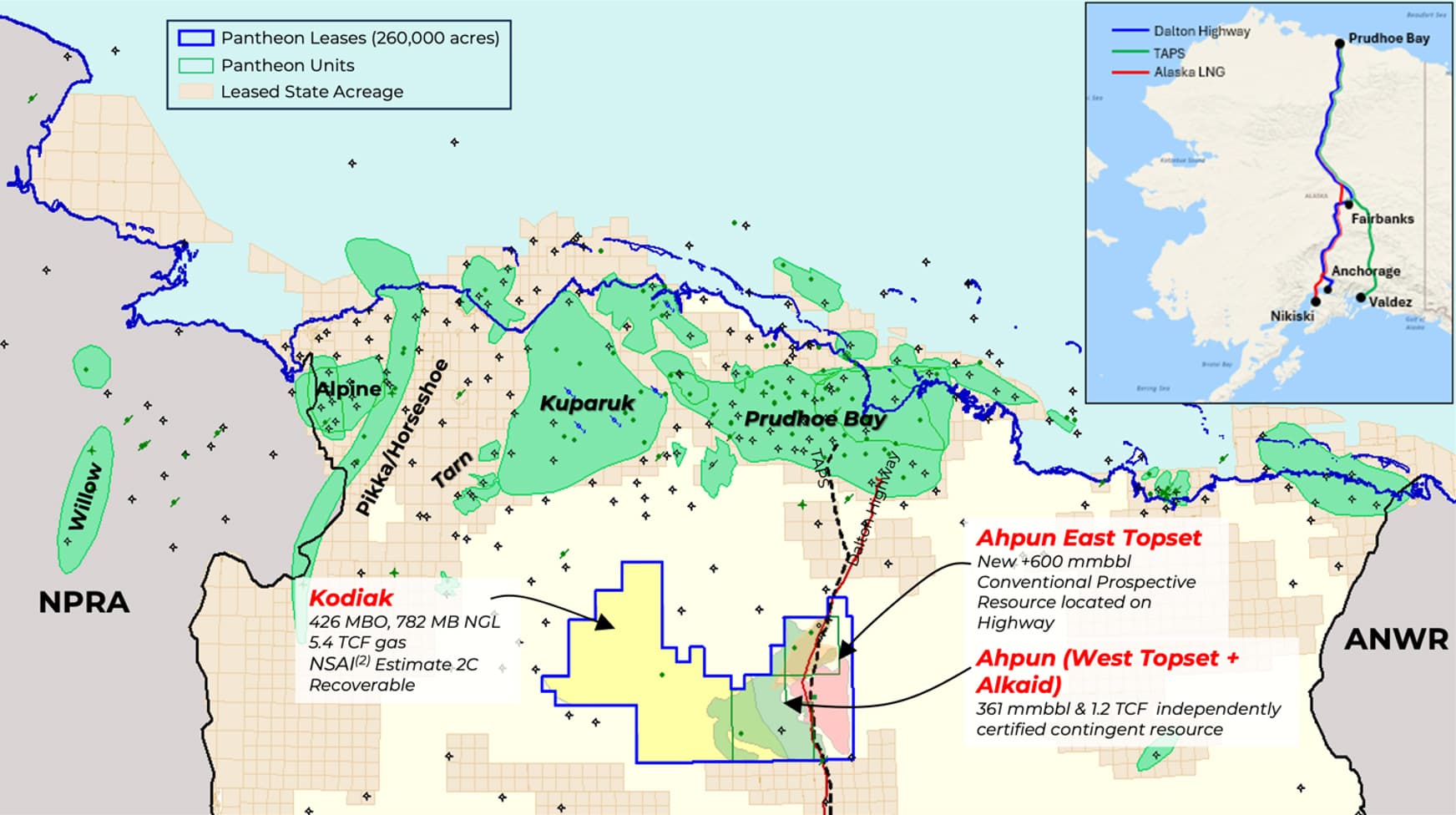
For North Slope Borough residents the agreement matters because it directly strengthens the business case for moving gas from the region. A binding long term buyer helps underpin projected export volumes, which in turn affects permitting schedules, procurement plans and contractor selection that will determine local employment and contracting opportunities. POSCO’s commitment to provide steel for the pipeline could influence supply chains and the origin of major materials used in construction.

Significant steps remain before construction begins. The project still requires additional binding commercial commitments, final financing, regulatory permits and community agreements. If those conditions fall into place, the POSCO agreement could accelerate planning and contracting timelines and make a final investment decision more likely. In the broader context, the deal reflects persistent Asian demand for LNG and the strategic value of North Slope gas to long term energy markets, while raising questions about how benefits and responsibilities will be distributed across local communities, regulatory bodies and project partners.