Powerful 7.6 Earthquake Strikes Japan Northeast Coast, Tsunami Alerts
A powerful undersea earthquake measuring 7.6 strikes off Japan’s northeast coast late on December 8, prompting tsunami warnings and evacuation orders for coastal communities. Authorities report dozens of injuries, rail and power disruptions, and limited structural damage, while officials warn of aftershocks and urge residents to stay alert.
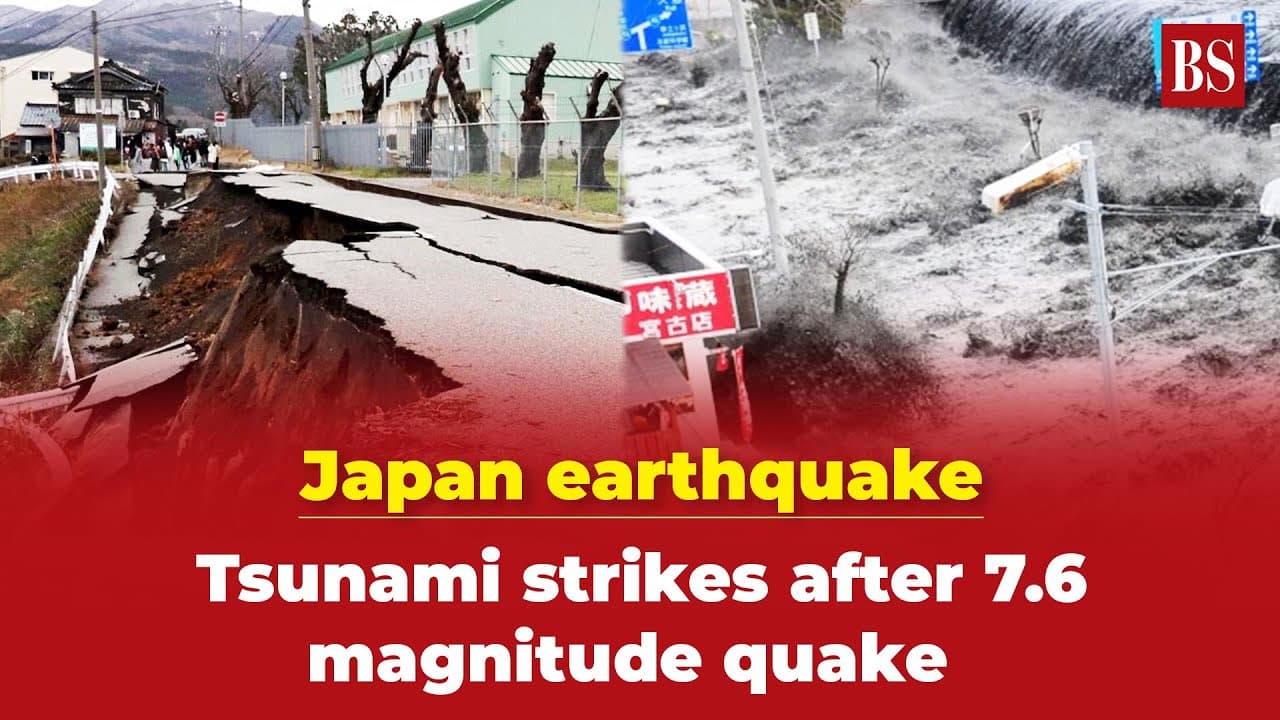
A major undersea earthquake measuring about 7.6 strikes off the northeastern coast of Japan late on December 8, producing strong shaking across Aomori prefecture and prompting tsunami warnings and evacuation orders for coastal areas. The Japan Meteorological Agency initially warned of tsunami waves up to about 3 metres in parts of Hokkaido, Aomori and Iwate. Officials say observed tsunami heights were much smaller in most locations, but coastal evacuations were ordered as a precaution.
Local authorities report dozens of people injured, mostly with minor to moderate wounds, and say early damage assessments show limited structural destruction. Rail services across the affected region are disrupted, with both local commuter lines and some longer distance services suspended while inspections take place. Electricity outages are reported in multiple municipalities, affecting households and some industrial facilities, though utility companies are mobilizing crews to restore service.
The immediate human impact appears contained compared with past catastrophic events, but economic and infrastructure disruptions are already evident. Regional ports and fishing operations are temporarily halted in areas placed under evacuation orders, constraining deliveries and fresh seafood shipments that typically move on tight schedules. Rail interruptions complicate commuting in urban centers and delay freight, potentially slowing manufacturing supply chains that depend on timely rail and road links.
Insurance and reconstruction sectors are likely to be monitored closely in the coming days. While early assessments indicate limited structural damage, higher claims might follow from localized damage to coastal facilities, fishing vessels and utilities. Emergency spending and reconstruction work often deliver a near term boost to local construction activity, but they also require government coordination and budget allocations that can displace other planned investments.
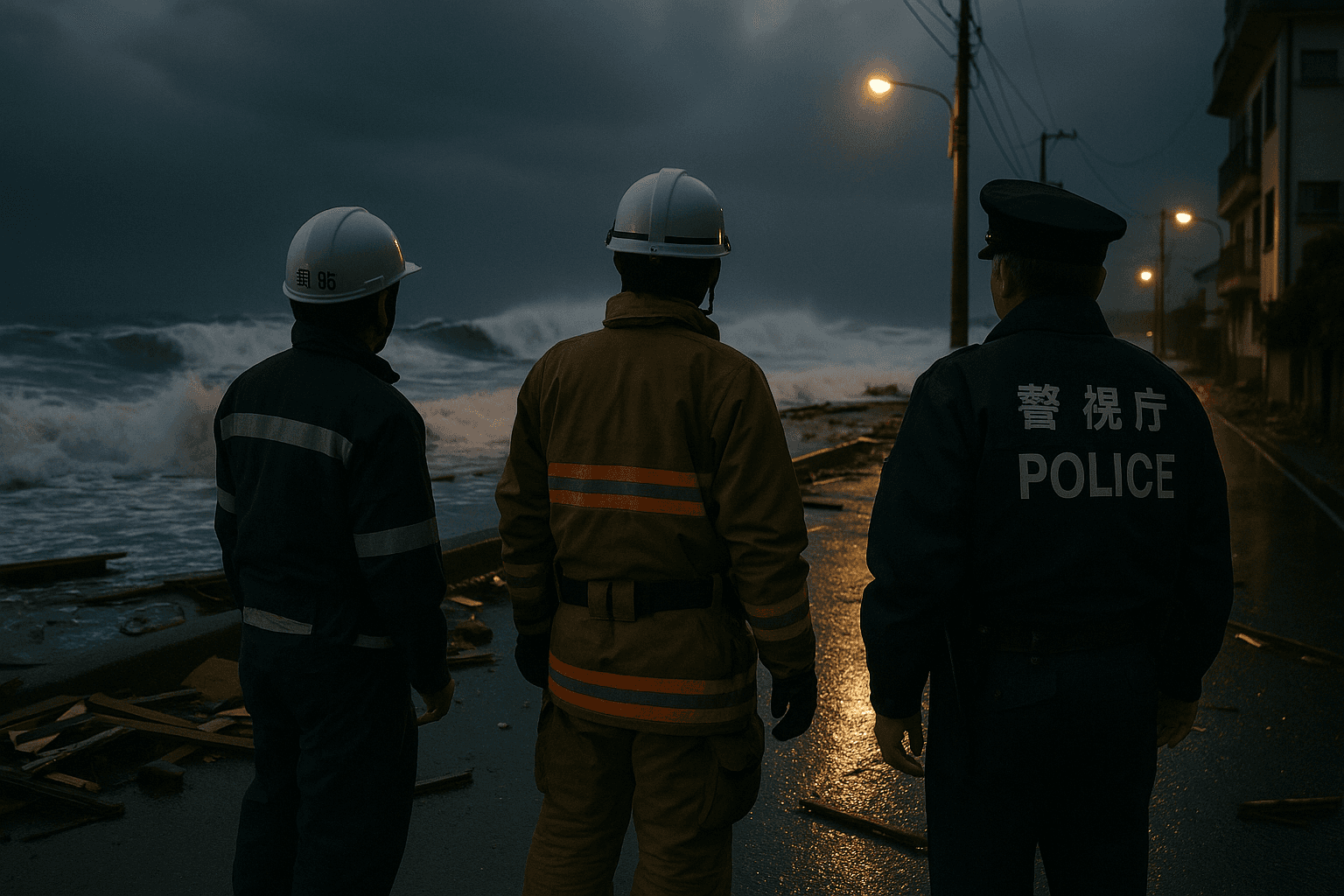
Officials caution that aftershocks remain likely and could produce additional shaking and localized tsunami risk. Japan’s agencies emphasize rapid inspections of critical infrastructure including bridges, sea walls and rail lines. The government’s disaster response apparatus, honed since the 1995 Kobe earthquake and further tested by the 2011 Tohoku disaster, is activating evacuation centers and search and rescue resources while monitoring coastal sensors and sea level readings.
From a market perspective, the immediate effect is expected to be concentrated and short lived, given Japan’s high resilience and robust emergency protocols. Key variables to watch include the duration of power outages, the time required to restart rail freight corridors, and any material damage to port facilities that handle exports. Energy demand patterns could shift temporarily if industrial customers curtail operations, and insurance companies may see a spike in smaller commercial and household claims.
For residents, the message from authorities is clear, evacuate where ordered and prepare for continued seismic activity. For policymakers, the event is a reminder of the ongoing need to invest in resilient infrastructure, maintain rapid response capabilities, and ensure that supply chains can withstand episodic natural shocks.