Practical Downtown Baker City Walking Guide for Winter Visitors
This walking guide outlines parking, historic stops, food and arts options, and safe routes for visiting downtown Baker City during winter. It matters because cold weather, reduced business hours, and mobility barriers affect residents and visitors, and knowing where to find warm meals, accessible routes, and community resources supports public health and local equity.
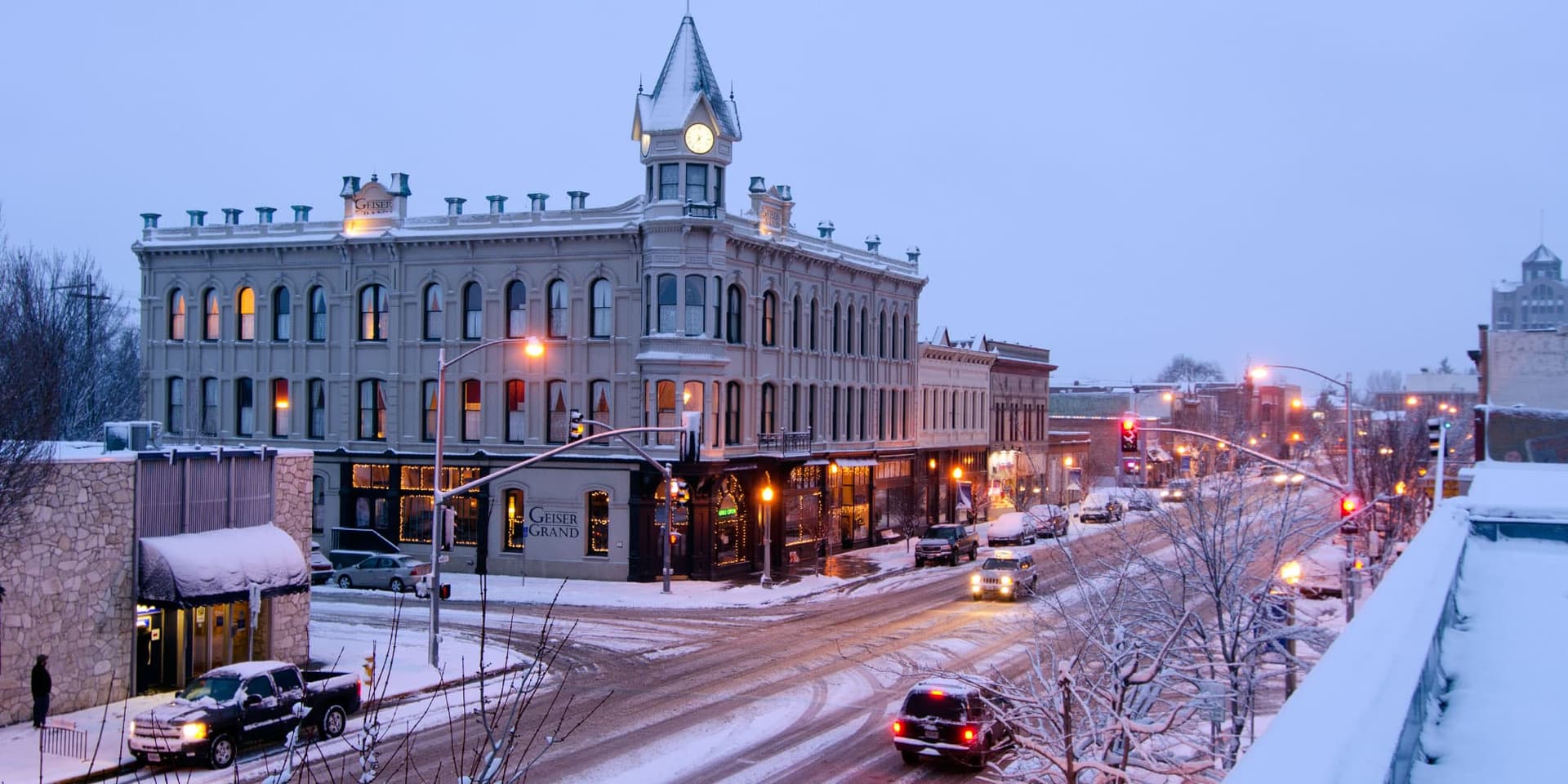
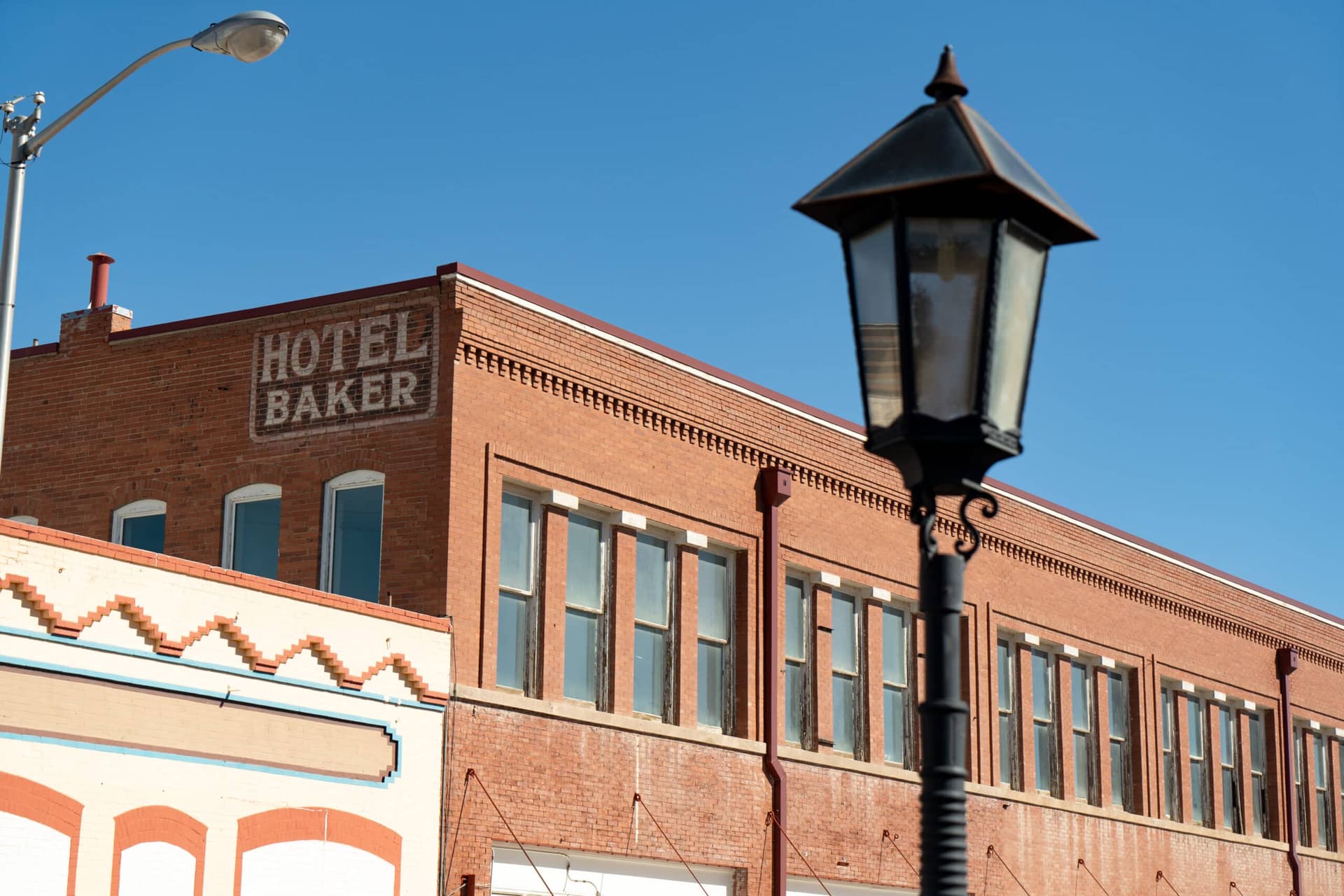
Downtown Baker City remains compact and walker friendly, but winter conditions change how people move and where they find services. Short term parking is concentrated on streets around Main Street, and public lots are located near Geiser Pollman Park. Plan for icy lots and limited curbside clearing by allowing extra time, and use the lots near the park for more level access. Several curb cuts and ramps provide ADA access to Main Street though some sidewalks are steep or uneven, so choose routes that stay on the flatter blocks in front of the Hotel Baker and Baker Tower.
Historic architecture and public art anchor the downtown loop. The Hotel Baker and Baker Tower stand prominently on Main Street, and the restored Geiser Grand Hotel is a short walk from the center. The Baker County Courthouse and a series of murals and bronze sculptures make for an accessible walking tour without long distances. For a longer outing drive east to Flagstaff Hill for the Oregon Trail Interpretive Center which offers broader context about the region for visitors who can travel a few minutes by car.
Food options include longstanding downtown cafés and diners that provide hot meals and shelter from cold weather, plus seasonal pop up bakeries during the holidays. Many small restaurants operate reduced winter hours, so verify hours before you go and consider calling ahead if you need a hot meal at a specific time. Local galleries and small theaters keep an active arts calendar with openings and community productions, and winter events such as parades and Festival of Trees preview nights are usually concentrated on Main Street and in the park.
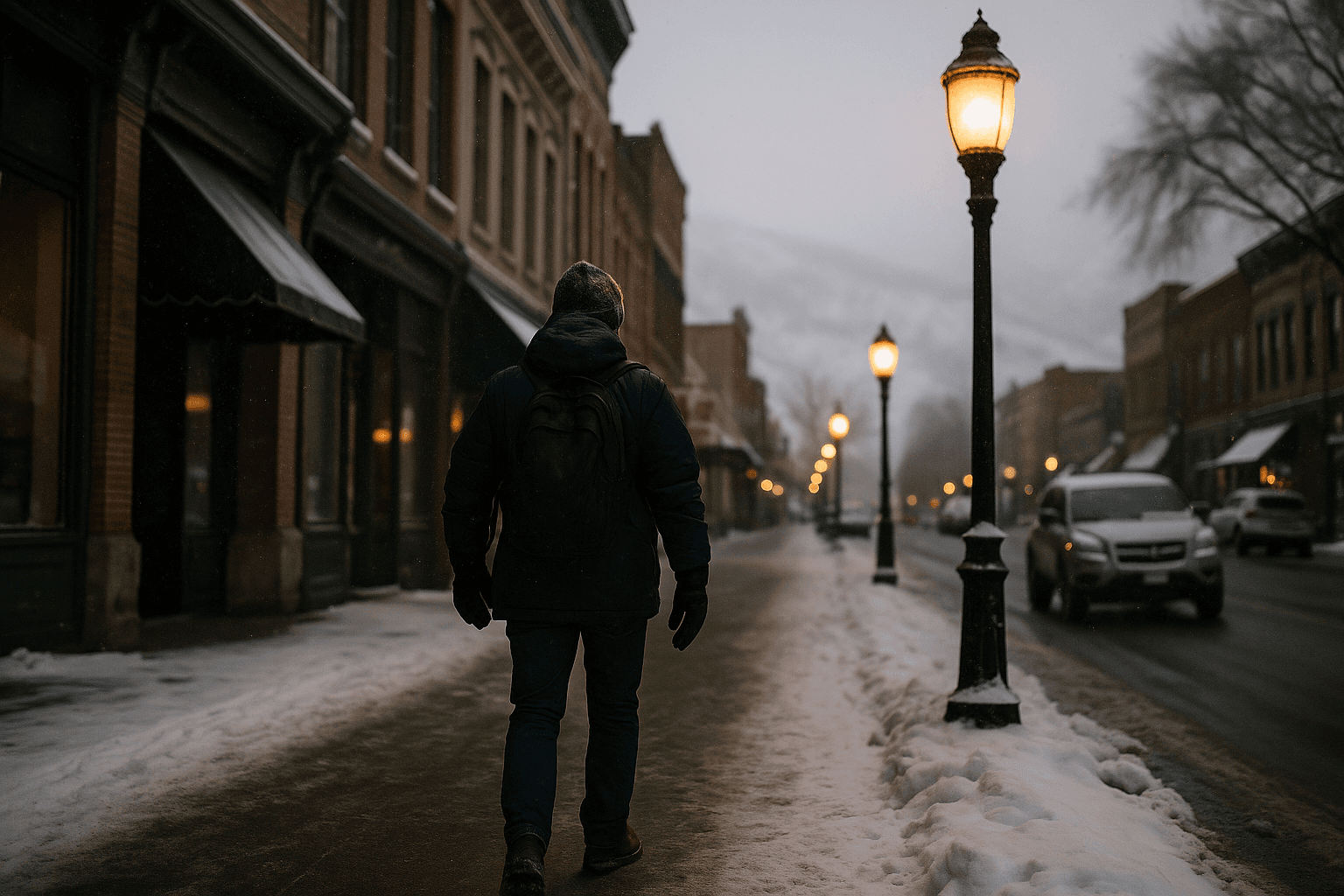
Public health and equity considerations are central in winter. Cold exposure, limited mobility, transportation gaps, and reduced food service hours increase risk for older adults and people with disabilities. Churches and community centers often coordinate warming spaces and winter aid, and residents without reliable transport may need assistance reaching those resources. Local policy that supports consistent sidewalk maintenance, funding for warming shelters, and reliable transit connections would reduce health risks and strengthen downtown businesses that rely on seasonal visitors. Verify current hours, plan a flatter route if walking is difficult, and consider timing visits during daylight for safer walking and better access to services.