Practical Keyboard Tuning Techniques for Better Sound and Feel
This comprehensive tuning guide compiles proven techniques to improve mechanical keyboard acoustics, consistency, and typing feel, covering stabilizers, switch films, spring swaps, case foam, plate materials, and keycaps. Following a methodical approach that changes one variable at a time helps builders and modders achieve predictable results and avoid common mistakes.
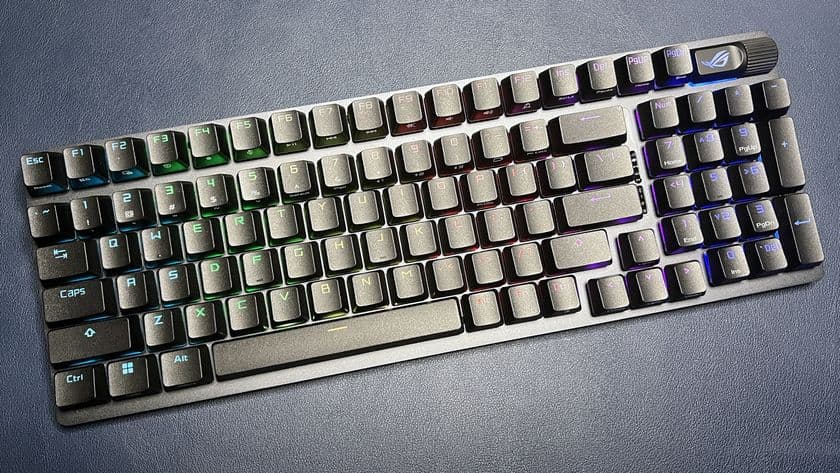
A concise, practical tuning playbook offers a roadmap for anyone building or refining a custom keyboard, focusing on sound profile, key feel, stabilizer rattle, and consistency across the board. The guide prioritizes the changes that deliver the biggest impact, and it emphasizes testing after each adjustment so you can isolate what actually alters the sound or feel.
Stabilizers are a frequent source of rattle and inconsistency. Understand the difference between clamp style stabilizers and plate mounted stabilizers, and consider higher quality units such as ZealPC or Cherry style replacements. Common mods include clipping where applicable, lubing stabilizer housings and wires with a light amount of grease such as dielectric grease or Krytox 105, and adding a band aid or foam mod to pad the area under larger keys. Use grease sparingly to avoid sluggish travel.
Switch films and spring swaps are simple ways to tune wobble and actuation characteristics. A thin film placed between the top and bottom housing reduces lateral play and alters the acoustic signature. Swapping springs adjusts the force curve, so choose lighter springs for faster typing with less resistance, and heavier springs for a firmer feel and stronger rebound.
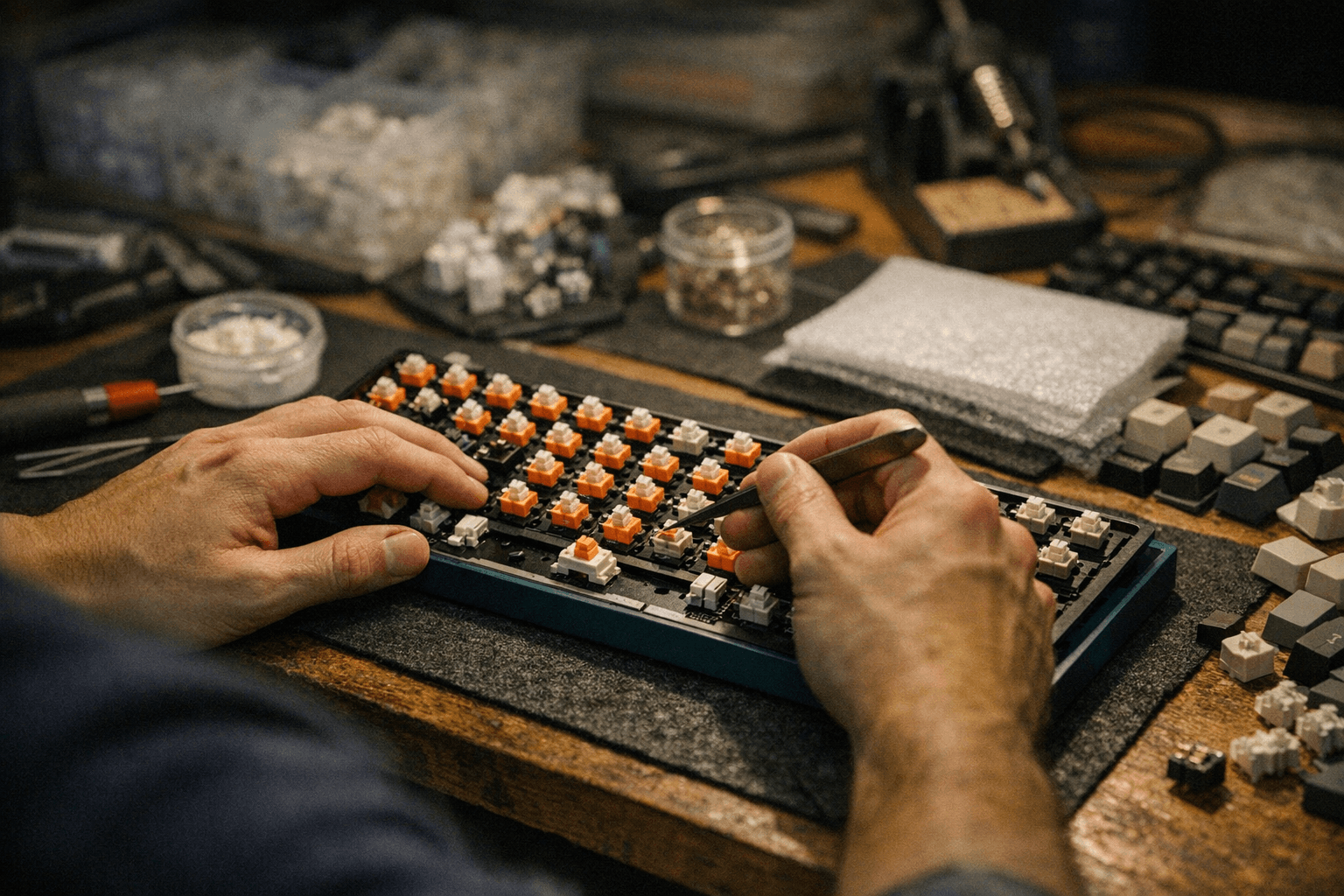
Case damping and mounting style control resonance. Adding foam between the plate and case, or using top or bottom case foam, reduces unwanted ringing. Gasket mounting, tray mounting, and screw in mounting each transfer energy into the case differently, so match the mounting style to the sonic target. Plate material matters too. Aluminum, brass, polycarbonate, and FR 4 plates change vibration and sustain in distinct ways.
Keycaps influence tone and feel as well. Profile choices such as SA, Cherry, and OEM, along with material differences between PBT and ABS and cap thickness, all alter sound and finger response. The practical tuning process is simple, change one variable at a time, then test acoustics and feel before proceeding. Essential tools include a switch opener, spring puller, lubes, switch films, stabilizer grease, and assorted foams. This structured approach makes improvement repeatable, accessible, and fun for builders at any level.
Sources:
Know something we missed? Have a correction or additional information?
Submit a Tip