Prince George's Libraries Expand Programs for Children and Teens Countywide
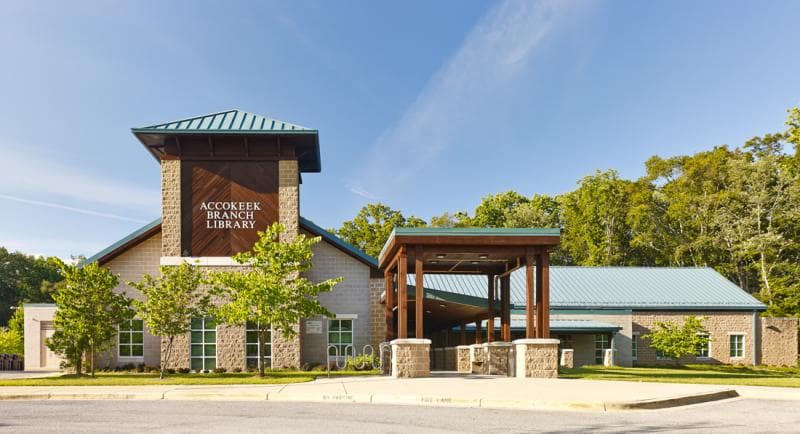
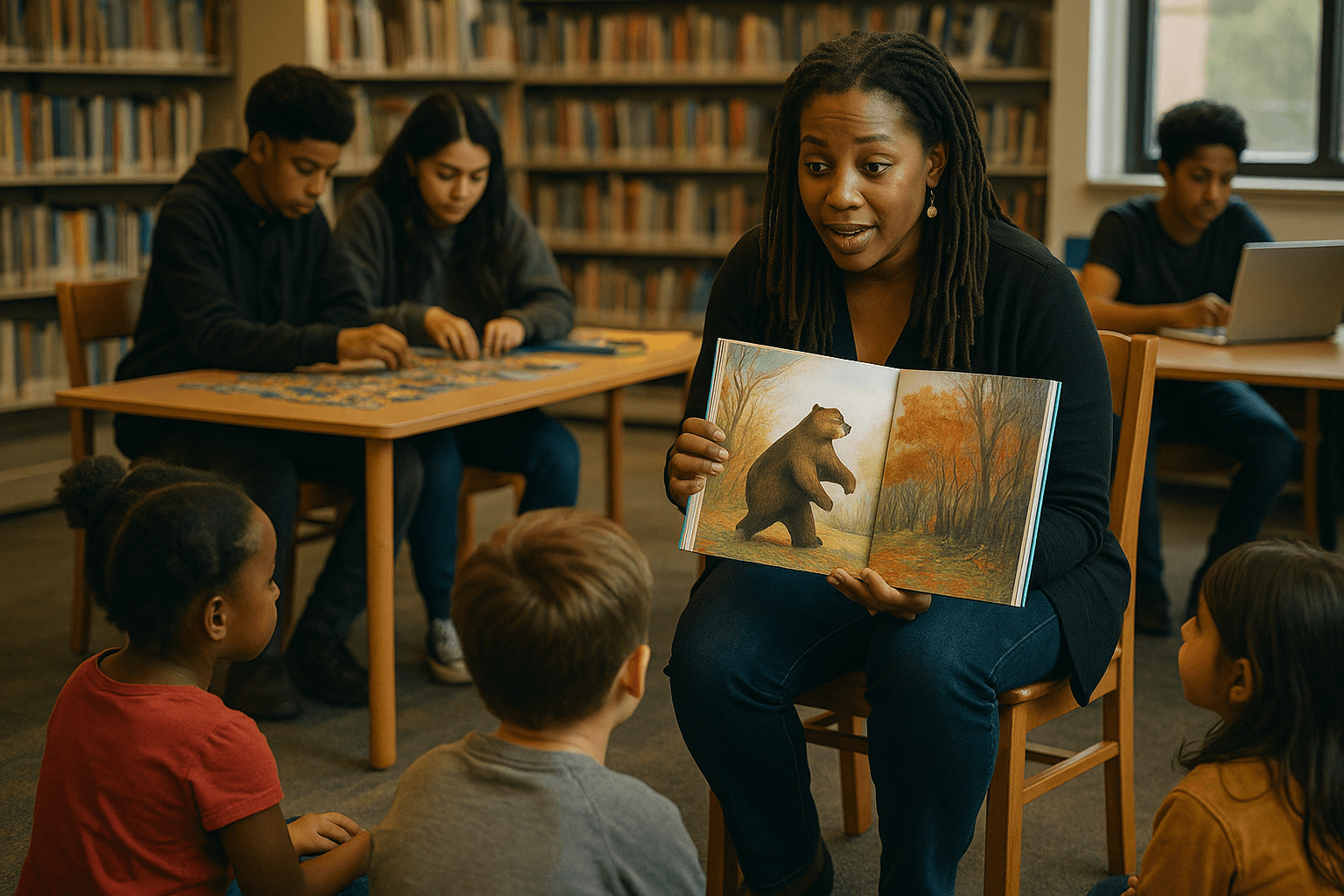
The Prince George's County library system posted multiple family, teen, and children's programs on and around December 6, 2025, offering activities such as Puzzlepalooza, Kids Create, Teen Leadership sessions, and Ready 2 Read storytimes at branches including Greenbelt, Hyattsville, Accokeek, Glenarden, and Surratts Clinton. These free events deliver early literacy support, youth development opportunities, and community connection, and they matter to residents who rely on library programming for childcare relief, learning enrichment, and social supports.
On December 6, 2025 the county library system listed a range of programs aimed at children, teens, and families across multiple branches. Listings included times, locations, target age groups, and instructions for registration. Examples across the calendar that week included Puzzlepalooza and Kids Create sessions for younger children, Teen Leadership workshops for adolescents, and additional Ready 2 Read storytimes designed to bolster early literacy.
The quick snapshot of events reflects the library system acting as a hub for education and social connection outside school hours. For families juggling work and caregiving responsibilities, regular programming can serve as affordable enrichment and informal childcare that supports cognitive development and social skills. For teens, leadership sessions offer constructive spaces to practice decision making, community engagement, and resilience building at a time when mental health supports are in high demand.
Public health and equity implications are clear. Access to free, close to home programming helps reduce disparities in early childhood experiences that correlate with long term health and educational outcomes. Libraries that offer targeted storytimes and skill building can contribute to better school readiness and reduce stress on households with limited resources. However, reliance on posted calendars and registration processes can create barriers for residents who lack reliable internet access or transportation. Capacity limits at popular sessions may further exclude families in high need.
Sustaining and expanding these offerings requires attention from county leaders and funders. Investment in outreach to underserved neighborhoods, support for branch staffing, and alternative registration pathways such as phone sign ups can make programs more inclusive. Partnerships between public health departments, schools, and libraries could amplify impact by linking families to immunization clinics, nutrition resources, and mental health services during routine visits.
Residents interested in upcoming programs should check their branch calendars or contact local branches directly for times and registration details. As the library continues to animate community spaces, maintaining equitable access will determine whether these opportunities translate into measurable improvements in child health, family stability, and neighborhood well being.