PSC Sets Hearing on West Virginia-American Water Purchase
The West Virginia Public Service Commission on Jan. 9 set a full procedural schedule and an evidentiary hearing for a contested petition that would allow West Virginia-American Water Company to acquire the utility assets of Armstrong Public Service District and two other small systems in Fayette County. The West Virginia Department of Environmental Protection intervened, raising concerns about undisclosed debts and grant-repayment obligations that could affect ratepayers and taxpayers across the state.

The Public Service Commission of West Virginia on Jan. 9 established a timetable and scheduled an evidentiary hearing for March 27, 2026, in Charleston in a contested petition that would permit West Virginia-American Water Company to acquire the water and wastewater assets of Armstrong Public Service District and two additional small Fayette County systems. The commission also ordered the parties to meet and confer to address outstanding issues before the hearing.
The West Virginia Department of Environmental Protection has formally intervened in the case, asserting that the Asset Purchase Agreement may not fully disclose debts owed to the DEP and may fail to resolve repayment obligations tied to grants and loans attached to the systems. The DEP’s involvement draws attention to the potential for environmental and infrastructure funding to carry hidden liabilities into a sale, a concern that could shift costs to ratepayers or state and local taxpayers if not explicitly handled.
The commission set firm deadlines in the procedural schedule. Interested parties must file for intervention by 4 p.m. on Jan. 22, 2026. The joint applicants are required to file direct testimony by 4 p.m. on Jan. 29, 2026, and discovery requests must be submitted by 4 p.m. on Feb. 13, 2026. Staff and intervenor direct testimony is due by 4 p.m. on Feb. 25, 2026, with rebuttal testimony to be filed by 4 p.m. on March 4, 2026.
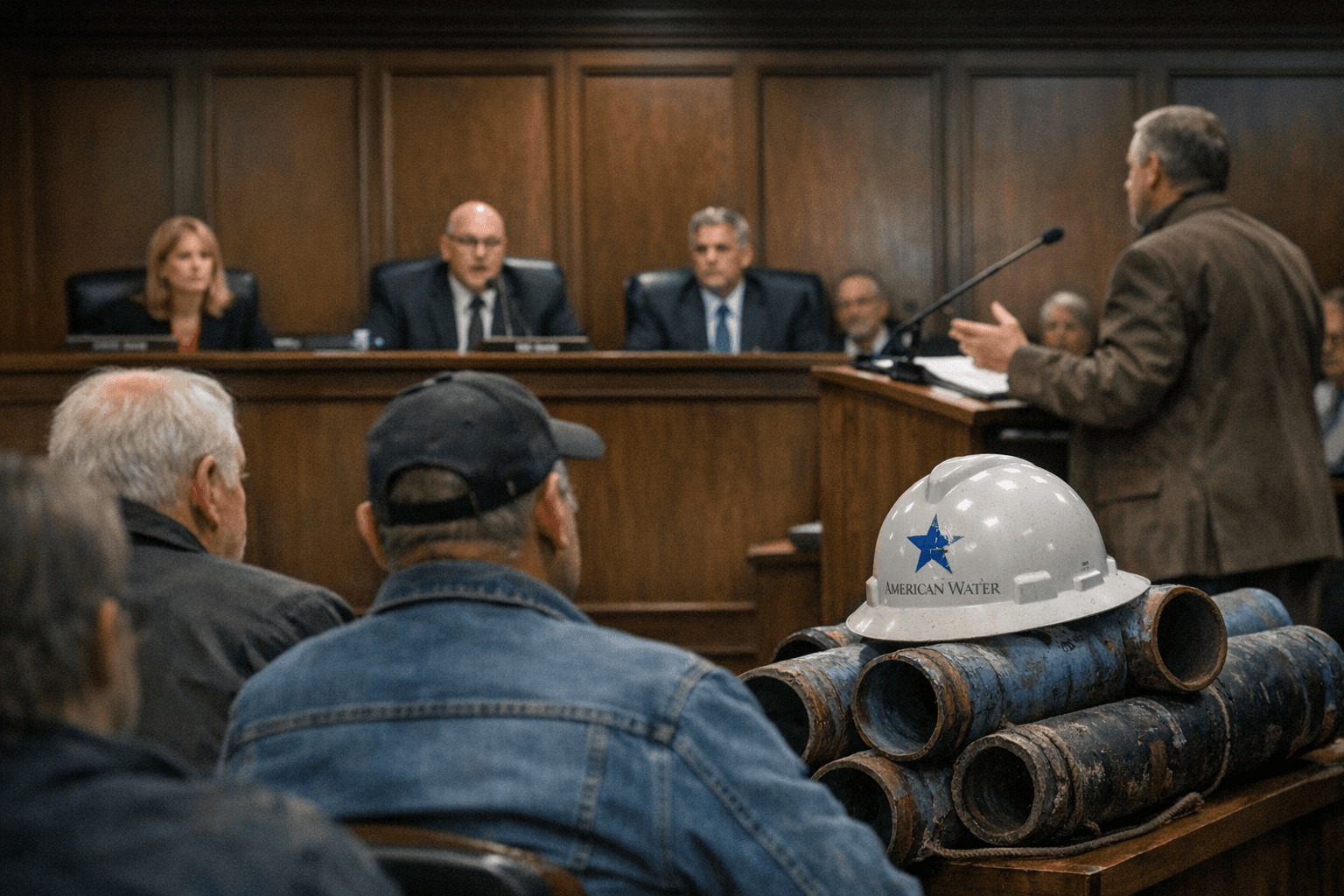
For residents and officials in McDowell County, the proceeding is more than a Fayette County matter. Many Appalachian counties operate small, publicly owned water and sewer districts that rely on state or federal grants and low-interest loans for capital projects. The central questions before the commission—whether transfer agreements disclose all outstanding environmental debts and how grant-related repayment obligations will be allocated—could set a precedent for future transfers elsewhere in West Virginia. If obligations are left unresolved, ratepayers could face higher bills or county taxpayers could be called on to cover shortfalls.
The case will be closely watched for its treatment of grant and loan repayment language in asset purchase agreements and for how regulators balance infrastructure consolidation with protection of public funding. Local officials and ratepayers should monitor filings and consider the Jan. 22 intervention deadline if they have direct stakes in similar utility transfers or in the precedent this proceeding may establish.
Sources:
Know something we missed? Have a correction or additional information?
Submit a Tip