PSE warns Island County customers about fake bill emails
Puget Sound Energy alerted customers on December 5 that a fraudulent email impersonating a bill payment notice is circulating, using PSE branding and attachments or links that may contain malware. Residents should delete the message, avoid clicking links, and verify billing notices address them by full name to prevent financial harm and service disruption.
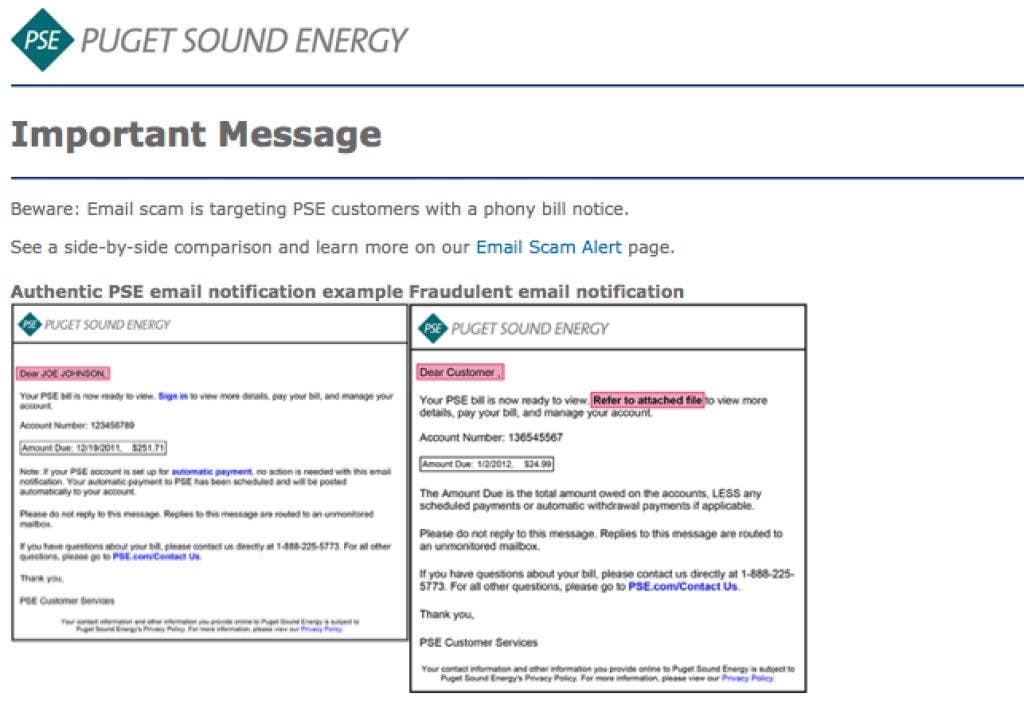
Puget Sound Energy alerted Island County customers on December 5 after identifying a phishing email that mimics an official bill payment notice. The scam uses PSE branding and includes links or attachments that could install malware or harvest personal data. The message often opens with the generic salutation 'Dear Customer' rather than addressing recipients by full name, a distinction PSE says legitimate billing notices use.
The fraudulent email features an instruction presented in bold that reads 'Refer to the attached file', a tactic designed to prompt recipients to open a document that may carry malicious code. PSE advised customers to delete the message and not click any links or open attachments. The utility also urged anyone who suspects they received a scam to contact PSE directly using contact information from their bill or the official PSE website.
The direct risk to Island County residents includes potential identity theft, financial loss, and the possibility of compromised devices that could disrupt bill payment or other household services. For households on fixed incomes and older residents who are statistically more likely to be targeted by fraud, even small losses can have outsized consequences. For the utility, successful phishing campaigns can increase call volumes, slow bill processing, and raise customer service costs, all of which can strain local operations during a busy billing season.
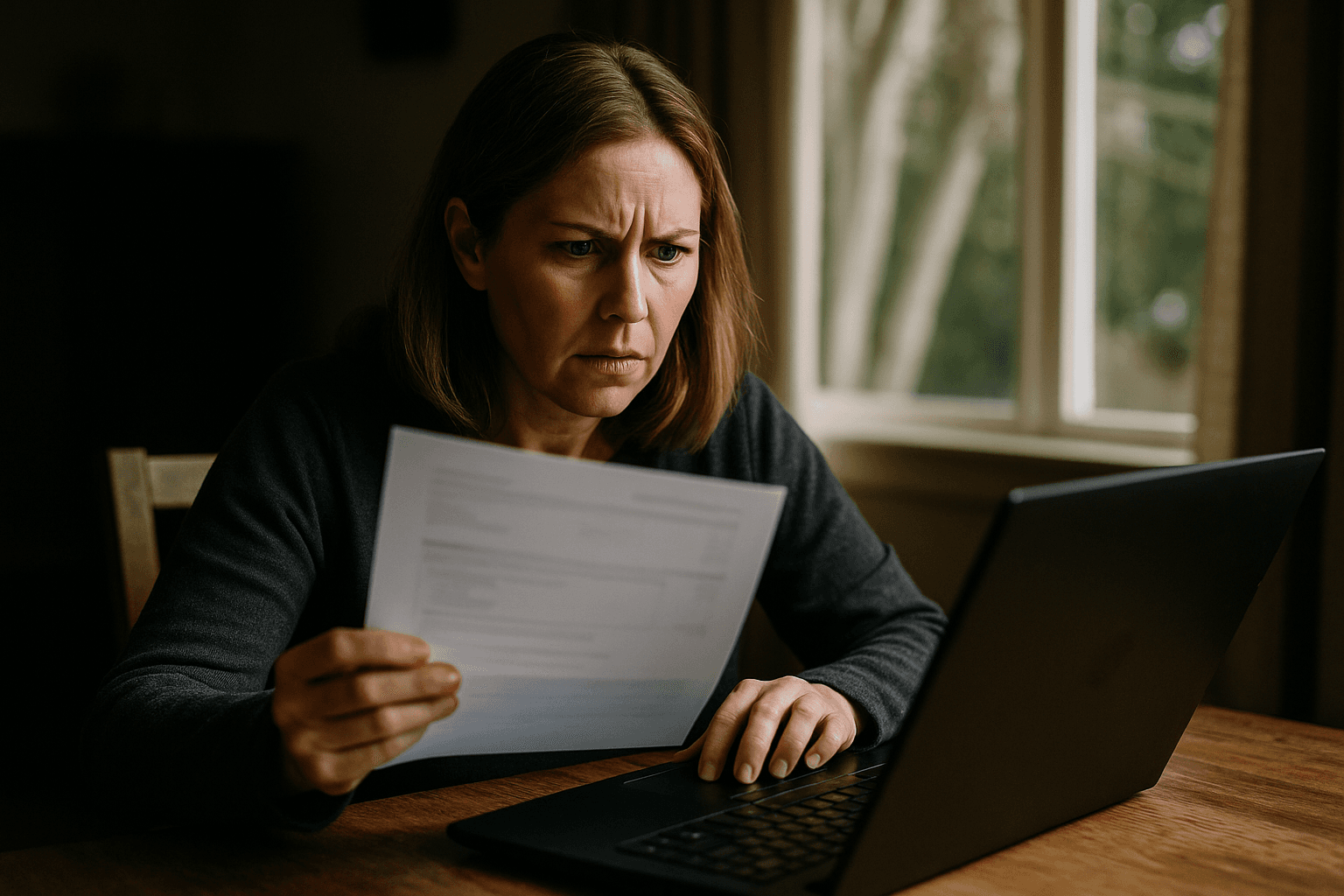
This alert comes during a period of heightened online scams that often spike around major billing cycles and holiday months. Local customers should verify any unexpected billing communications by checking account statements, logging into their PSE account through a known safe URL, or calling the phone number printed on their physical bill. Avoid responding to unsolicited email requests for account numbers, passwords, social security numbers, bank routing numbers, or other sensitive information.
PSE's notice underscores a broader need for vigilance and digital literacy. Residents who believe they have interacted with the malicious message should run antivirus scans, change account passwords, and report the incident to PSE so the utility can track the scam and assist affected customers.