Rail bike tours bring inclusive outdoor recreation, nature and art to Cape May
On December 9, 2025 Revolution Rail Company ran a rail bike tour along the abandoned track beside the Nature Conservancy Garrett Family Preserve, offering a low barrier way for residents and visitors to experience wetlands, wildlife and public art. The ride highlights opportunities for equitable access to green space, supports mental and physical health, and raises questions about maintaining former rail corridors for community benefit.
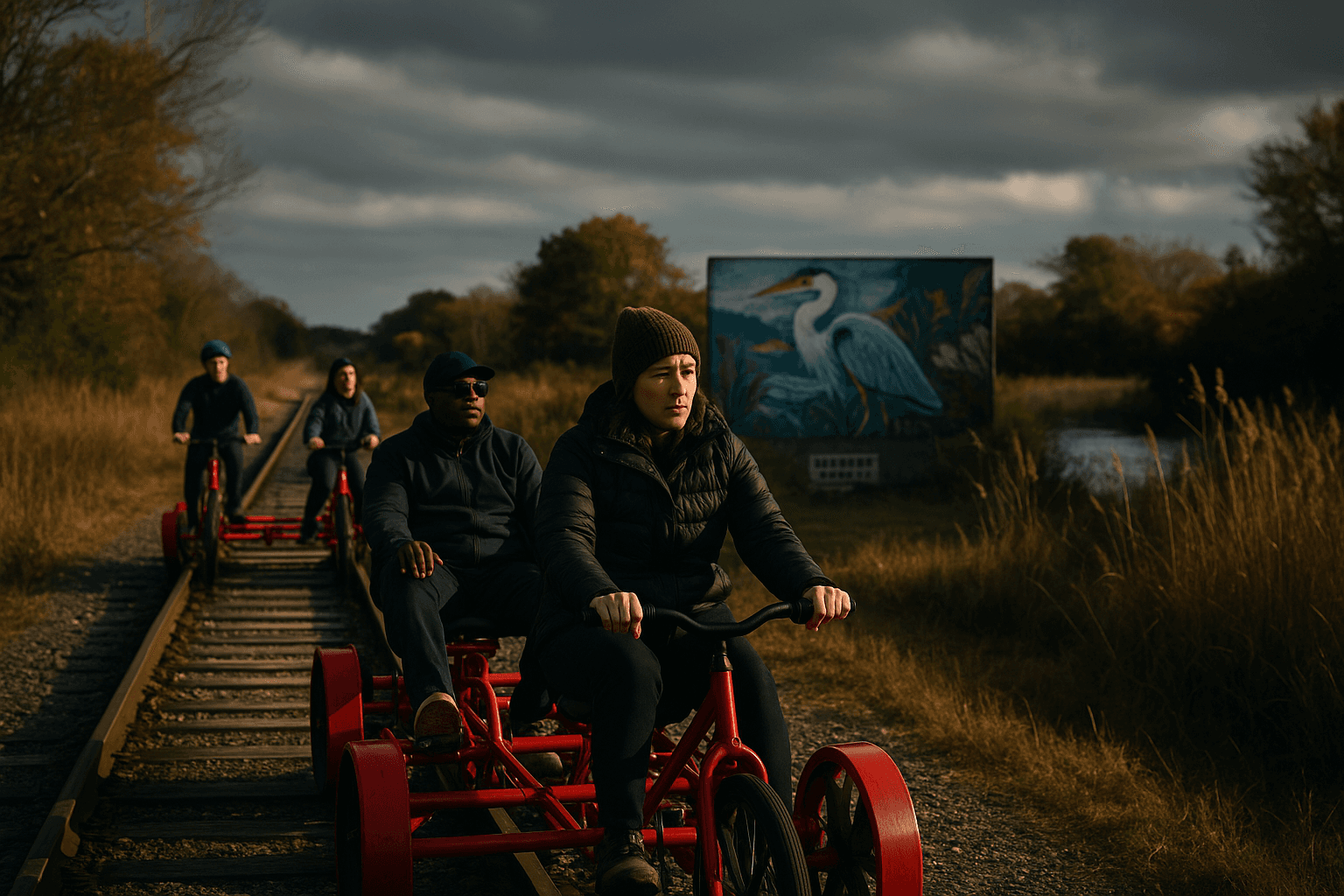
A cold mist hung over Cape May on December 9, 2025 when a group of riders set out on aluminum framed two and four seat rail bikes that pedal along existing tracks from the Lafayette Street Visitor Center north to the Cape May Canal. The less than two mile out and two mile return route follows a corridor flanked on the east by 180 acres of the Nature Conservancy Garrett Family Preserve and protected farmland, and on the west by Elmyra Street and Seashore Road.
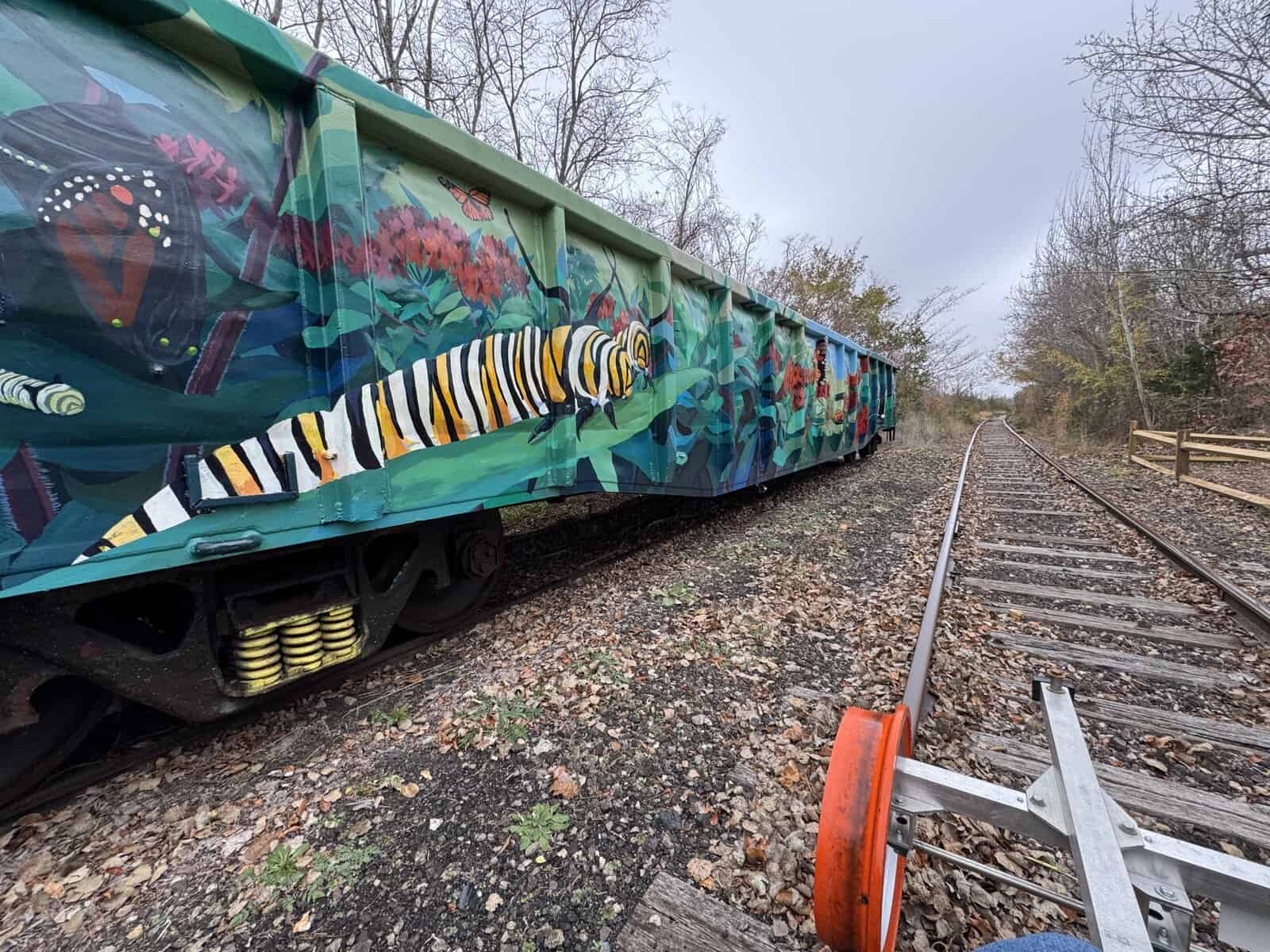
The experience combined nature observation and neighborhood art. Old freight cars near the trackside at the preserve are painted by muralist Alex Lebron with panels depicting the life cycle of the monarch butterfly. Trailside features at the preserve include a braille trail and an insect hotel, with rope guides to help people with visual impairment navigate pathways and interpretive signs illustrating monarch development. Habitats along the line include coastal scrub, salt marsh, wildflower meadows, farmland, ponds and Cape Island Creek. Staff noted that red cedars are encroaching on the right of way and will be cleared during the off season to keep the track passable.
The format offers specific public health benefits. The rail bikes require light pedaling while allowing riders to stop easily to tally birds, photograph wildlife and rest. Adjustable seating and a hands free design make the rides accessible for older adults and people with balance limitations who might not be able to use conventional bicycles. Time outdoors in green space supports mental health, encourages gentle physical activity, and can reduce social isolation for people who face barriers to traditional recreational activities.
For Cumberland County residents the project demonstrates how repurposed rail corridors can expand equitable access to nature without extensive new infrastructure. It also underlines policy choices communities face about funding maintenance, conserving adjacent wetlands, and ensuring ADA friendly amenities. As former rail lines are reconsidered for public use, the Cape May rail bike experience offers a practical model for combining conservation, recreation and inclusive design while reminding local leaders to plan for ongoing stewardship and community health benefits.
Sources:
Know something we missed? Have a correction or additional information?
Submit a Tip