Regional Aid Drives and Oversight Stories Affect Apache County Residents
Multiple regional reports on December 4 focused on community aid drives, sports coverage, and investigative scrutiny of government billing and contracts, all of which have direct implications for Apache County residents near the Navajo Nation border. The activities matter for local winter relief logistics, youth programming continuity, and the transparency of public spending that shapes county and tribal service delivery.
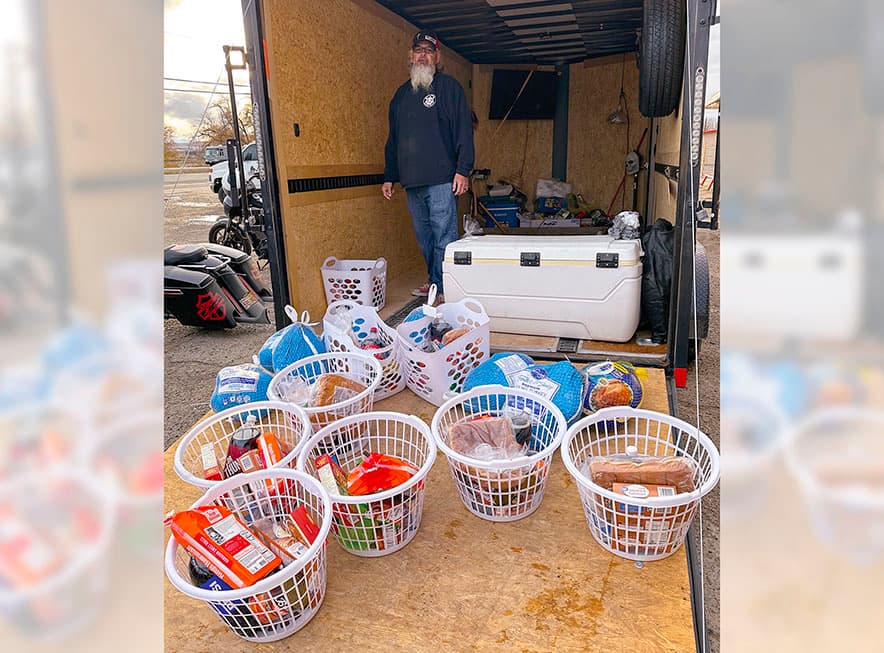
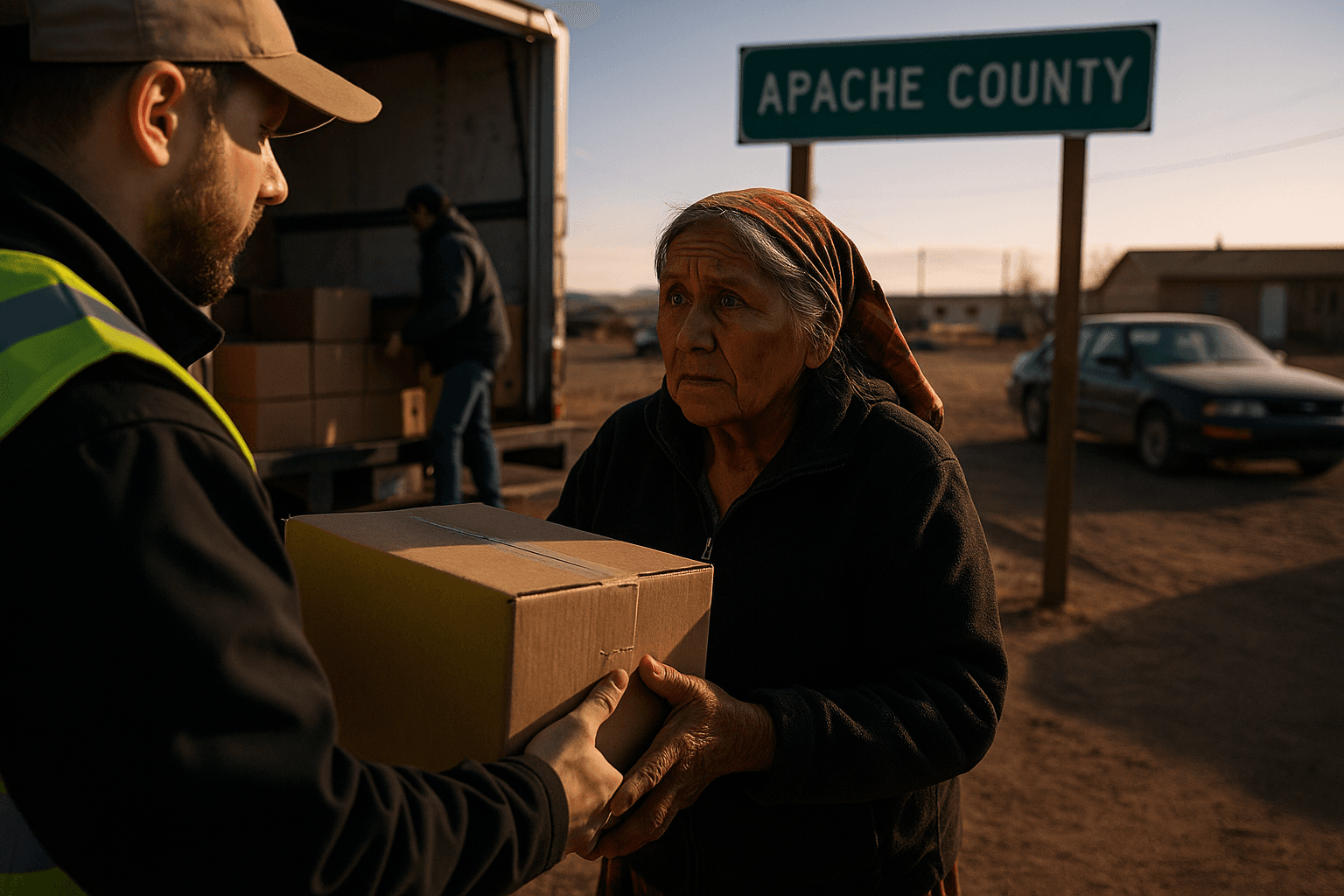
On December 4 community benefit efforts distributed food and winter coats in Navajo Nation communities that serve families who live in and around Apache County. Local volunteer groups, chapter officials, and community centers coordinated distribution events aimed at meeting immediate winter needs. These drives responded to seasonal demand and reinforced existing informal networks that county residents use for emergency supplies and social support.
The same reporting window included sports recaps posted to regional sports pages, highlighting youth and high school athletics that engage communities across county and chapter lines. Coverage of local games and seasonal standings matters economically and socially because school sports drive weekend travel spending, booster fundraising, and volunteer time that supports local businesses and school budgets.
Also published were investigative pieces examining regional government billing practices and contract oversight. Those pieces raised questions about procurement processes and billing transparency in regional agencies, matters that carry budgetary consequences for neighboring jurisdictions. For Apache County residents the implications are concrete. Contract irregularities or weak oversight on the tribal, intertribal, or regional level can alter service availability, slow payments to local contractors, and complicate joint projects involving road maintenance, emergency response, and social services.
Statistically the cluster of reports signals two converging trends. First, community aid activity is intensifying at the start of winter, increasing demand for coordinated distribution points, volunteer management, and supply chain reliability. Second, media scrutiny of public billing and contracts is increasing, creating pressure for stronger fiscal controls and intergovernmental coordination. Both trends affect county budgets and planning, especially in areas where county services overlap or interface with chapter operations.
Policy responses that would reduce risk and improve outcomes include clearer procurement rules, joint audits where projects cross jurisdictional lines, and formal agreements for winter aid distribution that set delivery points, timing, and cost sharing. For residents who rely on chapter distribution events or who participate in local sports programs, staying informed about schedules and cooperating with volunteer coordinators will help maintain continuity of services. County officials should also prioritize communication with chapter leaders to ensure that aid, youth programming, and contract processes work together rather than at cross purposes as winter needs and fiscal scrutiny both increase.