Registration Opens for 2026 Swim for Grand Traverse Bay
Registration for the two-mile Swim for Grand Traverse Bay opens Jan. 15, 2026, and the event takes place Aug. 8, 2026, in Traverse City. This article explains what you need to register, the fundraising requirements, how proceeds support The Watershed Center, and what the event means for the local community and environment.
1. Registration timing and how to prepare Registration opens Jan.
15, 2026, at 8 a.m.; mark that date and time so you can sign up promptly. The registration fee is $55 per swimmer, and spaces for open-water events can fill quickly, so plan to register on opening day if you intend to participate. Preparing in advance—checking swim insurance, local water-safety rules, and swim training schedules—will help you convert registration into a safe finish on race day.
2. Event date and swim format The Swim for Grand Traverse Bay is scheduled for Aug.
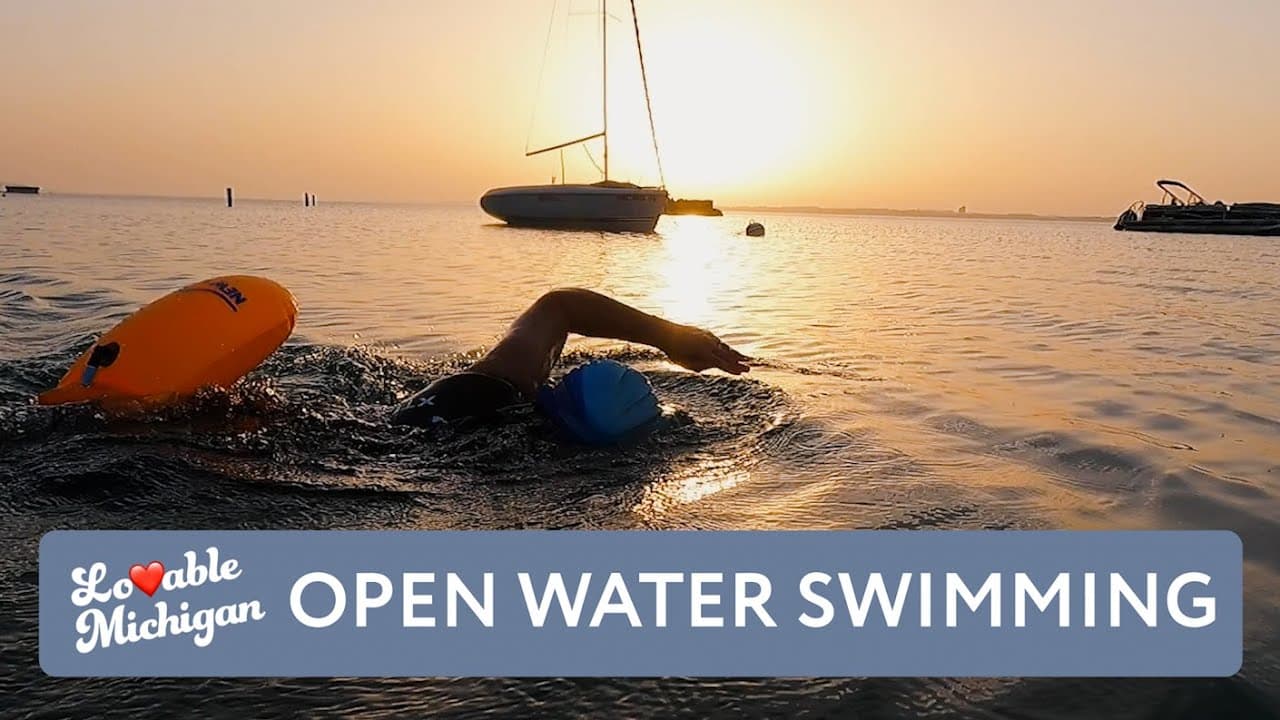
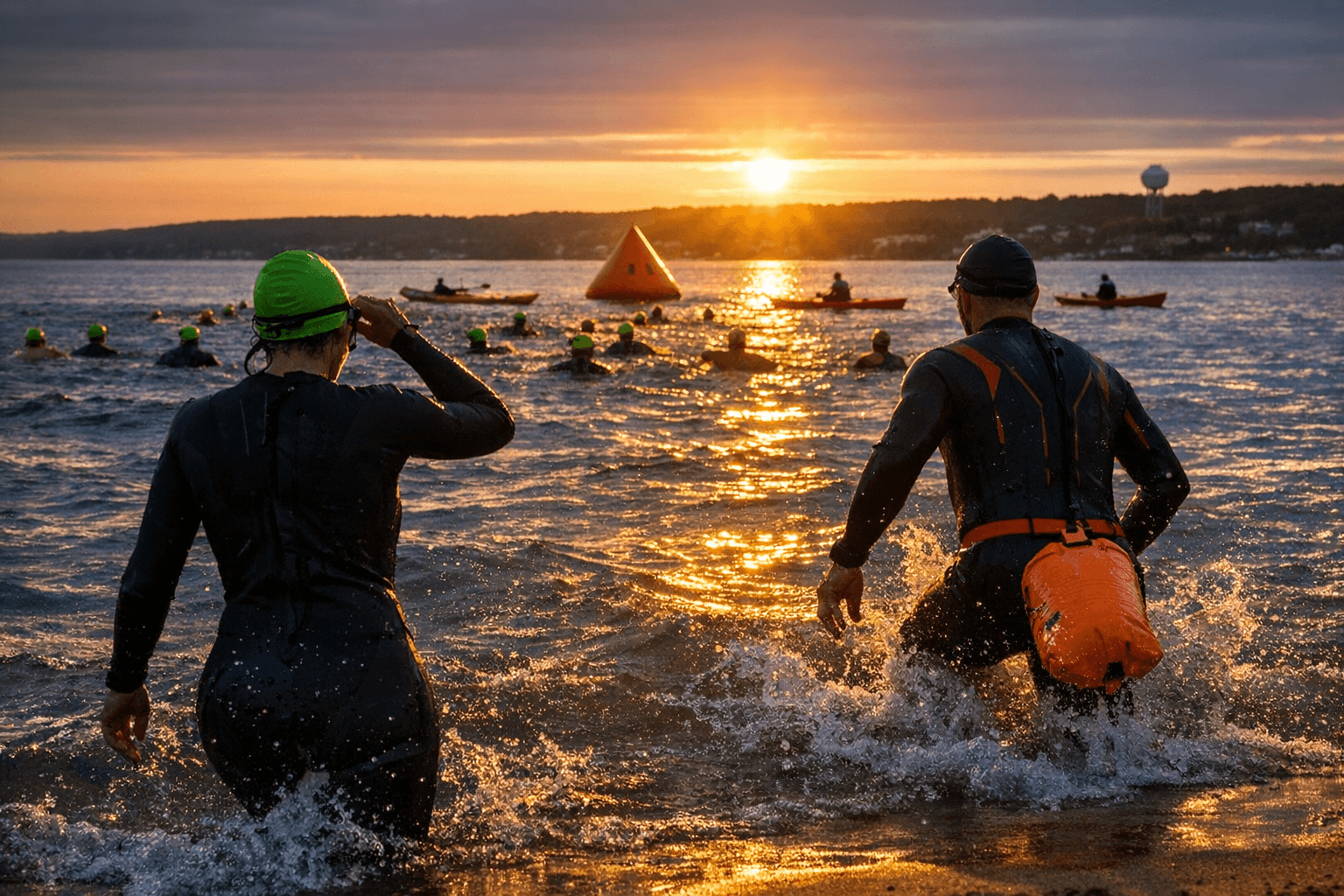
8, 2026, and is a two-mile, point-to-point open water swim through local waters. Point-to-point swims require coordination of logistics such as start and finish transportation, water-safety support, and timing; expect organizers to provide guidance as the event approaches. For the community, a mid-summer swim highlights the region’s waterfront assets and draws local attention to the Bay’s condition and accessibility.
3. Eligibility rules and participant age The event is open to swimmers aged 18 and older, so all participants must be adults under the stated rules.
If you plan to compete, confirm any identification and health clearance requirements on registration day; organizers typically require acknowledgment of fitness for open-water conditions. Age limits both focus participant safety and define the event’s target demographic for fundraising and outreach.
4. Fundraising requirement and alternatives Each swimmer must raise a minimum of $250 to support The Watershed Center; swimmers who cannot meet the fundraising goal may cover it personally.
That floor ensures a predictable baseline for fundraising while allowing participation through personal contribution as an alternative. For you, the requirement means combining athletic commitment with fundraising outreach—an opportunity to engage friends, family, and local businesses in supporting watershed protection.
5. Registration fee and direct costs The registration fee is $55 per swimmer, a modest upfront cost that helps cover event administration and logistics.
Combined with the $250 fundraising minimum, each participant is committing financially and socially to the Watershed Center’s mission. As you budget, treat the $55 fee as registration overhead and the $250 as the fundraising obligation that sustains program work.
6. Beneficiary and mission impact Proceeds benefit The Watershed Center, which focuses on protecting rivers, lakes, wetlands and beaches throughout the Grand Traverse Bay watershed.
Organizers describe the Swim for Grand Traverse Bay as the Watershed Center’s most significant fundraising event, supporting work not covered by other funding. For residents, that means funds raised here directly preserve water quality, shoreline access, and habitat that local families and businesses use.
7. Past fundraising results and economic scale Last year’s swimmers and sponsors raised over $53,000 to support the Watershed Center’s programs, demonstrating the event’s tangible fundraising power.
To put that in perspective: if every swimmer meets the $250 minimum, a field of 200 swimmers would generate $50,000 through fundraising alone; modest increases in participation or average donations can push totals well beyond that figure. Those dollars underwrite environmental work that might otherwise compete with public budgets, and they represent locally generated funding for projects that benefit recreation, public health, and property values.
8. Community celebration and local ripple effects Following the swim, participants gather for a pancake breakfast to celebrate accomplishments and fundraising, creating a public, family-friendly moment tied to the watershed cause.
That post-event gathering amplifies community engagement—bringing swimmers, volunteers, donors, and neighbors together—and produces modest local economic activity through food purchases and visitor spending. For Traverse City and Grand Traverse County, events like this reinforce civic ties to natural resources and generate seasonal economic uplift.
9. Policy implications and long-term trends The Swim’s role as the Watershed Center’s largest fundraiser highlights a broader funding dynamic: community events increasingly fill gaps left by limited public budgets for watershed protection.
That trend has implications for local policy; reliance on charitable fundraising can leave critical environmental work sensitive to year-to-year participation and donation swings. For long-term resilience, you and local leaders should treat funds raised as a reliable but variable complement to stable public funding, and use measurable outcomes from these dollars to argue for sustained public investment in water infrastructure and conservation.
10. What you should do next Decide whether you will register on Jan.
15, plan your fundraising approach to meet the $250 minimum, and mark Aug. 8 on your calendar for the swim and pancake breakfast. If you’re interested in the event’s environmental impact, follow The Watershed Center’s updates so you can see how funds are allocated and what projects benefit. Participating offers both a personal athletic challenge and a direct way to support the watershed that defines much of Grand Traverse County’s landscape and economy.
Sources:
Know something we missed? Have a correction or additional information?
Submit a Tip