Rental affordability crisis intensifies for Collin County low-income households
Low-income renters in Collin County face steep rent burdens that threaten housing stability and local workforce retention. This is driven by high one-bedroom rents and a disproportionate share of income spent on housing.
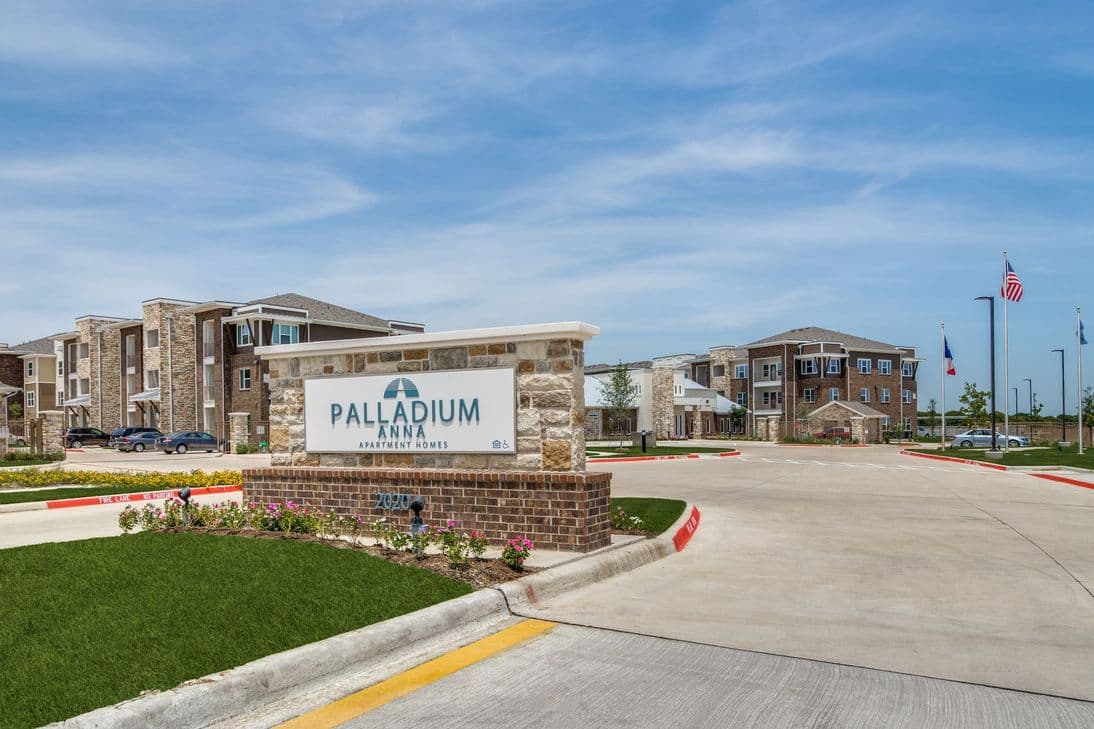
Recent research from Jorge Barro at the Texas Real Estate Research Center and local rental-market data show Collin County stands out in Texas for worsening rental affordability among households earning under $35,000 per year. For a key low-income subset, the county had the highest share in the state of households spending more than one-third of income on rent, a cited figure of 95.0%.
That level of rent burden is acute in the Sachse area, where one-bedroom rents range roughly from $1,100 to $1,500. For a household earning $35,000 annually, a $1,100 monthly rent equals roughly 37.7% of income, while $1,500 monthly equals about 51.4% — well above the standard affordability benchmark of 30%. Those calculations illustrate why nearly all low-income households in the cited subset are categorized as rent-burdened.
The market implications are immediate for eastern Collin County communities that supply workers to retail, hospitality, construction, and health services. High rent shares reduce disposable income and increase the risk of housing instability, longer commutes if workers relocate farther out, and turnover for local employers. For municipalities competing to attract businesses and talent, a tight rental market for lower-wage workers can translate into labor shortages and higher employer costs.
Barro’s research places Collin County at the top of a statewide ranking for this particular measure of affordability among low-income households, signaling a regional trend rather than an isolated pocket of pressure. Local rent listings and broker reports corroborate the upward pressure on one-bedroom units in Sachse and neighboring neighborhoods, pushing more renters into cost-burdened status or forcing household consolidation.
Policy responses that could blunt the effects include expanding subsidized affordable units, rezoning to allow more multifamily construction near employment centers, and targeted rental assistance for households most at risk. Local governments and community partners will also need to consider preservation strategies for naturally occurring affordable housing and incentives for employers to support workforce housing or transit access.
The economic context matters: if wages for lower-paid jobs do not keep pace with rent growth, the affordability gap will widen and create longer-term strains on local public services and business stability. For residents weighing housing decisions, the numbers are stark: at current rent levels, earning under $35,000 makes finding an affordable one-bedroom in Sachse increasingly unlikely.
Our two cents? If you or someone you know is squeezed by rent, check eligibility for rental-assistance programs, explore shared housing options, and talk with employers about housing supports; addressing this now can prevent displacement and keep Collin County’s workforce local and resilient.
Sources:
Know something we missed? Have a correction or additional information?
Submit a Tip