Respiratory Illness Surge Strains Menominee County Health Systems
Health officials urged Menominee County residents on Jan. 6 to stay vigilant as influenza and COVID-19 cases rose across Wisconsin, driving statewide respiratory illness activity to very high levels and pressuring local hospitals. The surge matters for county residents because limited local capacity has required patient transfers and increases risk for vulnerable people while underscoring the role of vaccination and prevention.
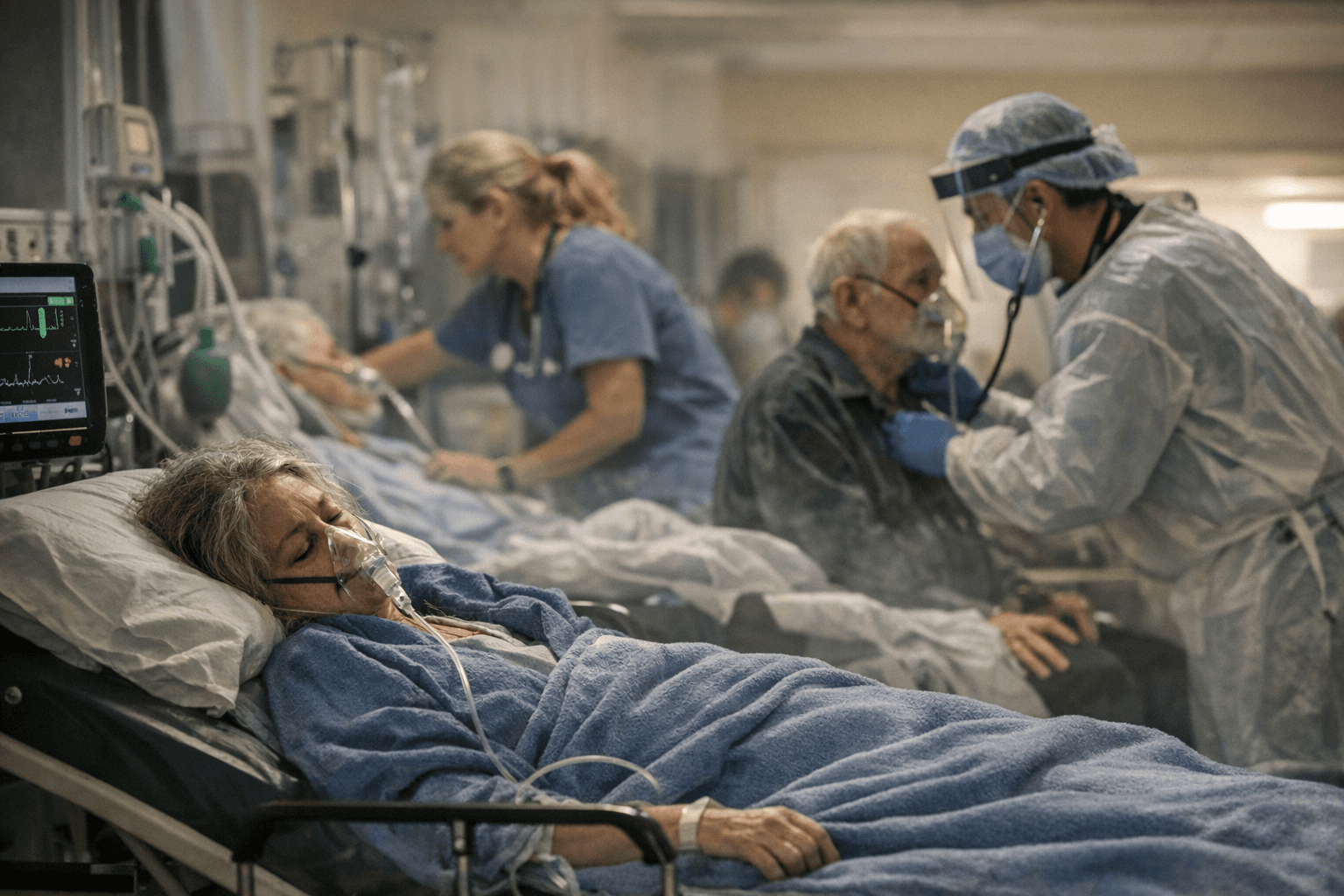
Shawano-Menominee Counties Health Director Nick Mau warned residents on Jan. 6 that current data showed very high statewide activity for respiratory illnesses, a pattern the region was experiencing as winter conditions pushed more people indoors. Mau said both influenza and COVID-19 cases were on the rise, placing added strain on local health care systems and forcing some hospitals in the region to operate at maximum capacity and transport patients to other facilities for care.
Public health officials emphasized prevention as the primary tool to blunt the surge. “Vaccination still just remains a really, really helpful tool,” Mau said. He also reminded residents that vaccines do not provide immediate protection, noting it typically takes about two weeks after vaccination for the body to build full immunity. Staying up to date on recommended vaccines, local health leaders said, greatly reduces the risk of severe disease even if no vaccine can prevent infection completely.
The immediate impact in Menominee County has been increased pressure on emergency departments and on ambulance and transfer systems when hospitals exceed capacity. Rural counties already face structural challenges in health care access; when local beds fill, patients and families may need to travel farther for inpatient care, complicating logistics for older adults and people with limited transportation.
Beyond individual illnesses, sustained high levels of respiratory disease can disrupt essential services, slow school and workplace attendance, and strain home caregiving networks. Public health messaging focused on vaccination, staying home when sick, hand hygiene, and mask use in crowded indoor settings aims to reduce transmission and protect high-risk residents, including older adults and people with chronic health conditions.
The surge also raises questions about preparedness and health policy for rural areas. Local and state officials may need to weigh emergency staffing supports, interfacility transfer plans, and targeted vaccine outreach to communities with barriers to care. For Menominee County residents, the near-term priorities are reducing exposure, checking vaccination status, and seeking medical care early when symptoms worsen.
As winter continues, health officials urged vigilance and collective action to limit further strain on a health system already stretched by concurrent respiratory viruses.
Sources:
Know something we missed? Have a correction or additional information?
Submit a Tip