Restored Samuel Yellin weathervane returns to Vanderbilt bell tower
A restored Samuel Yellin iron weathervane was reinstalled atop the Vanderbilt Museum bell tower. The piece restores a local landmark and supported Suffolk County craftsmen and contractors.
A three-masted Samuel Yellin iron weathervane, ornamented with sea-serpent and dolphin motifs, was reinstalled atop the bell tower of William K. Vanderbilt II’s Spanish Revival mansion at the Vanderbilt Museum on Jan. 11, 2026. Removed about 40 years ago for safety reasons, the large-scale work now crowns the estate once again, restoring a visible element of the North Shore skyline and reinforcing the site’s historic character.
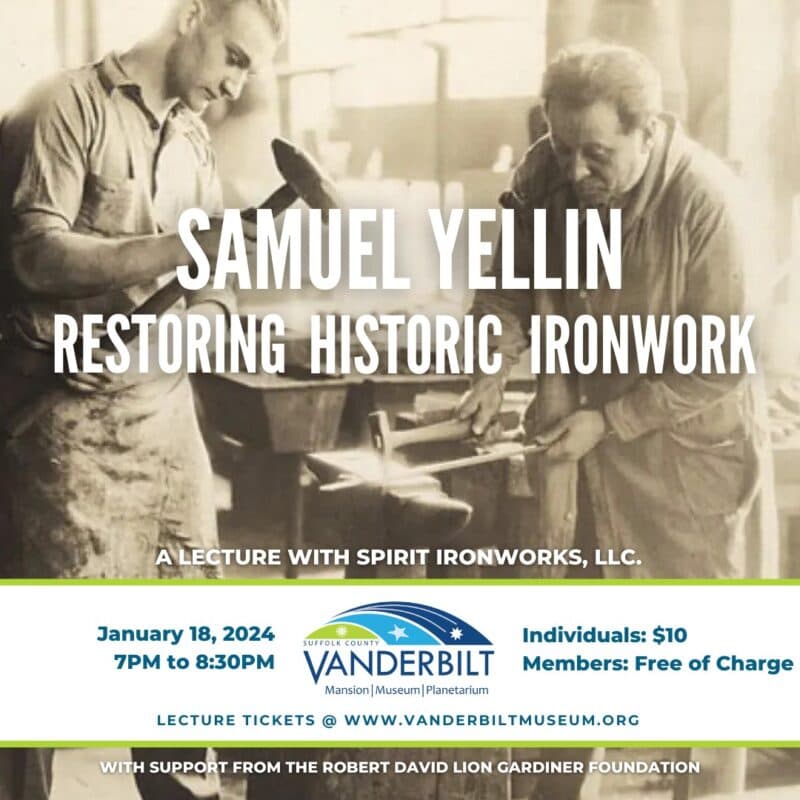
Restoration of the weathervane was completed by Spirit Ironworks of Bayport and funded in part by an $86,489 grant from the Robert David Lion Gardiner Foundation. Milcon Construction Corp., H2M architects + engineers, the Suffolk County Department of Public Works and Suffolk County Parks assisted with the engineering and reinstallation. Museum leaders described the project as returning an iconic visual feature to the estate while acknowledging both private philanthropic support and local craftspersonship.
Beyond aesthetics, the project has practical and economic implications for Suffolk County. The grant covered a significant portion of restoration work, allowing skilled local fabricators and construction firms to secure contracts. Work by Spirit Ironworks, Milcon, H2M and county crews put local labor and specialized metalworking skills to use, with direct spending flowing into the Bayport and broader Suffolk County economy. Preservation projects of this scale often carry multiplier effects: restored landmarks can boost museum attendance, encourage nearby spending at restaurants and shops, and sustain trades that are rare and regionally important.
For the Vanderbilt Museum, the reinstatement strengthens the estate’s appeal to visitors interested in architecture, maritime motifs, and Gilded Age history. The weathervane’s prominent placement atop the bell tower enhances curb appeal for the property and supports the museum’s mission of conserving and interpreting the Vanderbilt legacy. For homeowners and small businesses in the area, well-maintained historical sites contribute to neighborhood character and can influence perceptions of the local real estate market and tourism corridor.

The project also illustrates how targeted grants and partnerships between philanthropy, private contractors, and county agencies can deliver visible, durable results. While the $86,489 Gardiner Foundation grant covered part of the cost, the collaboration that followed — from restoration to hoisting the ironwork back into place — demonstrates a practical model for preserving other Suffolk County landmarks.
The takeaway? Small to mid-size preservation investments can have outsized local returns: they protect cultural capital, keep specialized trades active, and give residents and visitors a restored landmark to point to. For anyone curious, keep an eye on the museum’s programs; a freshly crowned bell tower is a good reason to make a return visit.
Sources:
Know something we missed? Have a correction or additional information?
Submit a Tip