Richardson Considers 2026 Bond, Up To 115 Million For Roads
City staff presented options for a potential 2026 bond package that would allocate between $90 million and $115 million to street and alley reconstruction projects. The proposal outlines specific road candidates and funding levels for sidewalks, alleys and rehabilitation, and the council may vote in February to place the measure before voters.
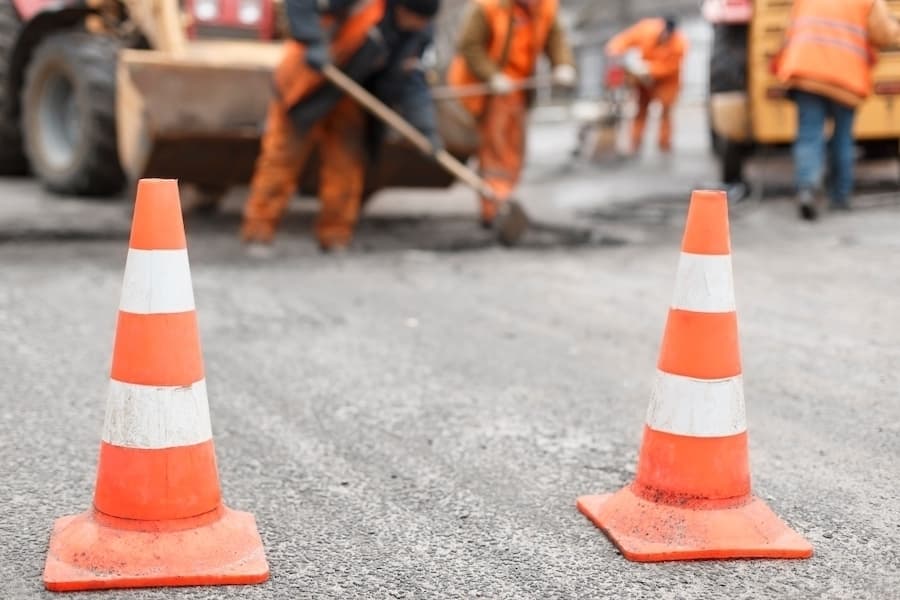
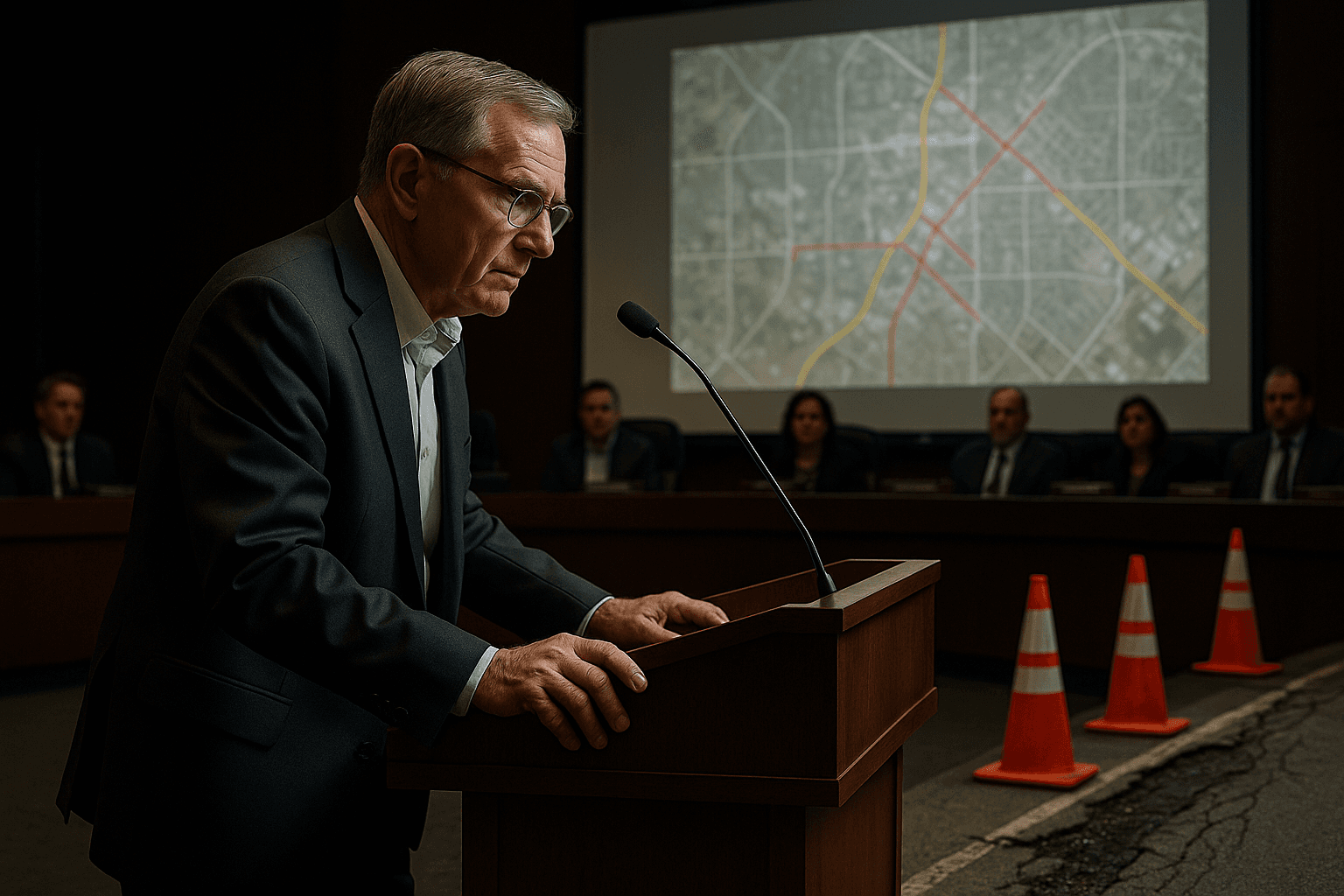
Richardson city staff on December 2 presented city council members with a draft plan that would dedicate $90 million to $115 million toward street and alley reconstruction as part of a potential 2026 bond package. The presentation identified a slate of streets under consideration for full reconstruction, and it laid out alternative funding levels for sidewalk improvements, alley projects and pavement rehabilitation.
Roads singled out for reconstruction in the staff materials include Apollo Road, Little Creek Drive and Maple Street among others, with staff noting that prioritized corridors reflect pavement condition assessments and long term maintenance needs. The proposed range for street and alley work would shape how many corridors could be rebuilt completely versus those that would receive rehabilitation or targeted repairs.
Council members heard that the bond package would extend beyond roads, with staff scheduled to return with additional presentations on facilities projects for parks, municipal buildings and other capital needs. The council could take a vote on February 9 to formally call a bond election, staff said, and if the council does so the election would be held on May 2.
For Collin County residents and Richardson homeowners the proposed street allocations matter for daily travel, property values and long term maintenance costs. Full reconstruction of aging corridors can reduce long term repair bills for the city and improve safety for pedestrians and bicyclists where sidewalks are added or upgraded. At the same time residents along streets slated for work should expect construction impacts during design and build phases and watch for city communications about timelines and detours.
The next few months will be critical for shaping the final package as staff refine cost estimates and council balances competing priorities for facilities and infrastructure. Voters will ultimately decide whether to authorize the bonds, and the February council decision will determine whether the proposal reaches the ballot for the May election. In the meantime residents seeking detail on specific project schedules and neighborhood impacts should monitor city notices and upcoming council agendas.