Richardson joins Healthier Texas Challenge with free community wellness events
Richardson pledged to join the eight-week Healthier Texas Community Challenge starting Jan. 20 and will host free wellness classes and a community walk/run.
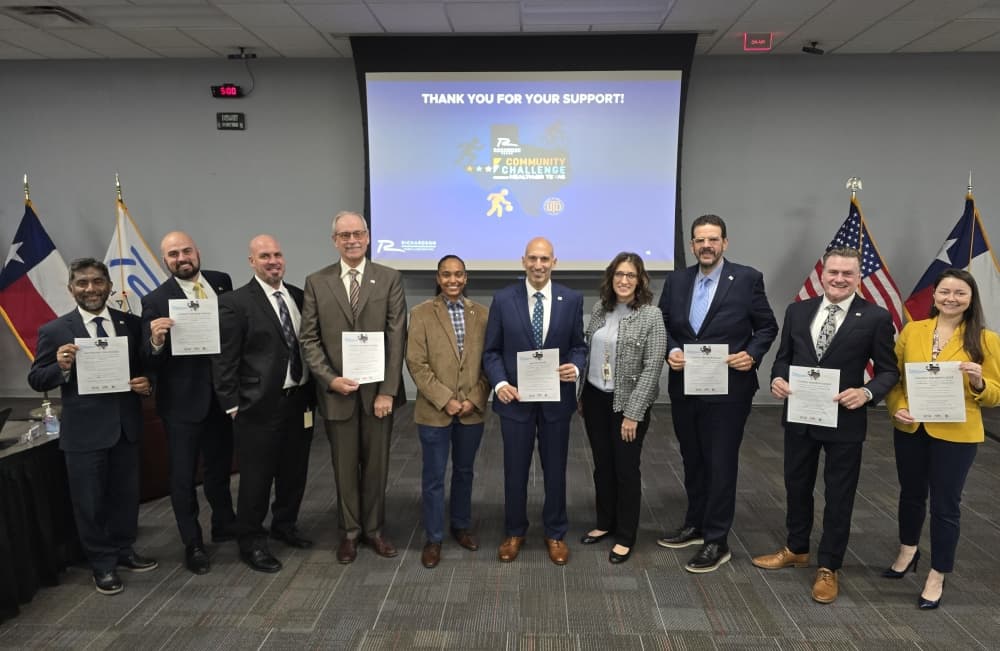
Richardson’s City Council pledged Jan. 5 to participate in the statewide Healthier Texas Community Challenge, an eight-week contest running Jan. 20 to Mar. 15. The Recreation Department is staging a slate of free wellness events tied to the challenge, giving Collin County residents low-cost opportunities to increase physical activity and build social supports for healthier habits.
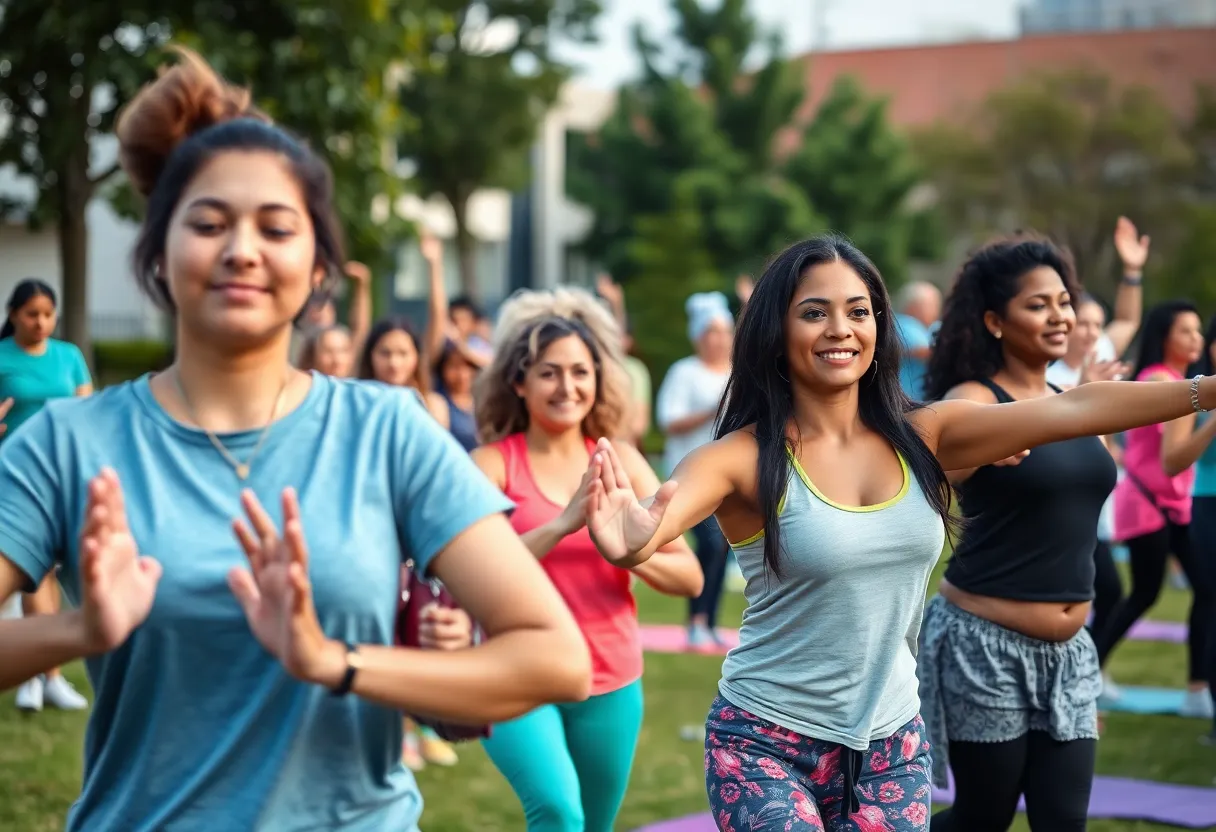
The city will kick off the local campaign Jan. 17 at Huffhines Recreation Center with free Zumba and yoga classes and door prizes. More classes, including dance fitness, yoga, and nutrition and cooking sessions, will begin Jan. 24. A walk/run celebration is scheduled Mar. 7 at Huffhines Park to cap the eight-week effort. The schedule is designed to engage residents across age groups and mobility levels and to reinforce consistency over the full challenge period.
Richardson also partnered with the University of Texas at Dallas so students and staff can contribute to a group score. That collaboration expands the campaign’s reach into campus populations and workplace wellness channels, and it builds on last year’s performance: Richardson finished 10th statewide in its division. The Healthier Texas program aggregates participation and activity to generate city-level scores and incentives, a structure that aims to motivate behavior change through friendly competition.
From a public health perspective, the city’s approach addresses several practical barriers. Free classes lower cost-related obstacles to exercise, and holding events at well-known local sites such as Huffhines Recreation Center and Huffhines Park increases accessibility for residents across Richardson and nearby neighborhoods. University involvement can help reach younger adults and employees who might not otherwise engage with municipal programming.
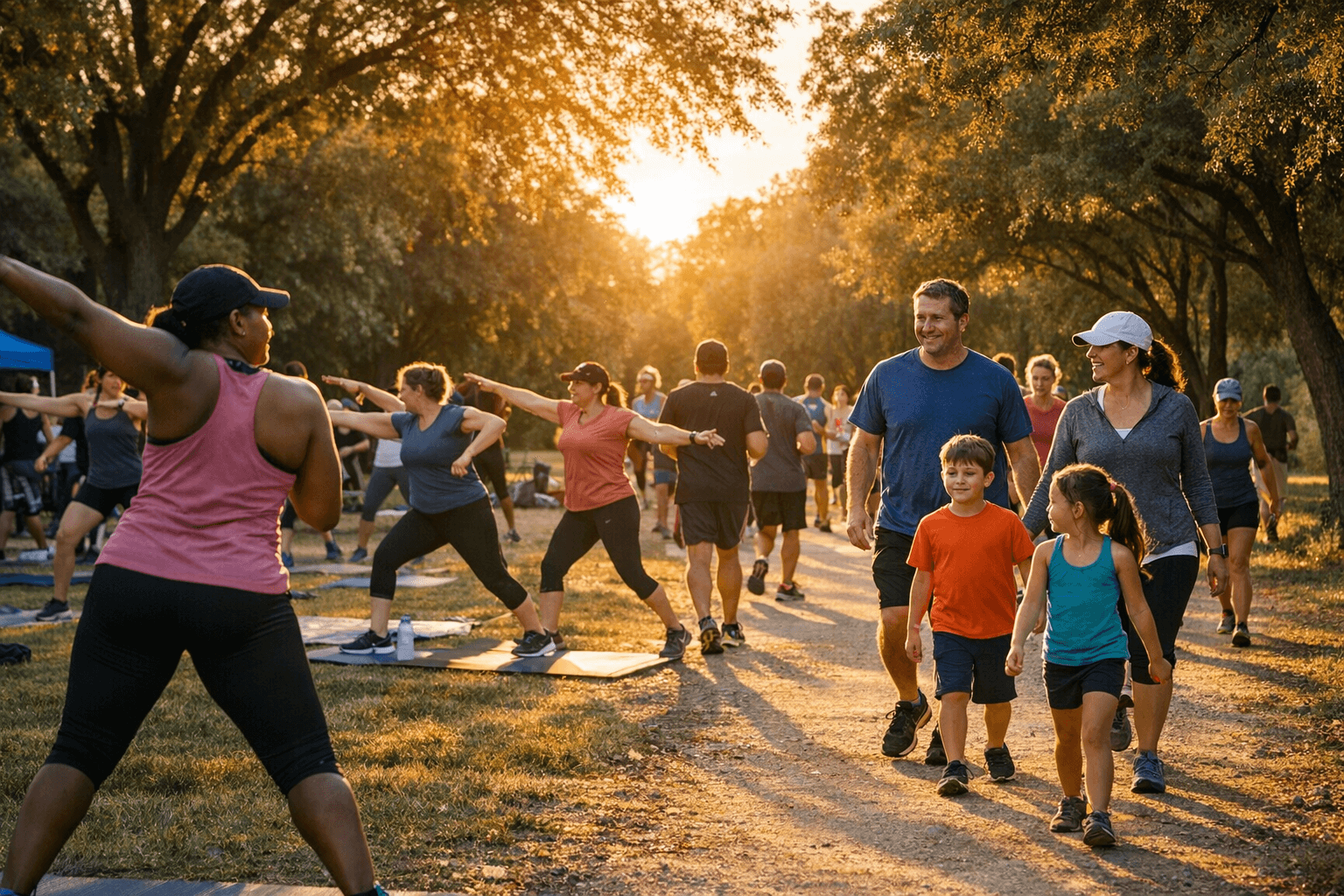
The initiative also touches equity concerns. Community-based programming that eliminates fees and locates activities in public spaces helps reduce disparities tied to income and transportation. Consistent offerings over eight weeks can support habit formation, which is especially important for residents managing chronic conditions or juggling multiple jobs and caregiving responsibilities.
Policy-wise, Richardson’s participation reflects a broader local public health strategy that leverages partnerships and competition to spur participation rather than relying solely on clinical interventions. For municipal leaders, the effort is a low-cost investment in prevention that may reduce downstream healthcare use if participants sustain increased activity and improved nutrition.
The takeaway? If you live in Richardson or attend UTD, this is a chance to try free classes, log activity, and contribute to the city’s score while meeting neighbors. Our two cents? Lace up, bring a friend, and use these no-cost options to make small, steady changes that add up over eight weeks.
Sources:
Know something we missed? Have a correction or additional information?
Submit a Tip