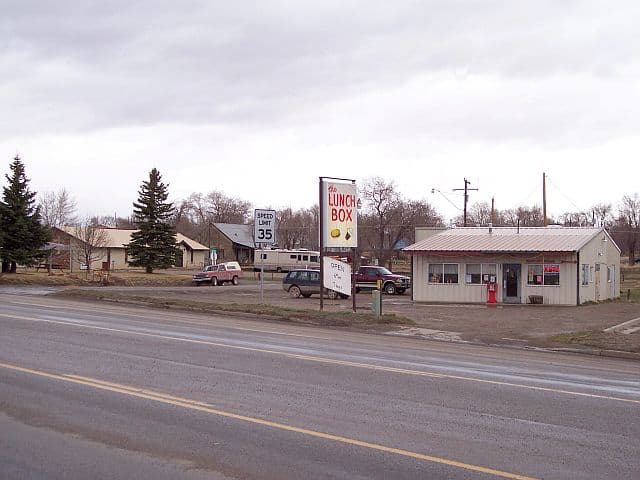
Rico retains historic character, winter limits shape local economy
Rico’s sandstone streets and 1892 Town Hall anchor a compact commercial district that draws history minded travelers and winter recreation visitors, but limited winter access and services constrain year round tourism revenue. That seasonal rhythm shapes local identity and policy priorities for road maintenance, emergency access, and preservation investment in eastern Dolores County.

Rico sits high in eastern Dolores County as one of the region’s most intact late 19th century towns. The former Dolores County courthouse, now Rico Town Hall and built in 1892, is listed on the National Register of Historic Places and serves as the focal point for the town’s compact commercial district. Narrow streets, sandstone buildings and the mountain setting create a distinctive destination for visitors seeking historic architecture and winter recreation.
Those physical characteristics produce both economic opportunity and constraints. Heritage and scenic appeal support small business tourism that depends heavily on seasonal visitors. At the same time, winter road conditions and limited local services reduce accessibility for much of the winter months, concentrating visitor spending into a narrower peak season. That pattern increases revenue volatility for lodging, dining and retail establishments and influences hiring, inventory and capital decisions for local proprietors.
Local public policy and infrastructure priorities follow from these dynamics. Maintaining safe winter access and ensuring emergency services are available amid narrow streets and mountain weather are pressing concerns for county planners and for residents who rely on year round services. Preservation of historic buildings reinforces town identity and tourism appeal, but preservation often requires targeted funding for maintenance and code compliance, which competes with other local budget demands.
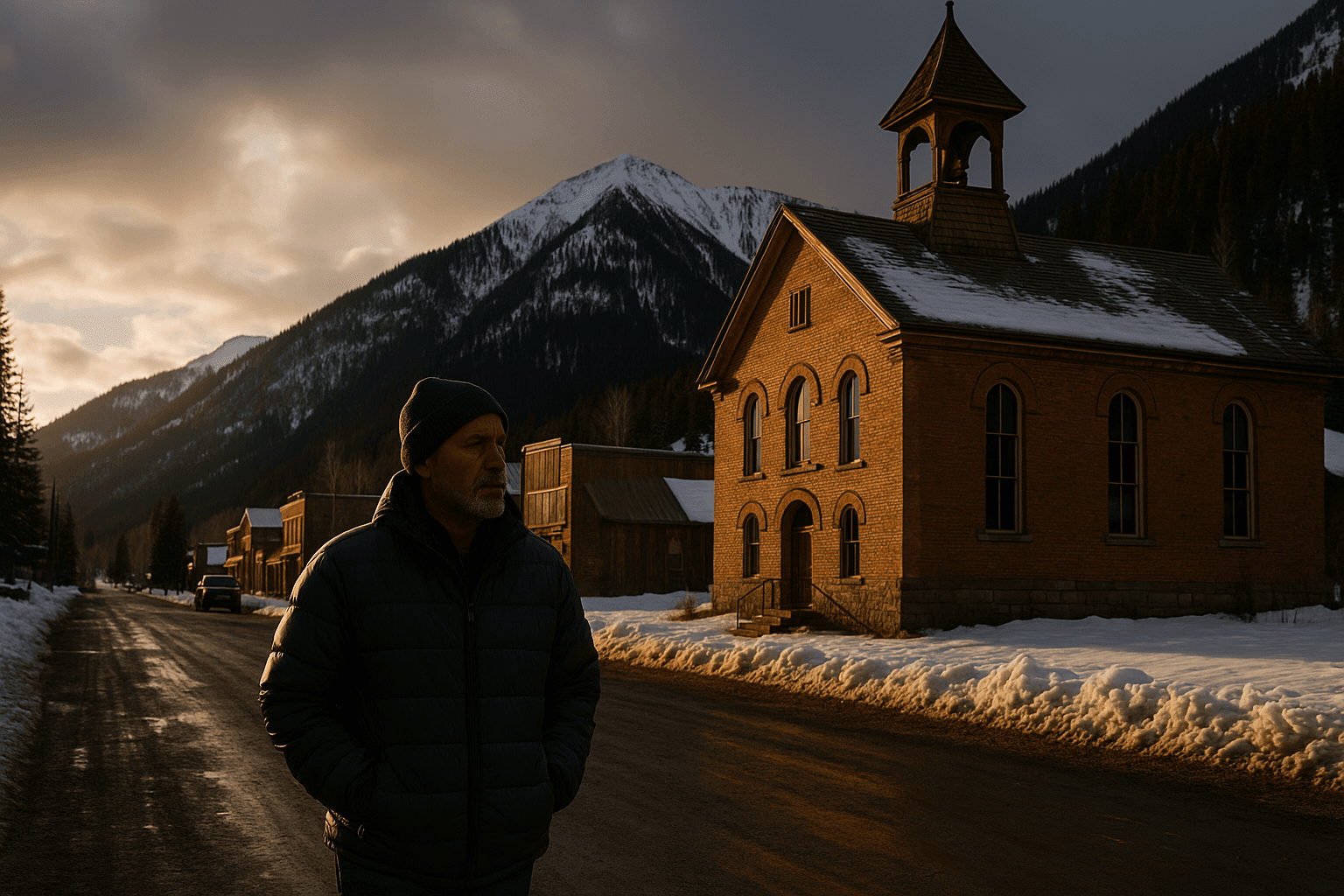
Longer term trends point to trade offs. Investment that improves winter access and emergency response could broaden the season and stabilize local incomes, but such investments carry costs in road work, snow removal and equipment. Conversely, prioritizing preservation without addressing access limitations may sustain the town as a seasonal heritage destination while limiting growth in year round employment.
For Dolores County residents and policymakers, Rico’s compact commercial core and its 1892 Town Hall are both cultural assets and economic levers. Balancing preservation, transportation investments and service delivery will determine whether the town’s historic character continues to support resilient local businesses across seasons.