Rico Town Hall stands as historic landmark, anchor for local identity and economy
Rico Town Hall, the former Dolores County Courthouse built in 1892, remains a defining landmark at the northeast corner of Commercial and Mantz Streets, symbolizing the town's mining era and civic continuity. Its listing on the National Register of Historic Places and continued use as town offices shape preservation priorities, budget choices, and local tourism prospects for residents.

Rico Town Hall occupies a prominent corner in Rico and carries more than a century of civic and economic history. Constructed in 1892 of dense red sandstone with arched windows, parapeted gables and a central tower, the building served as the Dolores County courthouse during the town's mining boom. The county seat moved to Dove Creek in 1946, after which the structure transitioned to town offices. The building was placed on the National Register of Historic Places on Dec. 31, 1974, a designation that recognizes its architectural significance and opens pathways to preservation support.
The building matters to Dolores County beyond its aesthetic value. As one of the county's most recognizable historic structures, it functions as a focal point for civic services as well as a draw for visitors interested in mining era architecture and rural heritage. For a small county that faces the economic constraints common to rural communities, maintaining such landmarks can contribute to diversification of local revenue through heritage tourism, event rentals and place based branding that supports lodging and food service businesses.
Listing on the National Register does not guarantee funding, but it does create eligibility for certain federal and state preservation grants and technical assistance programs administered through preservation offices. That status can lower barriers for accessing professional restoration expertise and planning resources, while local officials must still weigh routine maintenance and capital repairs against municipal budgets. Preservation decisions therefore intersect with fiscal policy at the town level, influencing property budgets and potential grant applications.
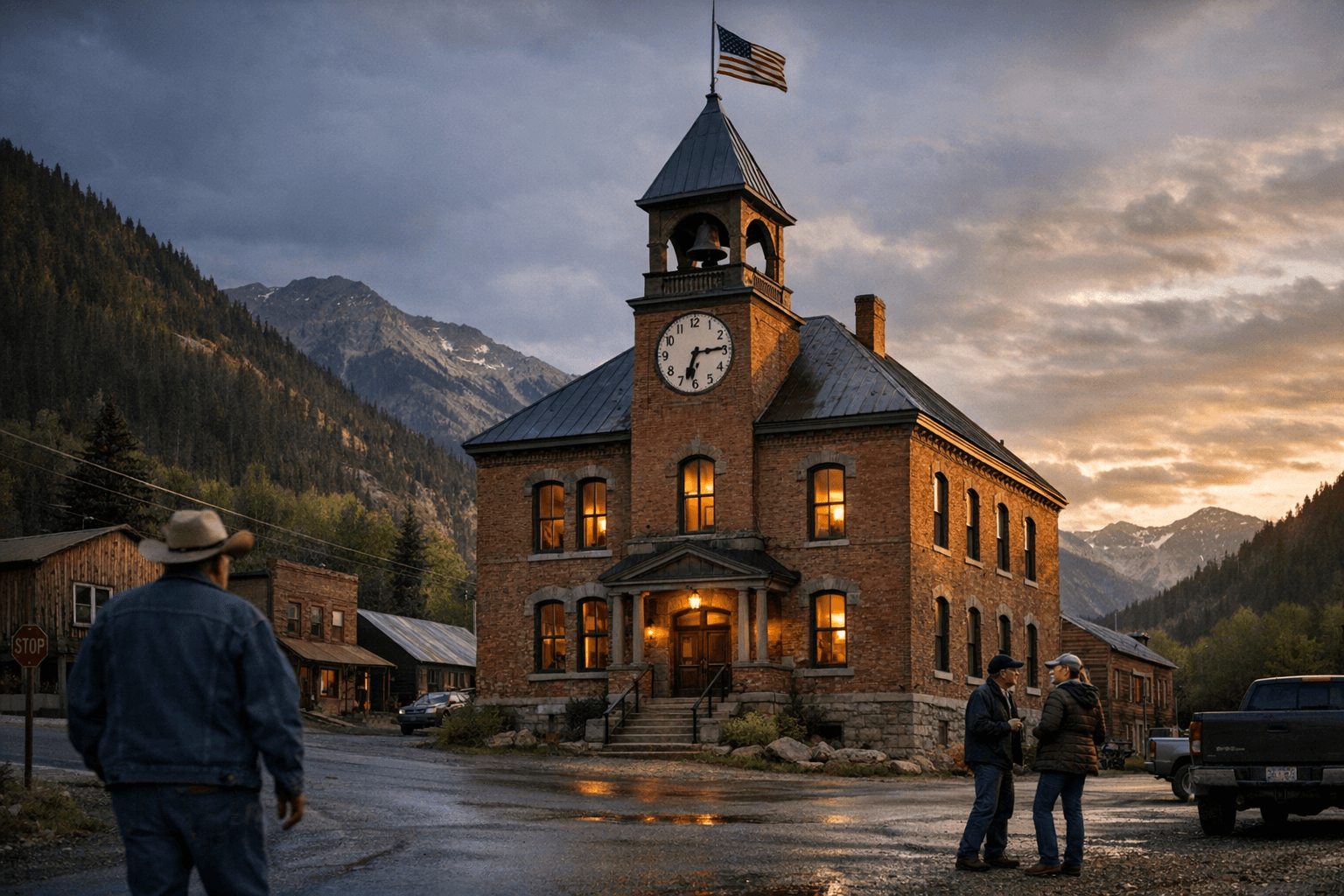
Long term trends in rural economies suggest that communities that sustain historic assets can leverage them for economic resilience, though success typically requires coordinated planning, marketing and investment. For Rico, the Town Hall is both a tangible reminder of the 1892 mining boom and a practical civic asset. Its preservation supports local identity and carries measurable implications for municipal budgeting, grant seeking and the broader effort to attract visitors and new residents to Dolores County.
Sources:
Know something we missed? Have a correction or additional information?
Submit a Tip