Rico's Historic Mining District Offers Trails, Museum, Scenic Drives
Rico, in Dolores County, preserves a compact late-19th-century mining district anchored by the Rico Historical Society Museum while serving as a gateway to high-country trails and mountain-biking routes. That combination of heritage attractions and outdoor access sustains seasonal lodging and restaurants, shapes visitor patterns along CO-145, and matters for local businesses and volunteer-run cultural sites.
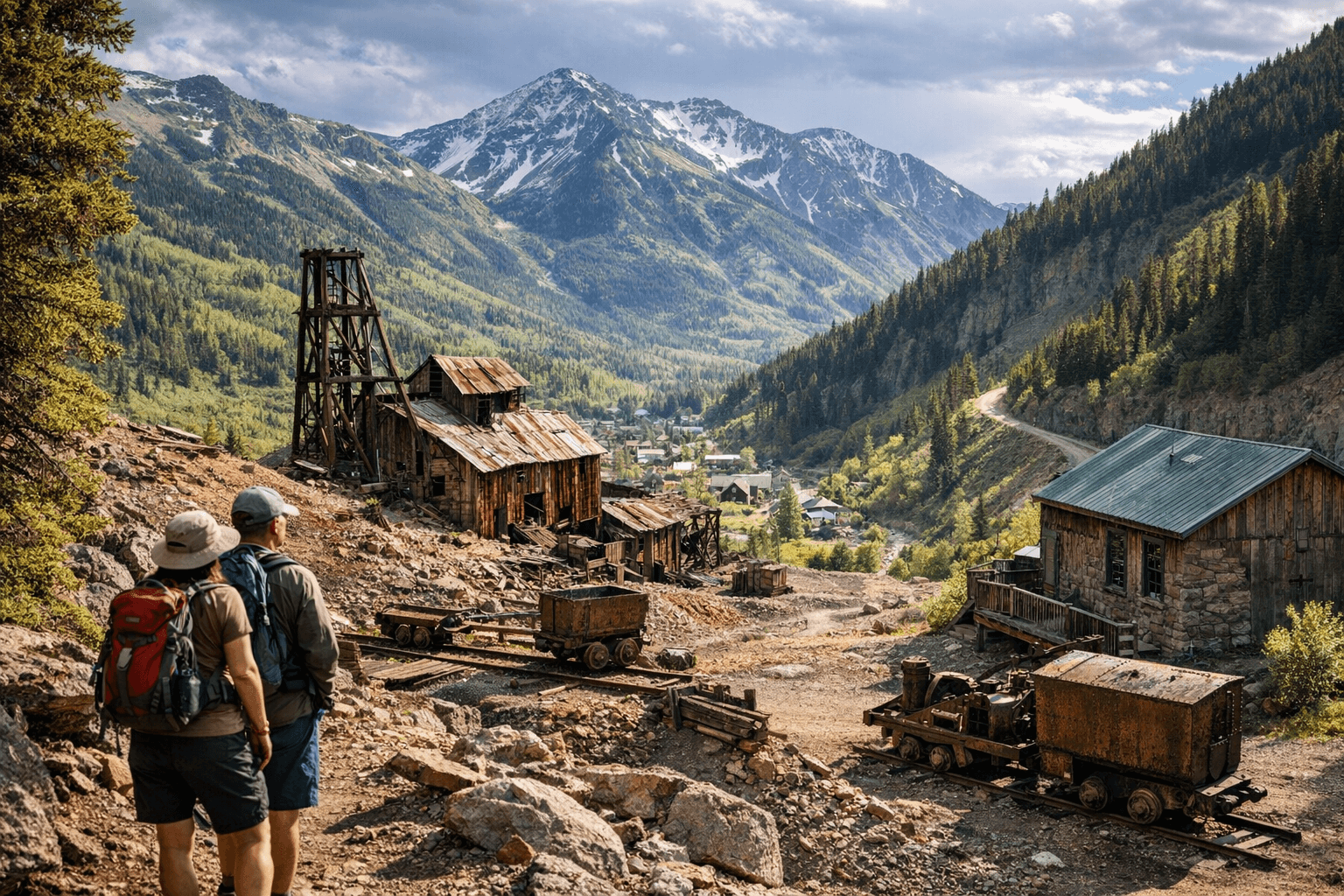
Rico traces its origins to the late-19th-century mining boom and today retains a compact historic district that interprets that mining and railroad past. The Rico Historical Society Museum, housed in a historic building in town, presents mining and railroad exhibits that serve both visitors and residents interested in local heritage. For Dolores County, the museum and intact streetscape provide an anchor for heritage tourism during the warmer months.
Beyond history, Rico functions as a recreation hub. The town offers access to backcountry trails and mountain-biking routes and sits within reach of high-country trailheads that include connections to the Colorado Trail. Those trail links attract hikers, bikepackers and through-hikers who use Rico as a staging point or resupply stop, boosting demand for the town’s seasonal lodging and restaurants. Scenic drives on CO-145 between Telluride, Rico and Dolores also funnel day visitors and road-trippers through the community, supporting gas stations, eateries and short-term stays.
Local services are often seasonal and many cultural sites are volunteer-run, so hours vary across the year. High-elevation weather can change quickly; that variability shortens or shifts peak visitation windows and affects how long businesses can rely on summer and shoulder-season income. For residents who depend on tourism dollars, including small lodging operators and restaurateurs, that seasonality concentrates revenue into a limited number of months and heightens sensitivity to weather and trail conditions.
The combination of heritage assets and outdoor access produces concrete economic implications for Dolores County. Heritage visitors drawn by the museum and historic district tend to spend locally on meals and overnight stays, while trail users generate demand for guide services, gear, and shuttle or transport options along CO-145. Volunteer governance of cultural sites keeps operating costs low but also means access can be uneven; visitors are advised to verify hours before traveling.
For local planners and business owners, these dynamics underline a few priorities: support for reliable seasonal services, coordination on trail and road maintenance, and clear communication about museum and attraction hours. For residents, the town’s blend of mining history and trail access preserves a distinct community character while continuing to shape local economic rhythms. Visitors should prepare for rapid weather shifts, expect seasonal closures, and check operating hours for volunteer-run museums to avoid disappointment.
Sources:
Know something we missed? Have a correction or additional information?
Submit a Tip