Rockslide Shuts Wet Canyon Road, Disrupts Travel West of Trinidad
A rockslide on December 19 closed Wet Canyon Road, County Road 31.9, after heavy rainfall and rapid snowmelt undermined rock slopes, leaving the route impassable roughly five miles north of Highway 12. The closure, which prompted emergency management to direct traffic to County Road 32.5 and Saracillo Canyon Road, highlights infrastructure vulnerabilities and raises questions about preparedness and funding for slope stabilization in Las Animas County.
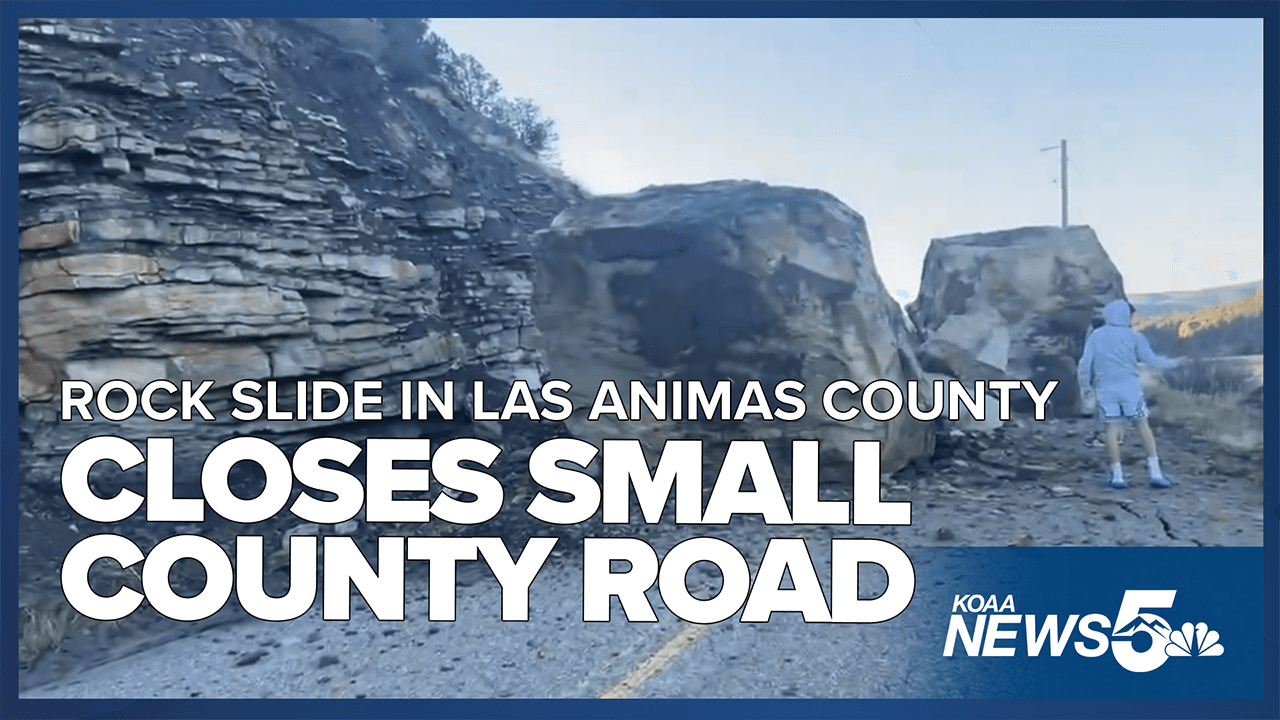
A rockslide on December 19 deposited significant debris on Wet Canyon Road, County Road 31.9, shutting the small county route north of Highway 12 west of Trinidad and forcing officials to close the roadway while crews assessed conditions. Las Animas County Emergency Management reported the closure was roughly five miles from Highway 12 and said there was no timeline for reopening as crews worked to clear debris and secure the scene. No injuries were reported.
Emergency management advised drivers to use County Road 32.5 to Saracillo Canyon Road as an alternate route while crews determined when clearing and repairs could proceed. The slide followed a period of heavy rainfall combined with rapid snowmelt in the southern Sangre de Cristo mountains, conditions that significantly increased the risk of rockfall and slope failure. County crews prioritized securing the area and protecting public safety before beginning removal and repair work.
Local impact extended beyond a single road closure. Wet Canyon Road provides access for residents, ranching operations, and emergency responders in this portion of the county. A prolonged closure could increase travel times for daily commutes, complicate school transportation and delay emergency response and delivery of goods and services. For isolated households and agricultural operations the loss of a direct route can raise costs and reduce access to essential services during severe weather events.
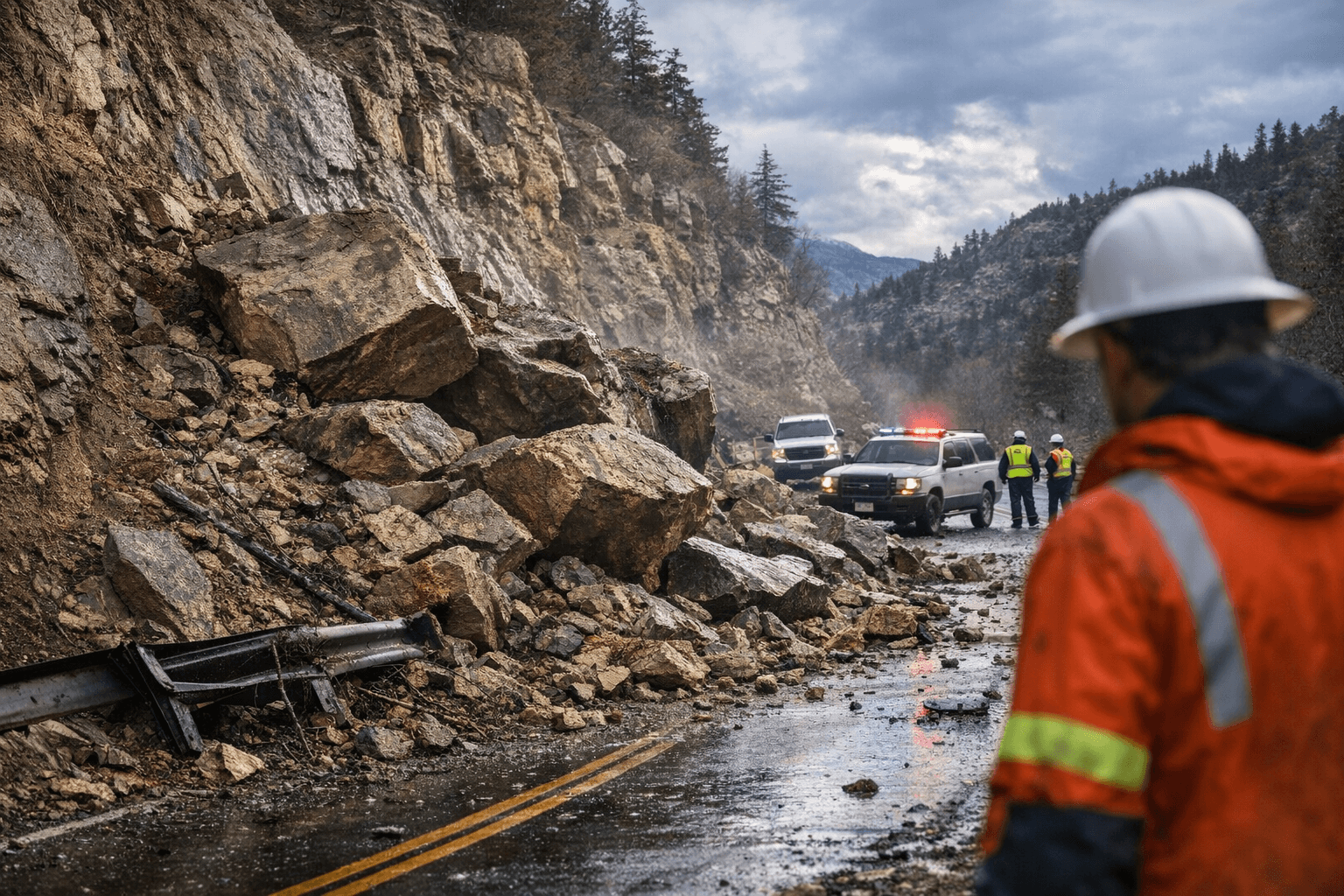
The incident underscores larger institutional and policy questions about infrastructure resilience in rural counties. Slope stabilization, roadside maintenance and hazard mitigation require technical assessments and funding that local budgets may struggle to cover. Counties often rely on a mix of local funds, state assistance and federal hazard mitigation grants to address geological risks, and events like this can influence voter priorities and election debates about infrastructure spending and public safety investments.
Civic engagement will matter as the county evaluates repair options and potential funding avenues. Residents should follow official Las Animas County Emergency Management channels for updates and use the advised alternate route until authorities reopen Wet Canyon Road. Local leaders face decisions about whether to pursue state or federal support, adjust maintenance schedules, or invest in longer term slope stabilization to reduce future closures and protect public safety.
Sources:
Know something we missed? Have a correction or additional information?
Submit a Tip