Rooftop Christmas Tree Returns to Los Alamos Medical Center This Week
On December 5, 2025, Los Alamos Medical Center restored its long running rooftop Christmas tree tradition, a symbol of hope that has been part of local holidays since at least 1980. The return matters to residents because the tree provides a visible sign of comfort for patients, staff and neighbors and reinforces community connections during a time of year when social support is especially critical.
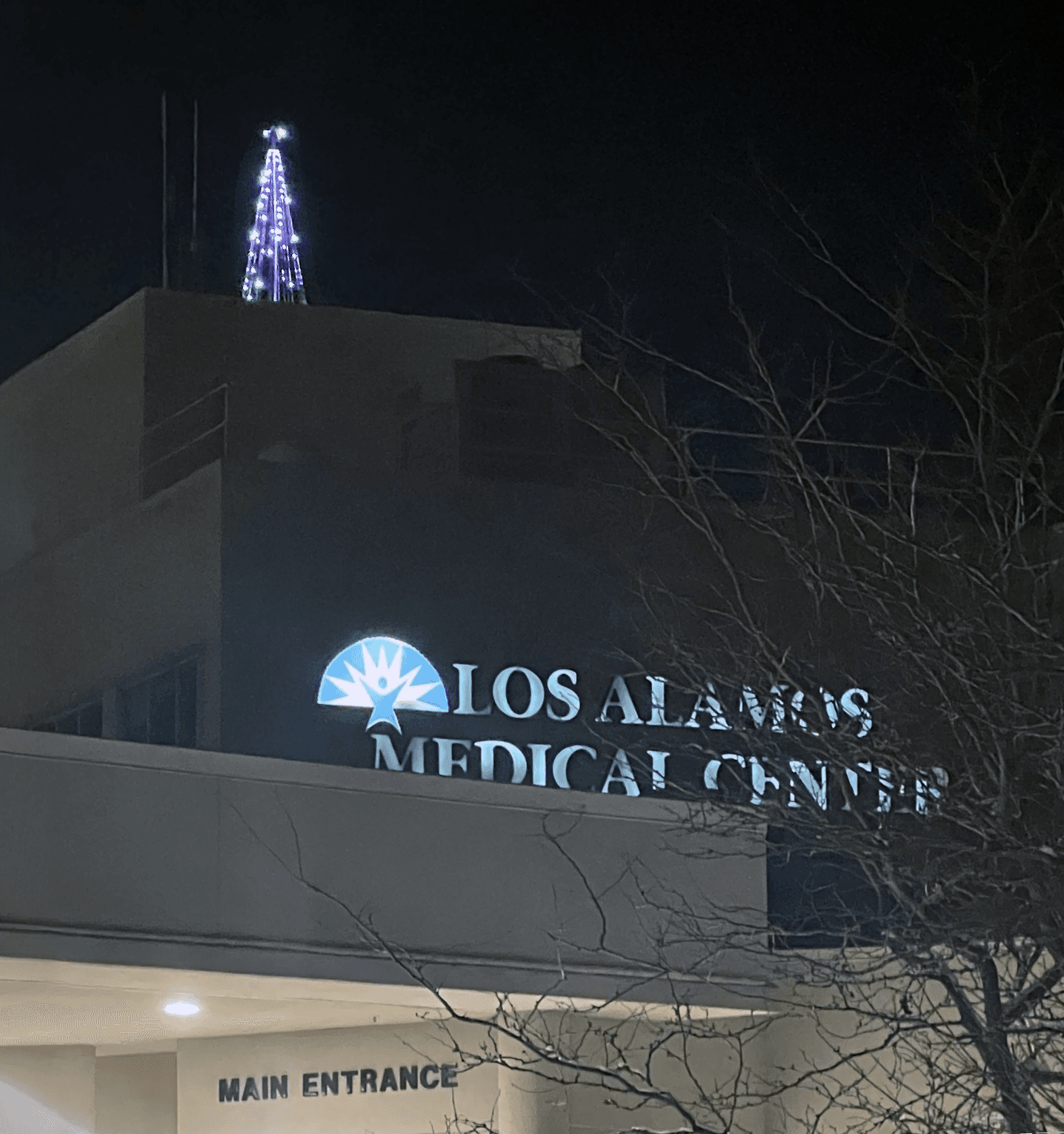
Los Alamos Medical Center brought its rooftop Christmas tree back to the hospital roof on December 5, continuing a local tradition that dates to at least 1980. For decades the illuminated tree has been more than decoration. It has served as a nightly beacon for patients looking out from rooms, for staff finishing long shifts, and for families and neighbors who pass by the campus during the holiday season.
Hospital leaders framed the restoration of the display as a gesture meant to rekindle the spirit of togetherness and comfort that has long defined the Los Alamos community. The tree once again shines over the town, offering a familiar point of continuity for residents who remember the display from years past and for newer neighbors who now include it in their seasonal landscape.
The return of the rooftop tree has public health implications beyond festive cheer. Visible community rituals can support emotional and psychological well being for people facing illness or separation from loved ones. For health care workers, seasonal traditions can bolster morale during one of the busiest and most emotionally demanding times of the year. For the broader county, the illuminated tree contributes to a shared sense of place that can strengthen social ties and informal support networks that matter for resilience.
There are also social equity considerations in simple communal gestures. A publicly visible display requires no admission, travel expense, or technology access, so it reaches households across income levels and circumstances. In a community with diverse needs, low barrier collective experiences such as this can help reduce isolation for older adults, single parents, and people with limited mobility who may not be able to participate in other events.
As the lighted tree continues to be visible through the season, it will serve as a reminder that hospitals play roles beyond clinical care. By maintaining traditions that comfort patients and connect neighbors, health care institutions can contribute to community wellbeing in ways that complement medical services and policy efforts aimed at equity and support.