Runner Completes 330 Mile Long Walk Retrace to Honor Ancestors
Edison Eskeets of Springstead completed a multidecade effort retracing the 330 mile Long Walk route on December 4, 2025, capping decades of runs and ceremonies to honor those who endured the forced march. The effort deepens local remembrance and carries implications for cultural preservation, education, and modest heritage tourism opportunities in McKinley County.

Edison Eskeets of Springstead finished a multidecade project on December 4, 2025, retracing the 330 mile route of the Long Walk to honor Navajo ancestors who were forced to march to Bosque Redondo in the 1860s. Eskeets has staged runs and ceremonial acts over many years, including a solo run in 2018 from Chinle to Santa Fe that he completed in 15 days. The completion of the route is framed by Eskeets and community participants as an act of remembrance and ceremony for those who never returned.
The achievement places a personal ritual into a wider communal context. For McKinley County residents, many of whom live amid the Navajo Nation and other Indigenous communities, the retracing underscores an ongoing cultural responsibility to keep the history of displacement and resilience visible. Public acts of remembrance like Eskeets' runs create focal points for intergenerational memory and offer concrete moments for school lessons, tribal gatherings, and local commemorations.
There are pragmatic local consequences as well. Events that highlight historical routes and ceremonial walks can increase interest in heritage tourism, bringing modest gains to local businesses that serve visitors and family members attending remembrance activities. That potential, however, requires coordinated support. Investment in signage, trail maintenance, and educational programming would help transform episodic events into sustainable local assets while respecting cultural sensitivities around sacred sites and storytelling.
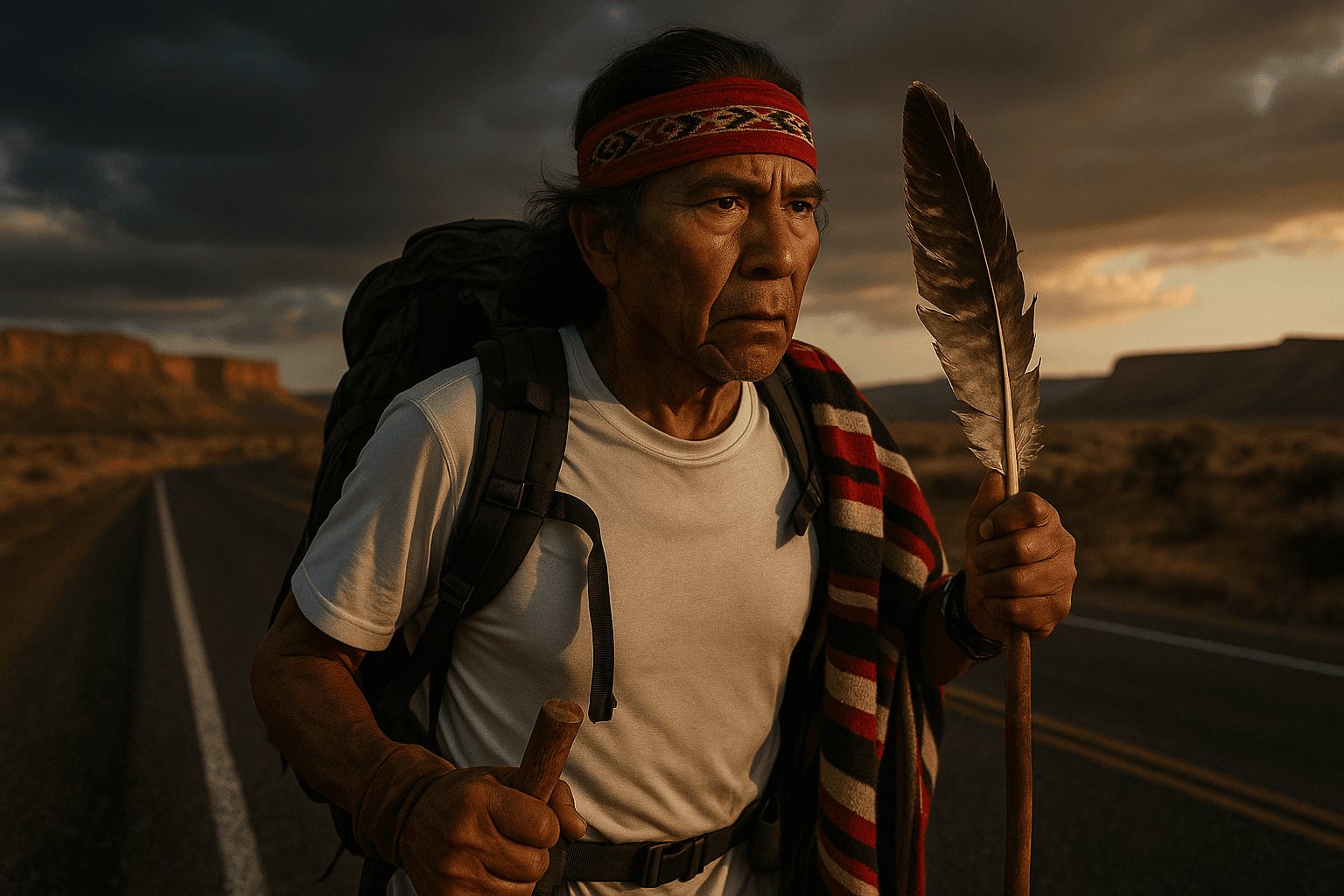
Policy choices by county and tribal leaders will shape whether this kind of cultural labor translates into longer term benefits. Supporting classroom materials about the Long Walk, funding community led markers, and partnering with tribal cultural departments would reinforce the educational and healing dimensions of Eskeets' work. Careful stewardship will be necessary to ensure any tourism interest does not commodify or distort the story at the heart of the run.
Eskeets' completion of the 330 mile retrace is both a personal milestone and a communal prompt. It highlights how individual acts of remembrance can catalyze local dialogue about history, memory, and economic opportunity, and how county level policy and community investment can sustain that conversation over the long term.