Rural Action offers free agroforestry site visits to Appalachian Ohio landowners
Rural Action began offering free site visits and technical assistance to landowners across 44 Appalachian Ohio counties to support agroforestry and stream restoration. The program helps farmers and property owners improve habitat, water quality, and access cost-share funding such as EQIP.
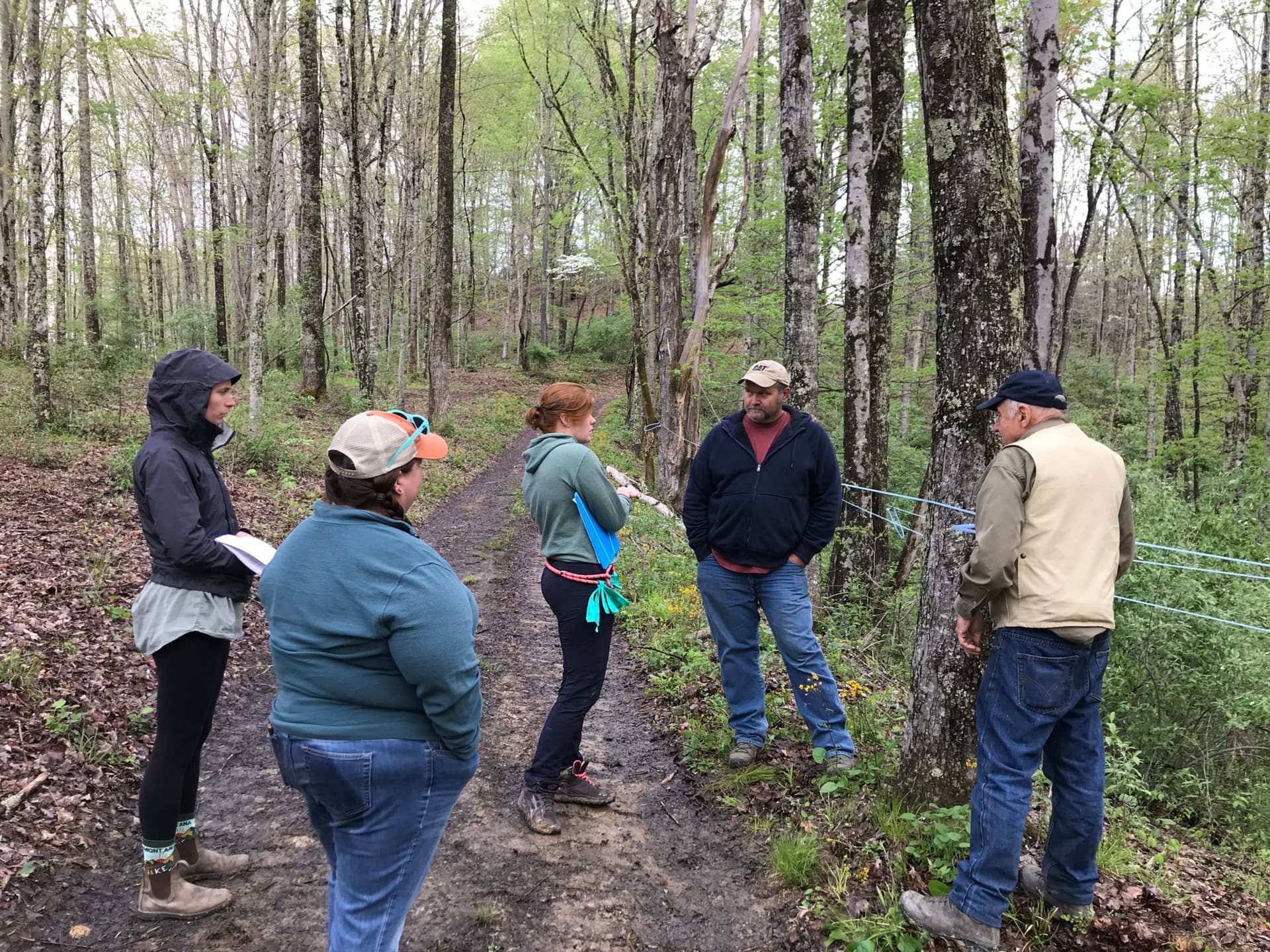
Rural Action announced on January 5 that it is providing free site visits and technical assistance to landowners across 44 Appalachian Ohio counties, including Adams County, to plan agroforestry and aquatic habitat projects. The initiative pairs Rural Action’s Sustainable Forestry and Watersheds staff with specialists from the USDA Natural Resources Conservation Service and the U.S. Forest Service to advise on practical conservation practices.
During a site visit staff assess landowner goals and constraints, propose implementable opportunities, and point property owners toward cost-share and funding programs such as the Environmental Quality Incentives Program (EQIP). The scope of technical assistance runs from reforestation, forest farming, and silvopasture to invasive species management and streambank and floodplain reforestation. The stated aim is to improve wildlife habitat and water quality while supporting productive land uses across Appalachian Ohio communities.
For Adams County landowners, the program addresses several ongoing local concerns: shrinking margins for small farms, stream erosion that carries sediment into local waterways, and the need to diversify income streams on family properties. Agroforestry practices such as silvopasture and forest farming can generate new revenue through timber, nuts, specialty crops, and livestock integration while also reducing runoff and stabilizing banks. By linking technical planning to federal cost-share programs, Rural Action’s assistance lowers the upfront financial barriers that often prevent landowners from moving projects from idea to field implementation.
The partnership with USDA/NRCS and the U.S. Forest Service aligns local conservation efforts with federal funding and standards, improving the likelihood that plans are eligible for EQIP and other programs. That coordination matters in a rural economy where public conservation dollars are a key lever: technical assistance can translate into grant applications, cost-share contracts, and multi-year management plans that make projects bankable and manageable for small landowners.
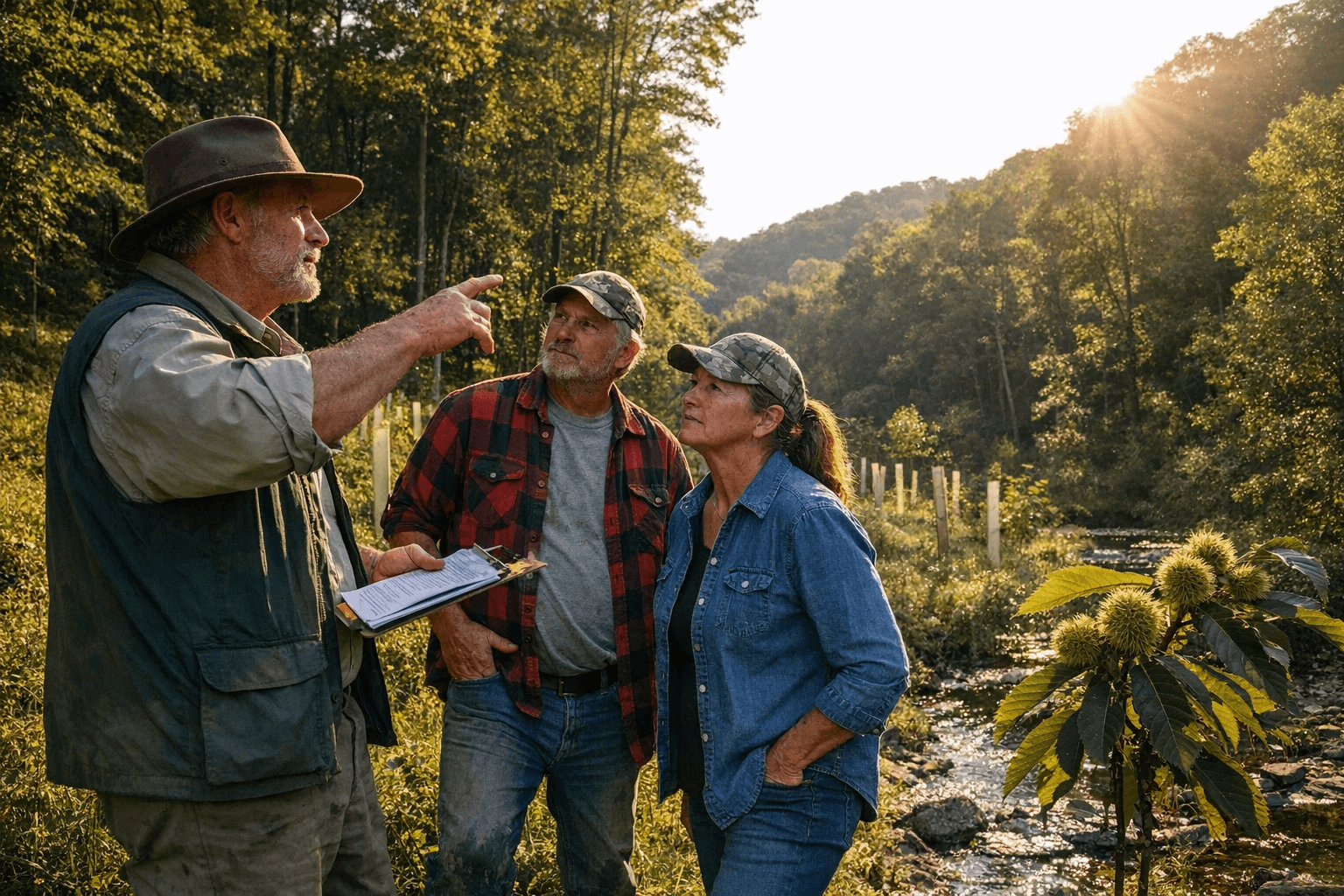
Longer term, the program fits broader trends toward climate-adaptive land use and marketable ecosystem services in Appalachia. Reforestation and floodplain restoration reduce long-term maintenance costs, improve biodiversity, and can increase property resilience to extreme weather. For producers, integrating trees and streams into working lands can stabilize income volatility tied to commodity markets.
The takeaway? If you own forested acreage, pasture, or stream frontage in Adams County, a free site visit can help turn erosion and invasive weeds into an opportunity for habitat improvement and diversified income. Think of it as putting local know-how and federal funding options to work on your land — start by reaching out to Rural Action to schedule an assessment and explore whether EQIP or other cost-share programs fit your plan. Our two cents? Act now while planning season is fresh — strategic plantings and bank work pay dividends over years, not months.
Sources:
Know something we missed? Have a correction or additional information?
Submit a Tip