San Diego Weighs $30 Million Settlement Over Teen Shooting, Sparking Fiscal and Policy Stakes
San Diego city officials added a resolution to the City Council agenda proposing a $30 million settlement to the family of 16-year-old Konoa Wilson, who was fatally shot by a police officer in January 2025. If approved, the payment would rank among the largest municipal settlements for an on-duty police death in U.S. history, raising legal, fiscal and political questions for the city while criminal and administrative reviews continue.

San Diego officials on December 6 placed a resolution on the City Council agenda proposing a $30 million settlement to resolve civil claims by the family of 16-year-old Konoa Wilson, who was shot and killed by a San Diego police officer in January 2025 while running. The City Attorney’s office said the proposal is framed as a civil resolution, even as separate criminal and department review processes remain under way.
The proposed payout, if approved by the council, would exceed the $27 million Minneapolis paid the family of George Floyd and would be among the largest municipal settlements tied to a police-involved death in the United States. The size of the offer signals the city’s assessment of potential liability and the political pressure surrounding the case. Family attorneys described the killing as a "catastrophic failure of policing."
The underlying facts reported about the incident have been the subject of public scrutiny and have prompted multiple official inquiries. City officials have not disclosed the full terms of the proposed resolution or how the payment would be financed. Municipal settlements of this magnitude typically trigger questions about insurance coverage, budget offsets and whether payments will be drawn from general funds, special reserves or a mix of funding sources. Those decisions carry implications for other city priorities from infrastructure to social services.
Placing the resolution on the council calendar positions elected officials to decide whether to accept a civil settlement while criminal prosecutors and an internal police review continue their work. That dual track is common in high-profile use of force cases, reflecting the separate standards and goals of criminal prosecutions and civil redress. Approval would close the city’s civil exposure to the family’s claims but would not determine the outcome of any criminal case or departmental discipline.
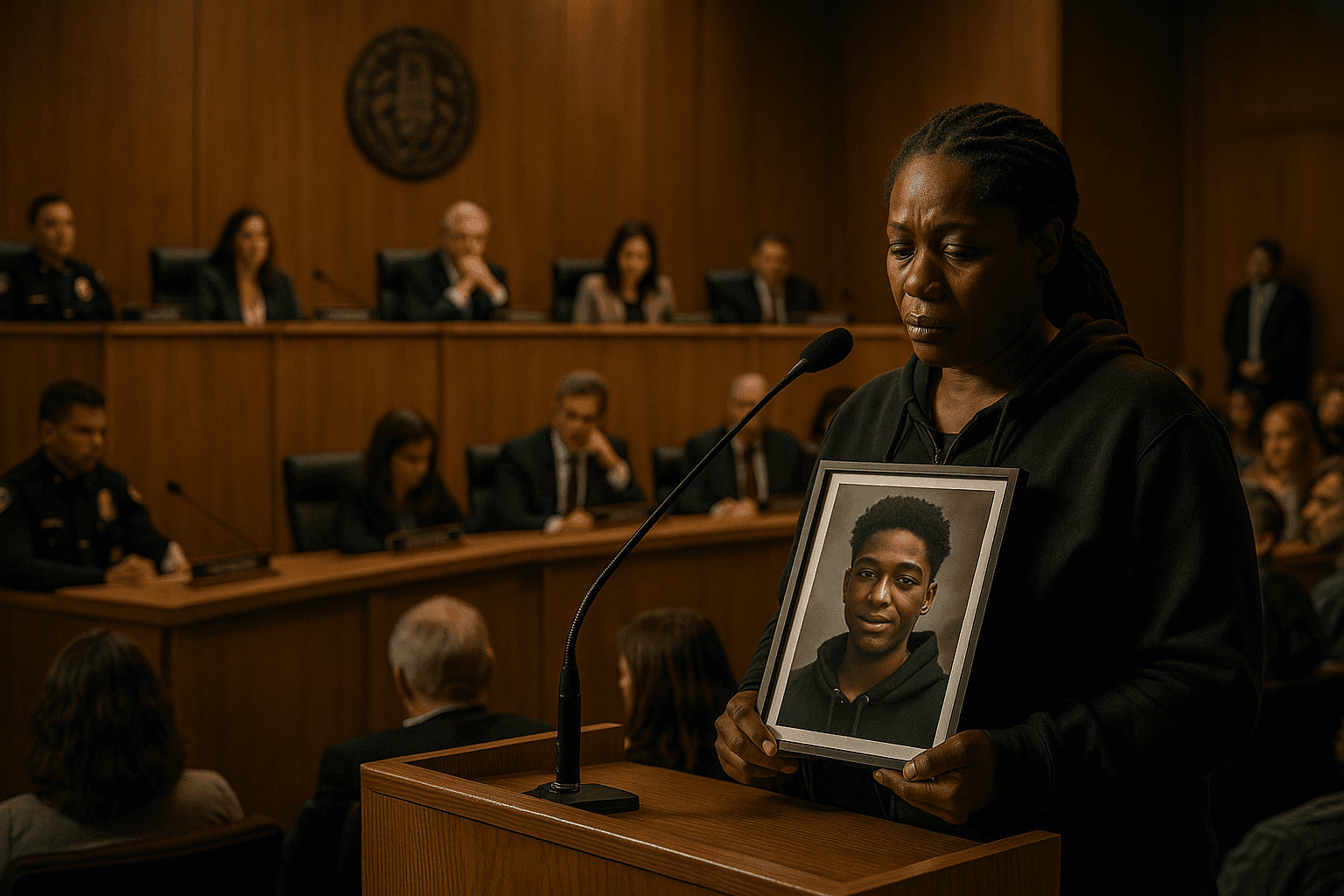
Beyond the immediate legal resolution, the proposal crystallizes broader policy debates about policing, accountability and municipal finance. Large settlements create incentives for cities to weigh early resolution against the risks and costs of protracted litigation. They also shape municipal risk management, potentially affecting how cities structure indemnity, adjust liability budgets and negotiate insurance coverage for police actions.
For the Wilson family, the monetary figure is part of a broader push for accountability and systemic change. For city leaders, the decision will require balancing the legal calculus against political and fiscal consequences with an eye toward precedent. Across the country, municipal officials are watching such cases for how they influence policing practices, community trust and the growing fiscal costs associated with police use of force.
The San Diego City Council is scheduled to consider the resolution following its placement on the agenda, with the outcome likely to reverberate beyond the city as similar cases continue to shape national discussions about liability, reform and the price of police accountability.