San Felipe Springs Remains Crucial Water Source and Local Heritage
San Felipe Springs continues to supply Del Rio municipal water, sustain parks and riparian habitat, and anchor the county historical landscape, even as regional hydrology and the Amistad Reservoir have altered spring flows. The springs matter to residents for water security, local agriculture, recreation, and preservation of sites that shaped Val Verde County since the nineteenth century.
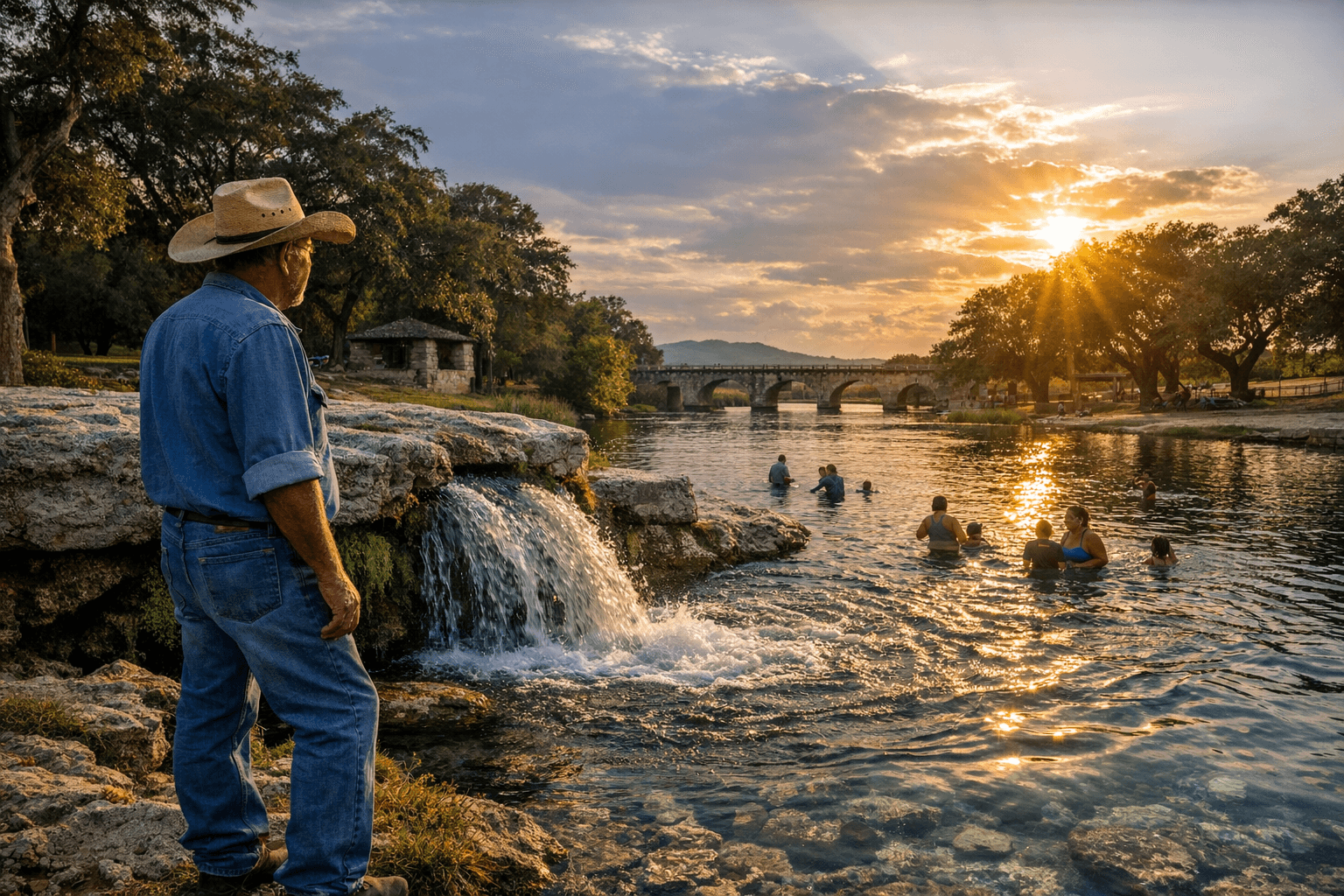
San Felipe Springs, a group of natural artesian springs on San Felipe Creek northeast of downtown Del Rio, remains the principal natural water source shaping settlement and agriculture across Val Verde County. Historically capable of producing tens of thousands of gallons per minute, the springs powered early irrigation works and helped establish the San Felipe Agricultural, Manufacturing and Irrigation Company, the private enterprise that played a central role in founding San Felipe del Rio, later Del Rio, in the nineteenth century.
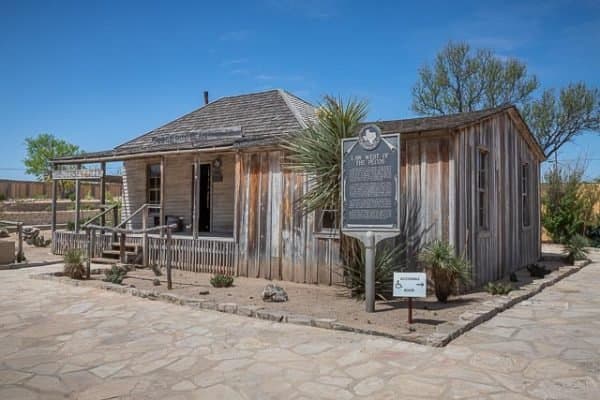
The springs have long provided municipal water for the city of Del Rio, while sustaining local parks, walking trails and riparian habitats along San Felipe Creek. Historic markers and a succession of parks document the springs cultural, military and settlement history, including links to early Spanish exploration and the frontier military post known as Camp Del Rio. Canal based agriculture from the same era shaped the valley economy and settlement patterns that persist today.
Contemporary management of the springs reflects layered institutional responsibilities. Impoundment of the Amistad Reservoir and regional hydrology have influenced spring flows, producing new challenges for municipal water supply, habitat conservation and recreational access. Those changes underline the need for coordinated planning between local government, county agencies and the entities overseeing the reservoir and broader watershed. For Del Rio residents the stakes are practical and immediate. Water allocation decisions affect municipal service reliability, agricultural viability in rural parts of the county, the health of riparian ecosystems and the usability of parks and trails that attract residents and visitors.
Policy implications extend to land use planning, infrastructure investment and heritage preservation. Maintaining the springs functions will require transparent data on flows, sustained investment in distribution and treatment systems, and conservation strategies that protect riparian corridors. Institutional accountability will be essential as hydrology evolves and competing demands grow. Local elected officials and county managers will need to align zoning, agricultural support and park stewardship with long term water planning.
Civic engagement matters. Voters and community groups can influence budget priorities, conservation measures and intergovernmental agreements that determine how the springs and connected assets are managed. Preserving San Felipe Springs as both a living water source and a cultural landscape calls for public oversight, clear reporting on water conditions and a collaborative approach that balances municipal needs, environmental health and historical preservation for all of Val Verde County.
Sources:
Know something we missed? Have a correction or additional information?
Submit a Tip