San Francisco MLK Day events, marches, volunteer opportunities and transit
Find where to march, volunteer, attend concerts and family museum programs, and how to get there. Learn practical safety, accessibility and advocacy tips for MLK Day in SF.
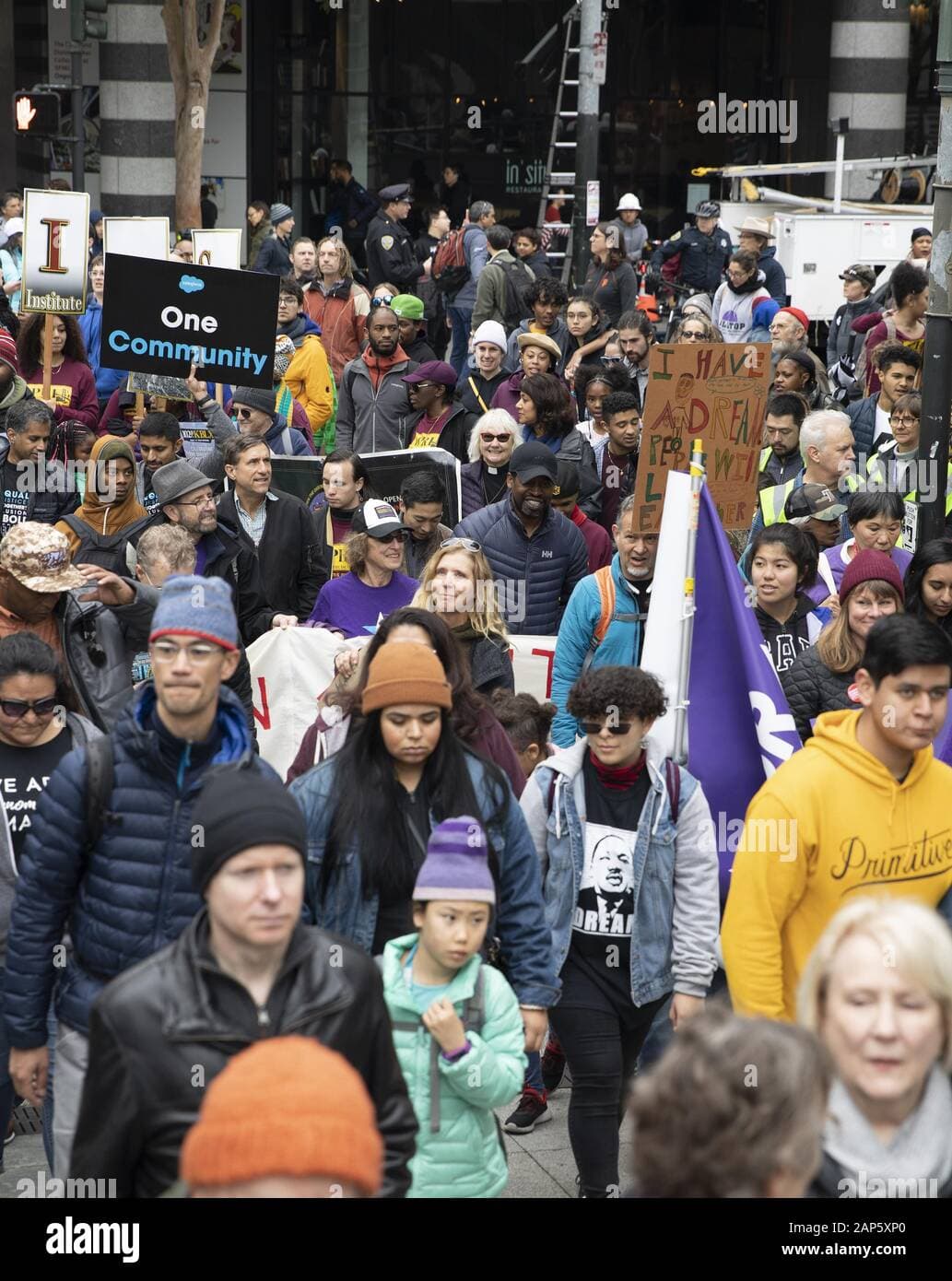
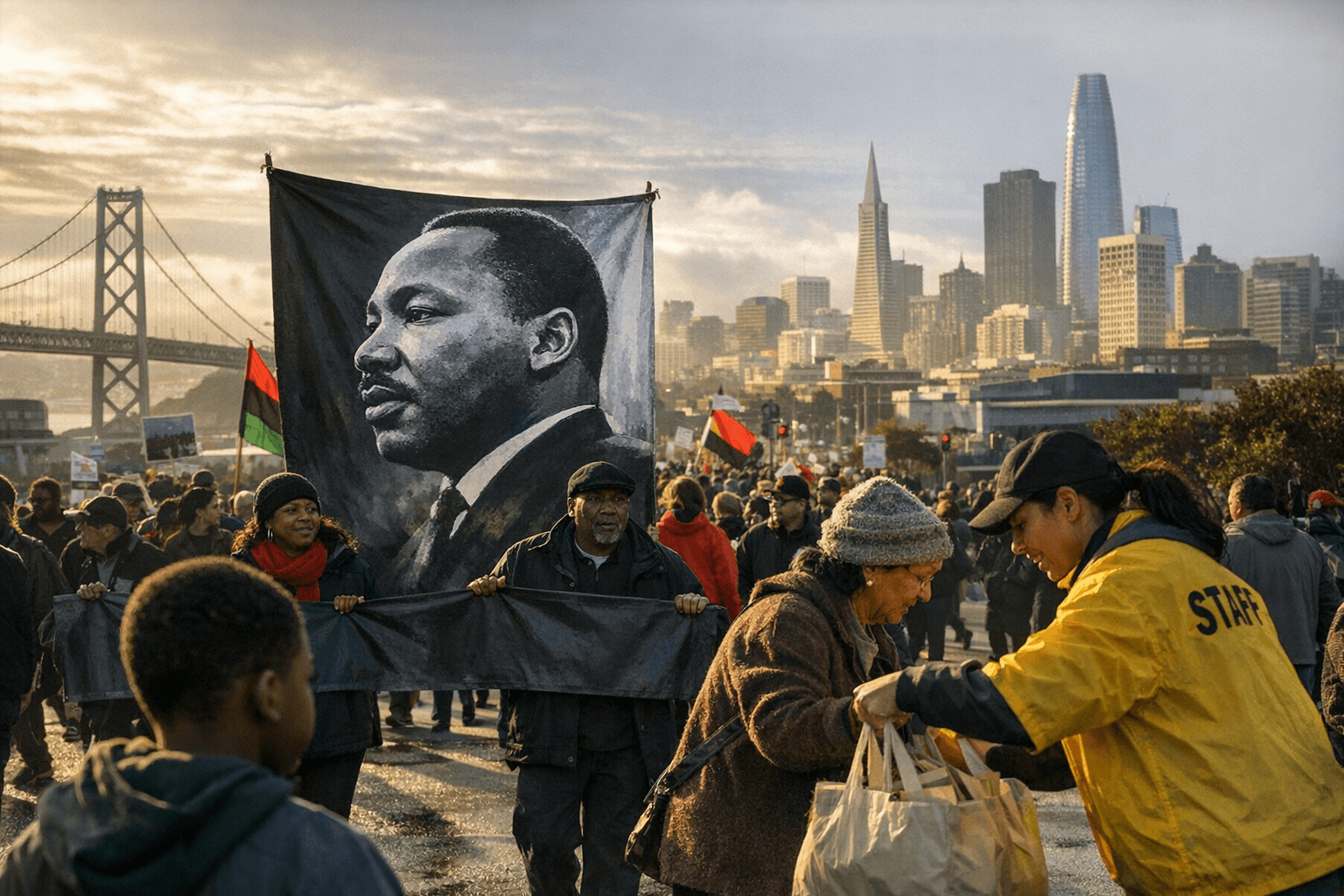
1. MLK Freedom March in San Francisco from Caltrain to Yerba Buena Gardens The city’s marquee procession gathers people along a visible route from the Caltrain station to Yerba Buena Gardens, turning transit hubs into civic space.
That march is both a commemorative parade and a living civic ritual that centers community voices, intergenerational participation and public witness around issues King championed. Local impact: it concentrates foot traffic in downtown neighborhoods, so expect packed sidewalks, amplified street life for small businesses, and increased need for crowd-management, first-aid and public-health coordination.
2. Other parades and major marches across the Bay Area Beyond San Francisco, towns across the Bay Area hold their own marches and parades, each shaped by neighborhood histories and current concerns.
These events expand access for residents who can’t travel downtown and create local moments of civic education and solidarity. Public-health planning at each site—sanitation, site-specific emergency access and communication in multiple languages—matters for safe participation across diverse communities.
3. Golden Gate Parks Conservancy volunteer park cleanups The Golden Gate Parks Conservancy is coordinating park cleanups that offer hands-on stewardship in neighborhood green spaces, which both beautify and reduce environmental health hazards.
Volunteers often help remove litter, clear drainage, and restore native plantings—work that improves air and water quality and supports mental health through civic engagement. Registration links and organizer contacts are provided through the Conservancy’s event pages so neighbors can sign up and get materials, training and site directions.
4. NorcalMLK Foundation community service projects The NorcalMLK Foundation is running community service projects that range from food distribution to mentorship and neighborhood repairs, designed to channel volunteer energy into sustained community benefits.
These projects deliberately target resource gaps in under-resourced neighborhoods, bringing attention to long-term equity needs beyond a single day. Check the foundation’s registration pages or contact their organizers for shift details, volunteer requirements and language-access options.
5. Concerts honoring civil rights and local artists Concert programming on MLK Day includes concerts that blend tributes with performances by Bay Area musicians, choirs and youth ensembles.
These events create cultural spaces for remembrance and healing and are often entry points for intergenerational conversations about history and civic responsibility. For audiences, concerts offer accessible ways to participate beyond marches or volunteerism while supporting local artists and community arts organizations.
6. Film screenings that prompt dialogue Community film screenings—features, shorts and documentaries that focus on civil rights, local Black history and contemporary social justice issues—are scheduled across civic and cultural venues.
Screenings are often paired with Q&A sessions or facilitated discussions to translate cinematic narratives into civic learning and action. These programs can be low-barrier educational tools for families, schools and community groups looking to deepen their understanding of King’s legacy in local contexts.
7. Panel discussions and civic forums Panels and talks bring together organizers, historians, educators and policymakers to discuss housing, policing, education and the policy legacies that intersect with King’s work.
These forums are opportunities to connect grassroots experience with policy levers—useful for residents who want to turn commemoration into civic advocacy. Expect practical takeaways such as contact points for supervisors, upcoming public hearings and volunteer pathways.
8. Interfaith forums and collective care gatherings Interfaith forums convene congregations and spiritual leaders across traditions to center mutual aid, restorative justice and community care in observance of MLK Day.
These gatherings emphasize moral leadership and shared responsibility for public well‑being, often coordinating food drives, healing circles and service projects. For neighborhoods, interfaith partnerships expand networks of support and model collaborative responses to structural challenges.
9. Transit partners offering commemorative or free rides Transit partners are coordinating service notes and, in some cases, commemorative or free rides to make parade participation more accessible; the Freedom March’s connection to Caltrain highlights how transit hubs act as gathering points.
Riders should check transit agency sites for day-of fare information and service advisories; enhanced service and crowding can affect travel times. Reduced-fare or free-ride efforts on MLK Day are a public-equity step that lowers financial barriers to civic participation.
10. Family-friendly museum programming, free admission and special exhibits Many museums and cultural institutions schedule family-friendly programming, free admission days or special exhibits that center African American history and community arts.
These offerings create educational alternatives or complements to outdoor events and provide warm, accessible spaces for children and elders. Families should confirm exhibit schedules and any required reservations in advance, especially for free-admission days that can fill up quickly.
11. How to register and who to contact for volunteer opportunities Registration links and contact information for volunteer shifts are provided by event organizers; primary entry points include the Golden Gate Parks Conservancy and the NorcalMLK Foundation event pages.
If you need language assistance, accessibility accommodations or details about supplies and arrival times, the organizer contact lines listed on those pages are the best first step. Registering ahead helps organizers plan PPE, tools, first-aid and translation resources for safer, more inclusive events.
12. Public health and safety tips for attendees Plan for cold weather and crowd conditions: bring water, layered clothing, any necessary medications, and a small first-aid kit if possible; stay home if you’re sick to protect others.
Consider vaccination updates for respiratory viruses, use masks in crowded or poorly ventilated spaces if you or household members are risk‑vulnerable, and know where event medical tents and info booths are located. These measures protect individual health and keep community events resilient and welcoming.
13. Accessibility, language access and equity considerations Ask organizers about ADA access, sensory‑friendly spaces, childcare options and translated materials before you go—events are only equitable if they remove those barriers.
Transportation assistance, childcare stipends and community liaisons can make the difference between symbolic inclusion and real participation for low-income or immigrant neighbors. Pushing for these accommodations publicly is a form of advocacy: equitable events model the structural changes communities need year-round.
14. Turning a day of service into an ongoing civic strategy Use MLK Day as a starting point to plug into ongoing neighborhood work: join local community boards, follow up with organizers about continuing volunteer roles, and bring elected officials into sustained accountability conversations.
Policy wins—on parks funding, transit equity or affordable housing—require persistent civic pressure that starts with the relationships built on days like this. Sustained engagement converts commemoration into measurable improvements in health, safety and opportunity across San Francisco’s neighborhoods.
Our two cents? Participate, protect your health, and bring someone who’s never been—MLK Day is both a celebration and a civic tool. Show up thoughtfully, follow organizers’ guidance, and use the connections you make to keep pushing for the equitable policies and services our neighborhoods need.
Sources:
Know something we missed? Have a correction or additional information?
Submit a Tip