Self Guided Downtown Laramie Walking Tour Highlights History and Business
A recommended self guided walking tour of downtown Laramie maps key historic and cultural sites, public art, parks, and small business corridors to help residents and visitors explore the city center. The route supports local commerce, cultural preservation, and outdoor programming, and resources including maps and hours are maintained by Visit Laramie and the Albany County Historical Society.
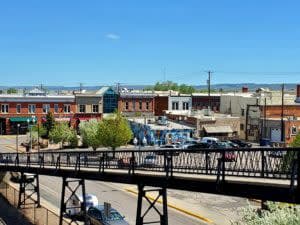
A self guided walking tour of downtown Laramie offers a concentrated way for residents and visitors to engage with the city center's history, art, and small business scene. The route highlights the University of Wyoming gateways and nearby campus context, the historic Ivinson Home and Carnegie Public Library sites, public art installations, Washington Park, and restaurants and storefronts along Grand Avenue. Interpretive markers along the way explain Laramie railroad and frontier history and place individual sites in the broader story of the region.
Downtown is also the locus for frequent public programming that complements the walking experience. Seasonal markets and rotating public art exhibits animate the streetscape, and annual events such as Winter Lights and holiday markets draw additional foot traffic. Those scheduling visits or planning group outings can consult maps, hours, and interpretive details maintained by Visit Laramie and the Albany County Historical Society.
The tour matters locally because pedestrian visits translate directly into economic and civic benefits. Concentrated foot traffic helps small business owners on Grand Avenue and adjacent blocks, and visible cultural resources can increase residents sense of place. Interpretive signage and public art provide informal educational moments that strengthen community knowledge of Laramie stories often overlooked in other forums.
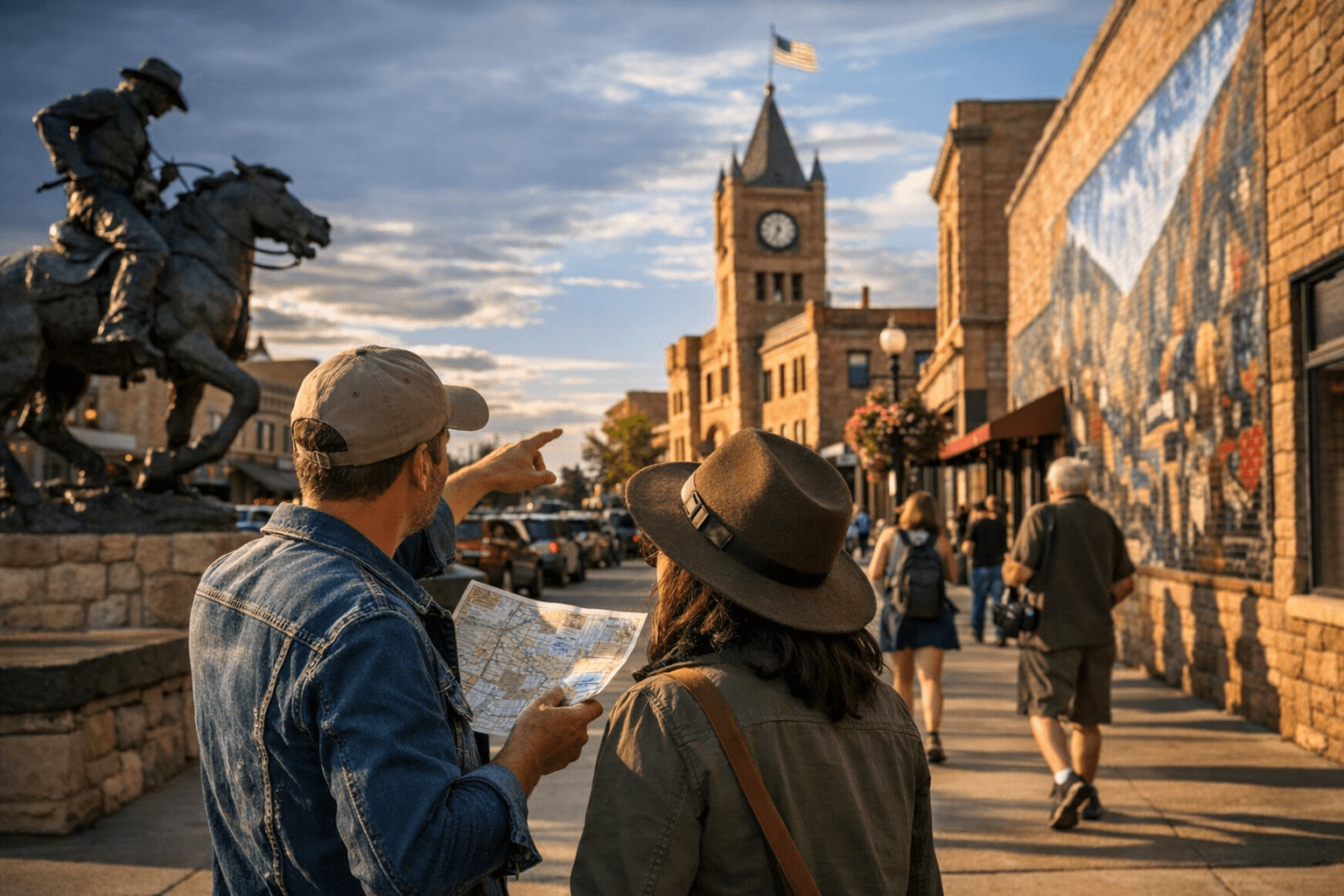
From a policy and governance perspective, the walking route raises practical questions about infrastructure and public investment. Sidewalk maintenance, lighting, wayfinding signage, and park upkeep influence safety and accessibility for older residents and families. Coordination among municipal planners, tourism officials, and nonprofit stewards will determine how well the city leverages cultural assets to support local commerce without displacing long standing community institutions.
For residents seeking to use or support the route, maps and updated site information are available through Visit Laramie and the Albany County Historical Society. Civic participation in festivals, volunteer opportunities with preservation groups, and public comment on downtown planning decisions can help ensure the tour remains a durable community asset that balances heritage, commerce, and public accessibility.
Sources:
Know something we missed? Have a correction or additional information?
Submit a Tip