Selfs Airport Enhancements Boost Emergency Response and Local Development
Selfs Airport, the county owned airfield serving Marks and Quitman County, now has published RNAV GPS instrument approach procedures, improving usability in marginal weather and giving emergency planners a more reliable option for patient transport. The field remains best suited to light general aviation and small business flights because its single asphalt runway measures about 3,346 by 70 feet, which limits larger transports and heavy medical lifts.
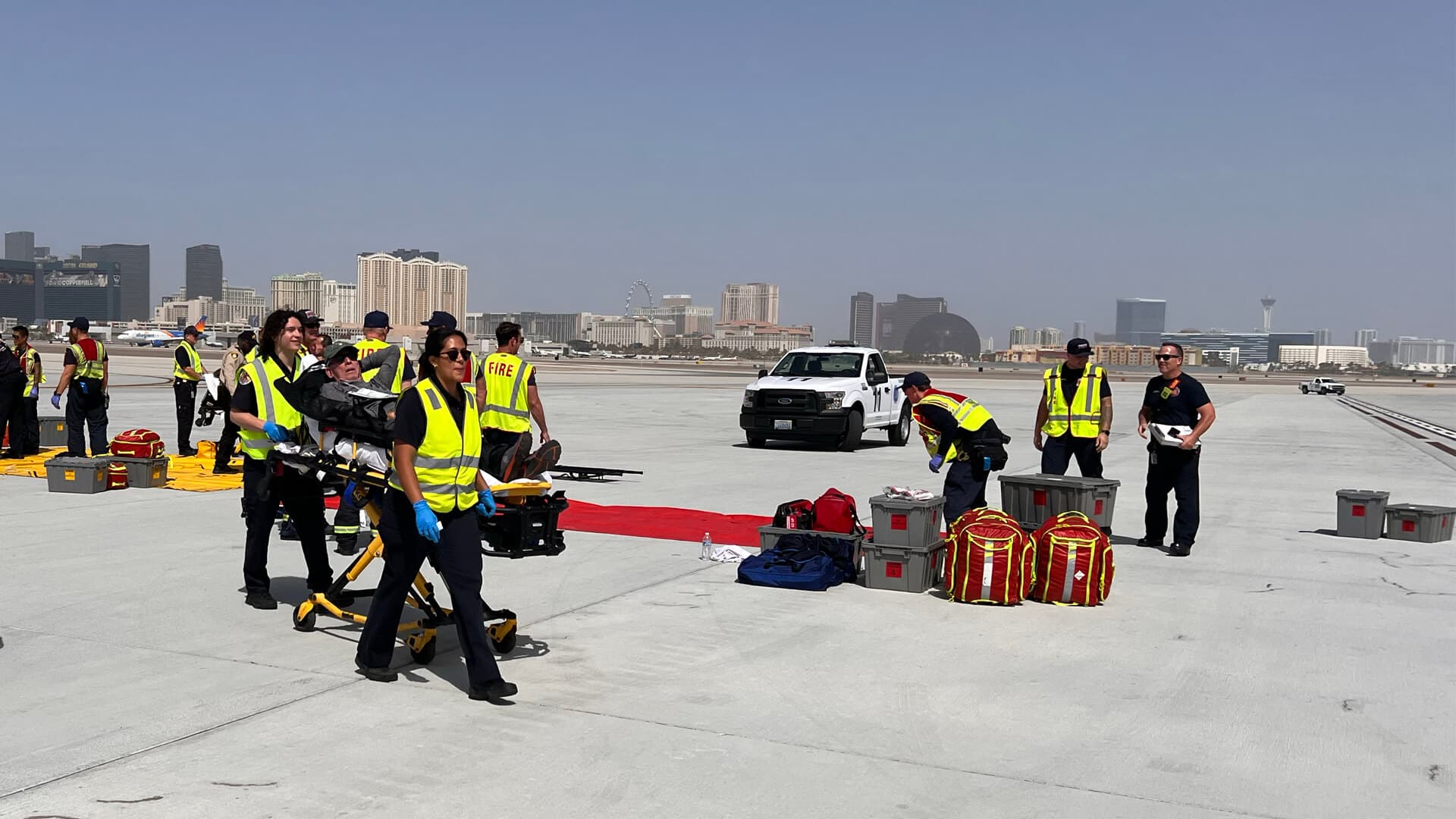
Selfs Airport, FAA identifier MMS, sits roughly two miles southwest of downtown Marks and functions as Quitman County's public use airfield. The single asphalt runway is designated 02/20 and is published at approximately 3,346 feet by 70 feet. Those dimensions mean the field primarily supports light general aviation aircraft and small business flights, while larger fixed wing transports and heavy medical lifts are restricted by runway length.
Recent FAA publications have included RNAV GPS instrument approach procedures for the field, increasing the airport's usability in marginal weather and offering first responders and medevac planners a more reliable operational option when visual conditions are poor. That procedural improvement raises the airport's practical value for patient transport staging, small scale logistics during incidents, and for supporting business connectivity as part of county development strategies.
Local authorities and emergency planners see the procedures as an asset, but the procedural benefits depend on the airfield's pavement condition and safety environment. Routine runway maintenance, clear pavement markings, and investments that align with the published procedures are necessary to realize the new operational potential. Without those investments, the technical availability of instrument approaches will be constrained by surface condition and ground infrastructure.

Practical next steps for county leaders include pursuing state and federal airport improvement funding, formally integrating the airfield into local emergency response planning documents, and maintaining clear communication channels with aviation users about runway condition, fuel availability, and local operating procedures. Keeping pilots and operators informed will be especially important for medevac contingency planning and for businesses that may rely on predictable air links.
For Quitman County residents, the updated procedures represent both an immediate improvement in emergency response options and a prompt for public investment choices that will determine how much the airport contributes to health outcomes, local resilience, and economic development in the years ahead.
Sources:
Know something we missed? Have a correction or additional information?
Submit a Tip