Selma Council Approves First Reading of Ordinance to Curb Pet Overpopulation
The Selma City Council unanimously approved the introduction and first reading of a city ordinance on December 2 aimed at reducing dog and cat overpopulation, advancing rules on sterilization, breeding and penalties. The measure could affect pet owners, hobby breeders and animal welfare services in Fresno County, and a public hearing is set for the council meeting in January 2026.
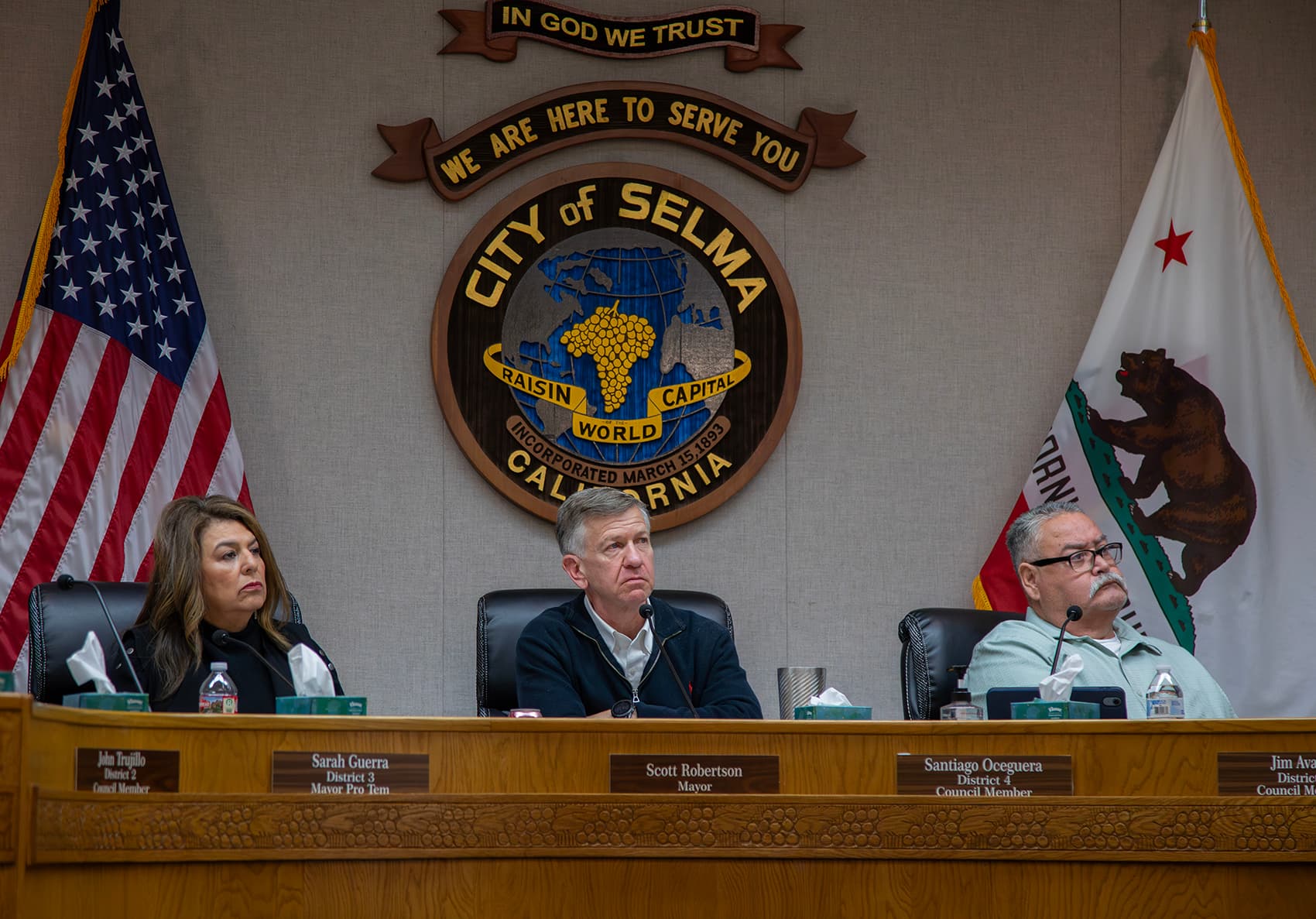
Selma city leaders took a significant step toward tighter control of companion animal breeding when the City Council unanimously approved the introduction and first reading of an ordinance on December 2. The draft requires that all dogs and cats older than four months be spayed or neutered unless an owner obtains an "unaltered" license. Owners of unaltered animals who allow breeding must secure a breeder s permit and a city business license, and offspring from unaltered animals may not be sold or given away.
The ordinance tightens breeder regulations and proposes steep civil penalties for violations. The draft links fines to litter size and includes a $1,000 per animal civil penalty for uncorrected breeder permit violations. City officials described the approach as a "coercion mechanism" intended to make sterilization financially preferable to remaining unaltered. To counteract cost barriers, the city plans to organize low cost spay and neuter clinics for residents.
For Fresno County residents, the proposed rules could reshape how families and small scale breeders manage pets. Pet owners who keep animals unaltered will need to decide whether to seek the special license and comply with breeder rules and business licensing requirements, or to arrange sterilization by the four month threshold. Those who previously rehomed puppies or kittens by sale or gift may face new restrictions under the prohibition on selling or giving away offspring from unaltered animals.
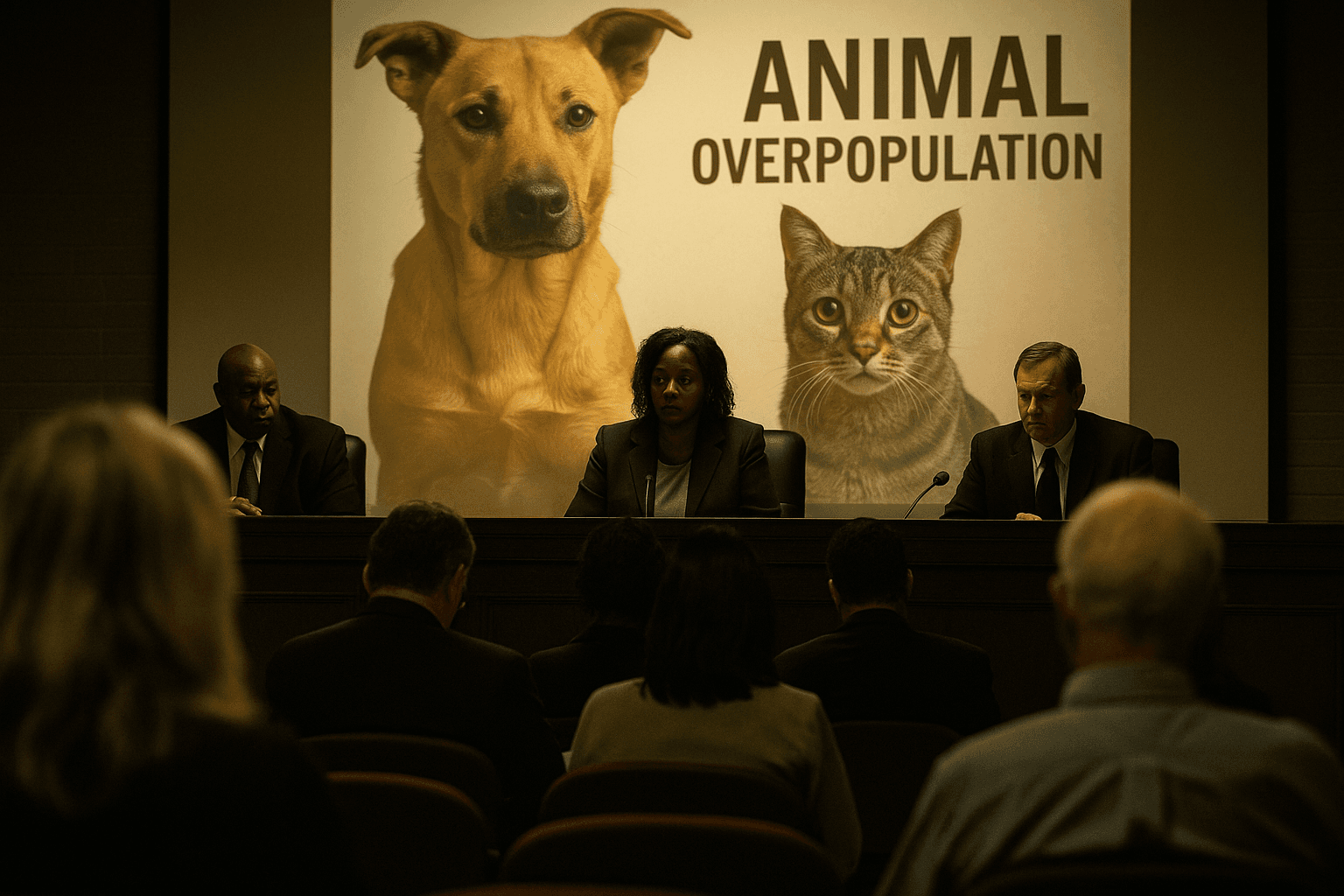
Animal welfare groups and municipal shelters may see effects if the ordinance reduces intake of unwanted litters, but enforcement will place new responsibilities on city staff and could generate disputes over fines and compliance. Legal and commercial implications include questions about regulation of hobby breeders, the intersection of city business licensing and private ownership, and the impact on traditional community practices involving animal care and transfer.
The measure will return for a second reading and a public hearing at the council s first meeting in January 2026. Residents who keep dogs or cats should monitor the council schedule and prepare to review the ordinance before it advances toward final approval.