Seminole County Manages 7,300 Acres and 130 Miles of Trails
Seminole County’s Parks, Trails & Natural Lands department oversees more than 7,300 acres of parks and over 130 miles of paved and wilderness trails, offering a central online resource for trailheads, reservations, boat ramps, and accessibility information. The county’s page and its Seminole Forever land-acquisition and restoration program matter to residents because they shape access to safe outdoor spaces that support physical and mental health, community connection, and environmental resilience across Sanford, Oviedo, Lake Mary and other communities.
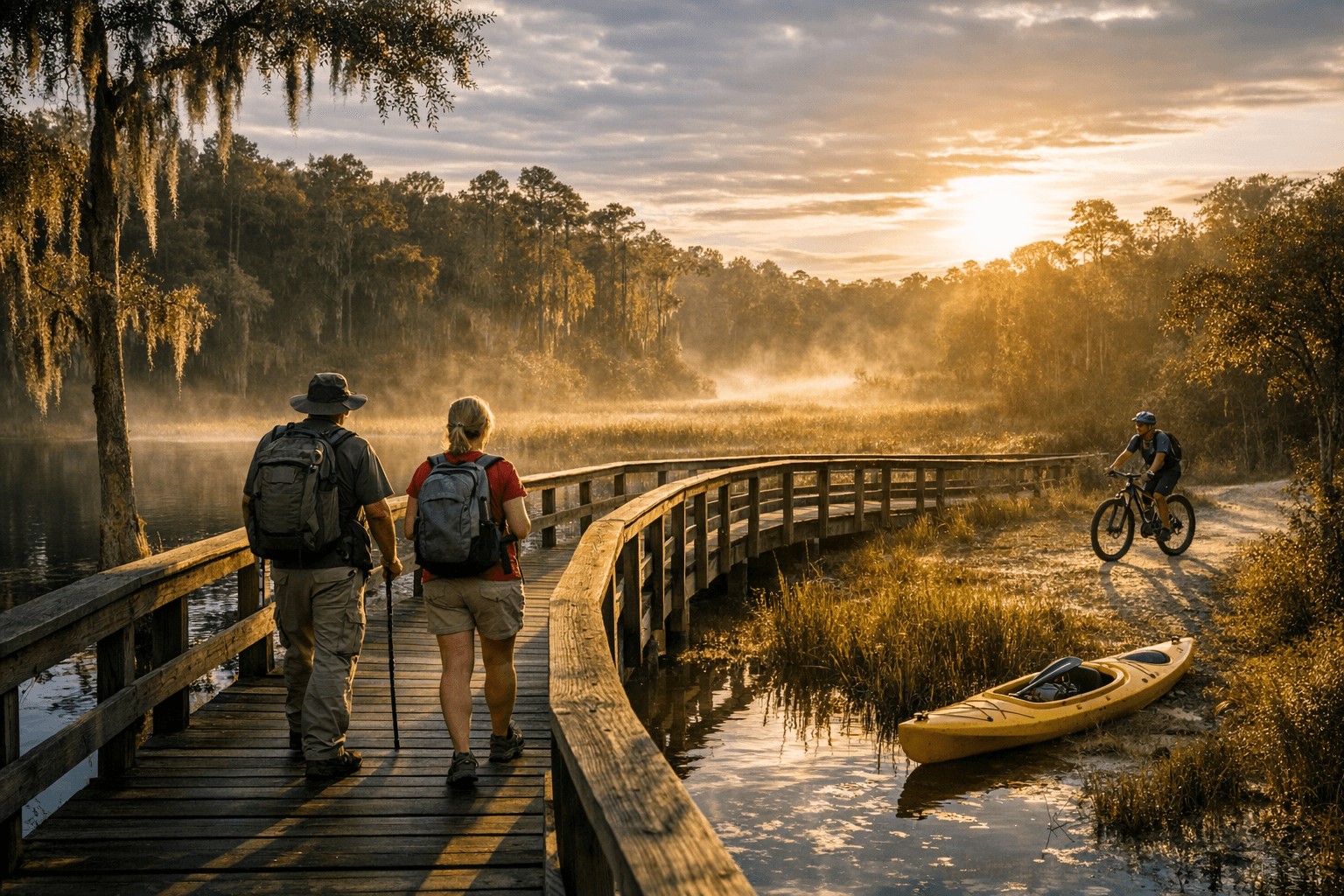
Seminole County maintains a network of parks, trails and natural lands that stretches across the county and serves residents of Sanford, Casselberry, Longwood, Lake Mary, Oviedo, Winter Springs and neighboring communities. The county’s Parks, Trails & Natural Lands department reports management of more than 7,300 acres and over 130 miles of paved and wilderness trails, and its official web page compiles facility listings and services for planning outdoor activity, including trailhead locations, the Cross Seminole Trail, wilderness areas such as the Geneva and Econ River corridors, boat ramps, and links for park reservations and registrations. The page also includes accessibility resources and information about the Seminole Forever land-acquisition and restoration program. The county site is available at seminolecountyfl.gov/parks.
Access to well-maintained parks and trails is a core public health tool. Regular walking, cycling and time in green space reduce chronic disease risk, support mental health, and lower health care costs over time. For Seminole County residents who lack private yards or gym access, public trails and river access points provide essential opportunities for exercise and stress relief. Boat ramps and river areas extend recreational options to low-cost water-based activities that can be safer and healthier alternatives to indoor or costly leisure options.
Yet equitable access is not automatic. How trails connect with neighborhoods, public transit routes, and affordable parking affects who can use these assets. Reservation and registration systems, while useful for planning, can create barriers for seniors, residents without reliable internet, and families juggling work schedules. Preservation and restoration efforts under Seminole Forever protect habitat and open space, which supports flood mitigation and climate resilience that disproportionately benefits neighborhoods with fewer resources.
Local policymakers and health care providers can treat parks as part of a prevention strategy by supporting maintenance funding, improving transit and walking connections to trailheads, expanding multilingual and low-tech outreach about accessibility and reservations, and prioritizing upgrades in underserved neighborhoods. Community-based programming that brings organized walks, youth nature education and inclusive adaptive-access events to county parks can strengthen health equity while building local stewardship of natural lands.
Seminole County’s online park resource consolidates practical information residents need to plan outdoor time, book space and learn about conservation efforts. As the county balances growth and development pressures, maintaining and expanding equitable access to these public lands will shape health outcomes, neighborhood resilience and community cohesion in the years ahead.
Sources:
Know something we missed? Have a correction or additional information?
Submit a Tip