Senate Democrats Seek Three Year Extension of Health Care Subsidies
Senate Democrats said they would force an up or down vote next week to extend Affordable Care Act premium tax credits for three years, seeking to protect subsidies relied on by roughly 24 million people that are due to expire at year end. The move tests fragile Senate arithmetic and exposes a deep divide over whether the extension should be clean or tied to policy changes demanded by Republicans.
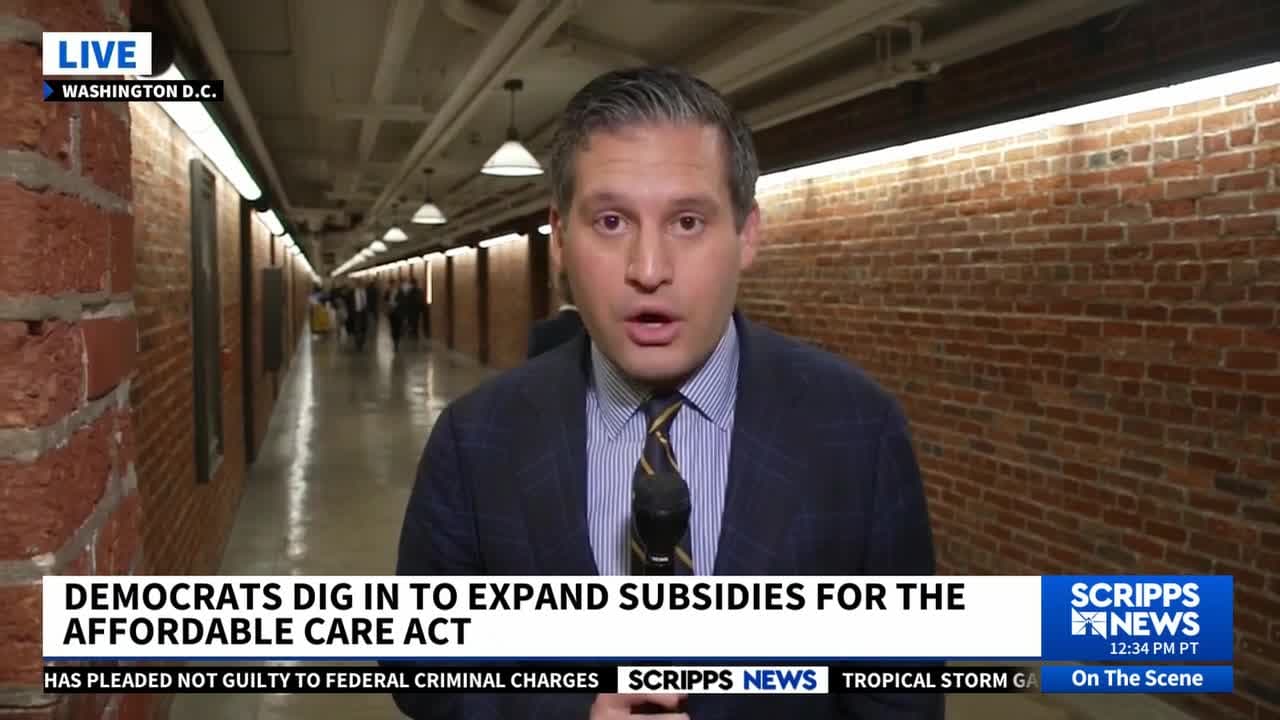
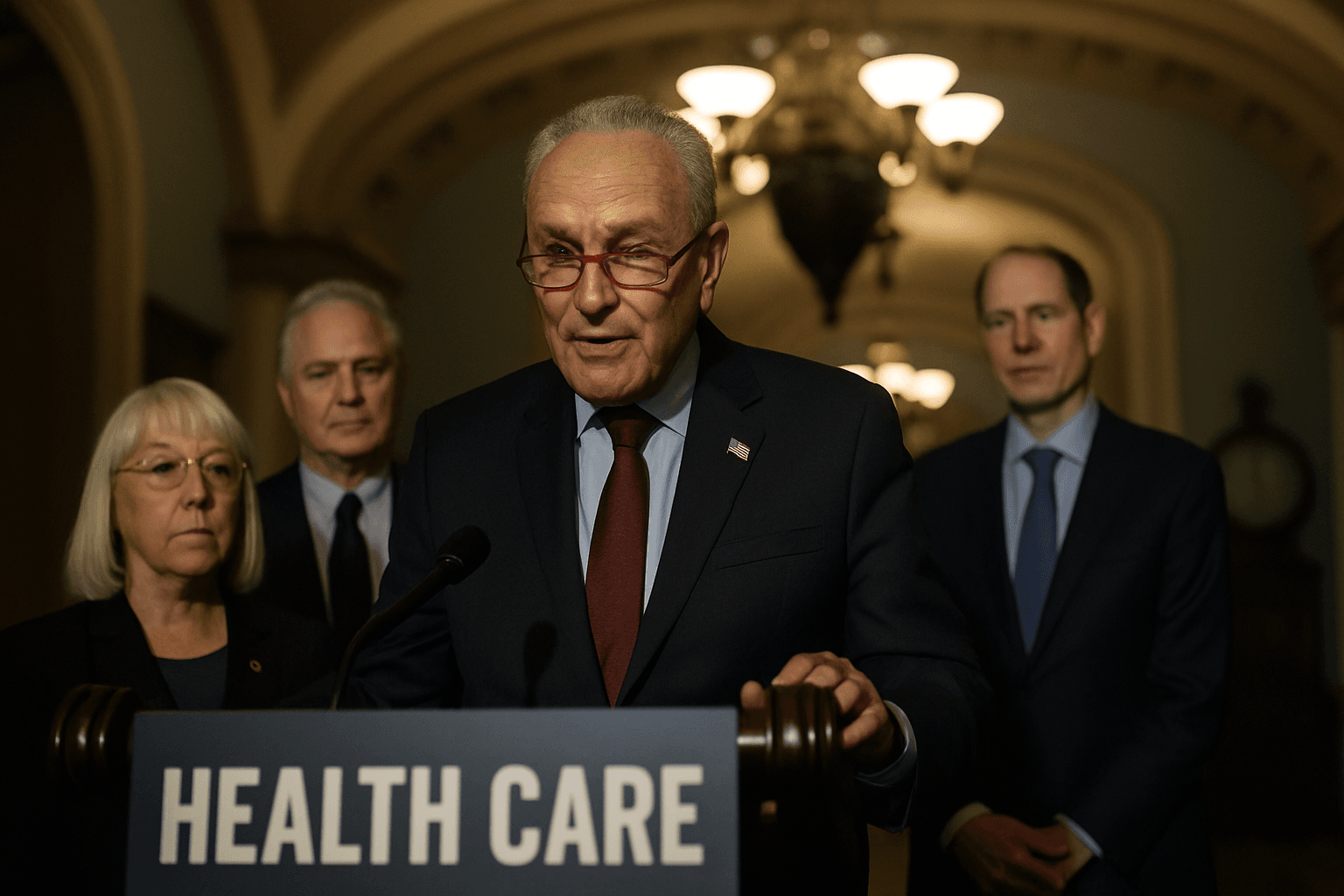
On Dec. 4 Senate Democrats announced plans to force a vote next week on legislation to extend enhanced Affordable Care Act premium tax credits for three years, a bid to avert sharp premium increases for millions of Americans when the current subsidies expire at the end of the year. The effort follows an agreement in the post shutdown negotiations in which Senate Majority Leader John Thune allowed Democrats the opportunity to force a direct up or down vote.
Democrats argue a clean extension is necessary to provide continuity to roughly 24 million people who benefit from the subsidies, which lower monthly premiums for enrollees on the ACA exchanges. They say delaying or attaching policy riders could imperil coverage and trigger broad premium hikes that would ripple across state insurance markets and strain households still recovering from recent economic shocks.
Republicans have resisted a straight extension and proposed changes that include income caps on eligibility and the inclusion of Hyde Amendment provisions, which would restrict the use of federal funds in ways that intersect with reproductive health policy. Those amendments have made a bipartisan agreement more difficult, since the measure faces a high procedural threshold to overcome a filibuster and will likely need at least some Republican votes to reach the 60 vote threshold required to advance in the Senate.
The vote is as much political theater as it is policy, with both parties staking out positions that will shape messaging heading into next year. For Democrats, securing an extension without policy riders would be a substantive win for their claims to protect health care for middle and lower income families. For Republicans, pushing for changes creates an opening to seek long term reform while appealing to conservative constituents who favor tighter eligibility limits.
Beyond immediate domestic politics, the outcome carries broader implications. Stability in United States health policy affects investor expectations and can influence global credit markets that are sensitive to fiscal and policy uncertainty. It will also be watched by international observers interested in how the United States balances domestic social policy with partisan negotiation tactics at a time when many governments are under scrutiny for their approaches to health coverage.
If Democrats succeed in forcing a vote, the procedural battle that follows will determine whether a clean extension moves forward or whether the matter is further complicated by amendments and bargaining. In either case the decision will have measurable consequences for insurers, state exchange administrators, and the tens of millions of people for whom premiums and access to care hinge on the availability of these tax credits. With the subsidies set to lapse at the close of the year the clock is running for lawmakers to find a politically sustainable path that protects beneficiaries while navigating a sharply divided Senate.