Senators Demand Answers on Drop in Forest Fuels Work
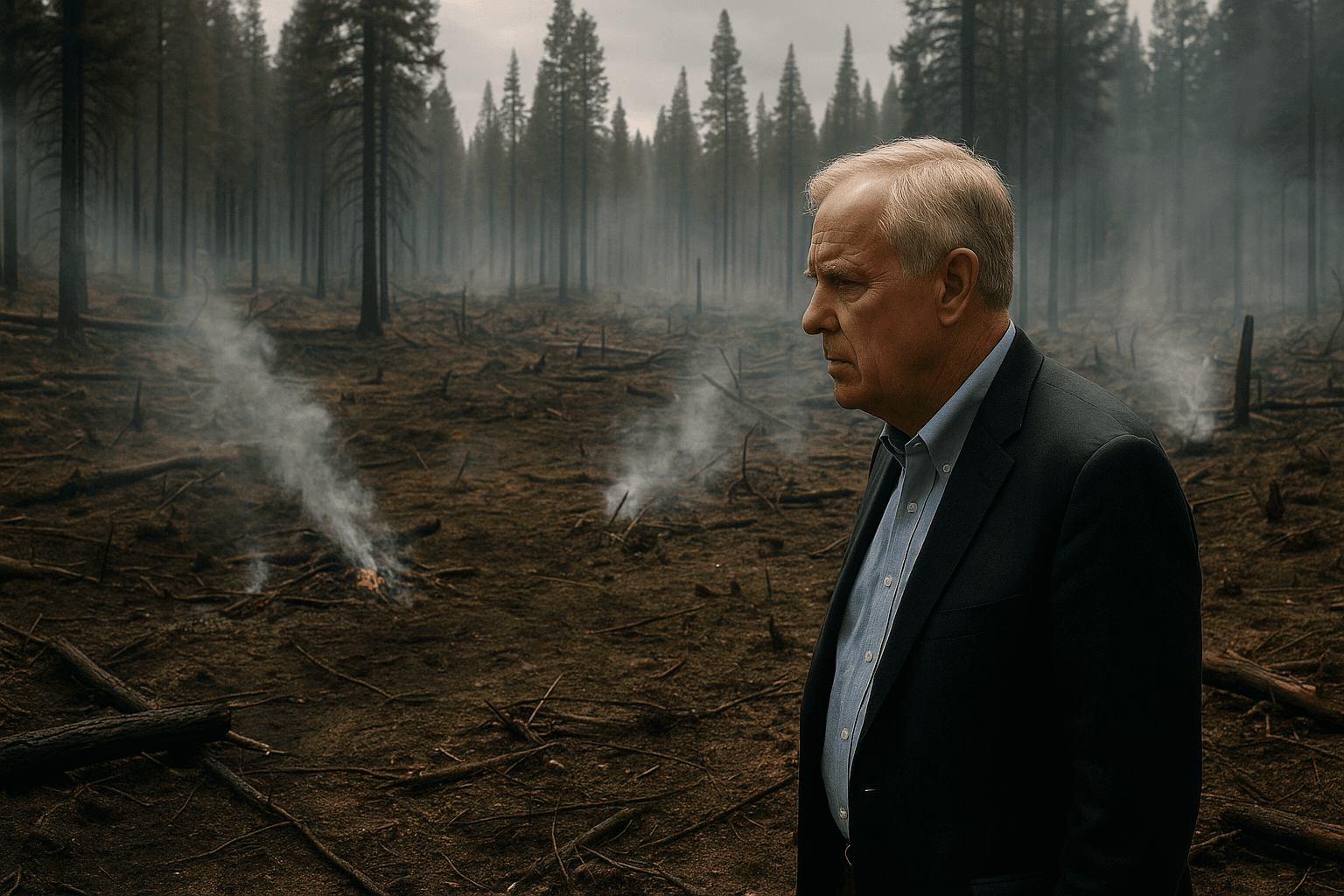
Two Oregon U.S. senators led a bipartisan group of Democrats in pressing the U.S. Forest Service for an explanation after hazardous fuels reduction work on national forests fell sharply during 2025. The decline has direct implications for Baker County and nearby communities because fuels treatments reduce wildfire risk and protect watersheds.

U.S. Senators Jeff Merkley and Ron Wyden joined 10 other Democratic senators on December 2, 2025, in a letter to U.S. Forest Service Chief Thomas Schultz Jr. expressing concern over a substantial reduction in hazardous fuels reduction treatments on national forests during 2025. The senators cited data showing acreage treated in the first nine months of 2025 was about 38 percent below a four year average, and they asked the chief to explain the decline and to outline steps to accelerate hazardous fuels projects.
The letter frames the shortfall as not only a performance issue for a federal agency but a matter of local public safety and resource protection across Eastern Oregon. In Baker County, fuels reduction projects on national forest lands contribute to lowering community exposure to wildfire, maintaining access for firefighters, and protecting headwaters that supply downstream ranches and municipal systems. A sustained drop in treated acreage could increase the scale and severity of future fires and raise restoration costs.
Senator Merkley serves as the ranking member on the Interior Environment appropriations subcommittee, a position that gives him influence over federal funding for forest management programs. The senators asked for an explanation of the causes behind the lower treatment numbers and for concrete actions to speed project delivery. Their inquiry points to potential questions about staffing, contracting, project planning, and agency prioritization, and it underscores congressional oversight of how federal dollars translate into on the ground work.
For Baker County residents and local officials the immediate questions are whether the decline is temporary and whether federal and state partners can scale up treatments before the next fire season. The Forest Service response will be closely watched because it will shape near term program priorities and federal funding discussions in the coming year. If the agency outlines steps to accelerate projects, funding and permitting processes may become focal points for county leaders seeking to protect communities and watersheds.